



Your ambassador program feels fake because you’re accidentally treating ambassadors like employees. I know, I know…you’re not trying to. But look at your onboarding docs, your content calendar, your monthly check-ins. That’s not a partnership. That’s HR with better branding.
Think about it: you’ve got talking points, performance tracking, scheduled posts, and you’re sitting there wondering why everything feels forced. The entire setup mirrors employment rather than advocacy. I’ve watched this happen across industries, and the results are predictably hollow. Real advocacy doesn’t come from contracted obligations or performance metrics that measure output instead of impact. It emerges when someone connects with what you’re building and chooses to share that connection on their own terms.
TL;DR (Because this got long)
- Your ambassador program feels fake because you’re running it like a part-time job with onboarding docs, performance reviews, content calendars. That’s HR, not advocacy.
- Paying per post = everyone knows it’s transactional. Commission-only = you’ve created a salesperson. Free product only = you’re not serious. Try retainers if you want actual authenticity.
- Stop hiring ambassadors based on follower counts. Audience composition matters more than audience size. 5K engaged followers beats 500K general ones.
- Content calendars kill spontaneity. Scheduled enthusiasm is obvious, and audiences scroll right past it.
- Your metrics are measuring the wrong things. Impressions and engagement rates don’t tell you if anyone actually trusts the recommendation.
- You’re accidentally training ambassadors to optimize for your approval instead of their audience’s trust. The feedback loops are backwards.
- Real partnerships involve ambassadors in strategy, not just content execution. Give them creative autonomy or don’t call it a partnership.
- The best advocacy often happens privately: DMs, conversations, professional referrals. Your trackable metrics miss most of what matters.
- Scale trust, not content volume. Fewer, deeper relationships beat hundreds of surface-level ones.
Basically: stop controlling everything and start trusting the people you supposedly chose because they know their audiences better than you do.
The Structural Flaw: You’re Basically Running a Remote Team (And Everyone Can Tell)
Ambassador programs launch with an organizational chart. Someone gets assigned as program manager. Ambassadors receive onboarding documents. Monthly check-ins get scheduled. Performance gets reviewed quarterly. The whole thing looks remarkably similar to managing a remote team, except everyone pretends it’s something else.
This creates an immediate problem. Audiences can distinguish between someone sharing because they’re excited and someone fulfilling a contractual obligation. The difference shows up in word choice, posting frequency, and the types of conversations that follow. When your brand ambassador’s content reads like they’re checking boxes on a deliverables list, their audience notices before you do.
Understanding what is a brand ambassador starts with recognizing that real advocacy cannot be managed through traditional employment frameworks, as explored in our influencer marketing analysis. The role demands autonomy that employment structures inherently restrict.
The Onboarding Process That Sets the Wrong Tone
Let’s talk about what happens during onboarding, because this is where most programs go off the rails.
You send them brand guidelines. Fine. Content requirements. Okay. Posting schedules. Sure. Then come the approval workflows, the 40-page PDF about approved language, the prohibited topics, the mandatory hashtags, the list of competitors they can’t mention…
By the time you’re done “onboarding” them, you’ve trained them to be junior marketing coordinators. Except they’re not on your payroll, and their audience didn’t follow them to watch them execute your content strategy.
And here’s what kills me: the guidelines keep growing. Every time something goes slightly wrong, you add another rule. The approval process adds another layer. Pretty soon, your ambassadors are asking permission before posting anything because they’ve learned through experience that spontaneity gets them a passive-aggressive email about “brand alignment.”
Congrats. You’ve transformed excited supporters into anxious content producers who spend twenty minutes second-guessing a caption because they’re not sure if “obsessed with” is on the approved adjectives list.
New brand ambassador recruits receive those 40-page guideline documents outlining approved language, prohibited topics, mandatory hashtags, and content approval workflows. They attend orientation calls explaining posting requirements and performance expectations. The message comes through clearly: we’re managing you, not partnering with you.

When Reporting Requirements Replace Real Dialogue
Monthly reports request post counts, engagement rates, and audience growth numbers. Ambassadors compile spreadsheets. Managers review performance against benchmarks. The entire interaction revolves around quantifiable outputs rather than qualitative relationship development.
This reporting structure trains ambassadors to optimize for metrics you’re tracking instead of conversations that matter to their communities. They learn which content types generate the numbers you want to see in reports, even when those aren’t the posts that build interest or drive actual consideration.
I’ve seen brand ambassador programs where the only communication between brands and their advocates happens through automated dashboard notifications and monthly performance reviews. No conversations about product experience. No discussions about audience feedback. Just data extraction disguised as relationship management.
How Hierarchy Kills the Peer-to-Peer Dynamic
Ambassador programs work because they leverage peer influence. Someone’s audience trusts their judgment and values their recommendations. The moment you insert approval layers and management oversight, you’ve disrupted that peer relationship by making it obviously mediated by corporate interests.
Their audience sees the shift. Comments change from real questions to skeptical observations about sponsored content. The brand ambassador occupies an uncomfortable middle space where they’re neither independent voice nor official brand representative, and that ambiguity erodes the trust that made them valuable in the first place.
The hierarchical structure also prevents ambassadors from providing honest feedback. When you’ve established yourself as their manager rather than their partner, they stop telling you about product problems, customer complaints, or competitive threats they’re hearing about. You’ve sacrificed valuable market intelligence for the illusion of control.
|
Traditional Employment Structure |
Ambassador Program Structure |
Audience Perception Impact |
|---|---|---|
|
Job description with deliverables |
Content requirements and posting quotas |
Recognizes transactional relationship |
|
Performance reviews and KPIs |
Monthly metrics reports and benchmarks |
Sees optimization for numbers over authenticity |
|
Manager approval for decisions |
Brand approval for all content |
Notices lack of real autonomy |
|
Hierarchical reporting chain |
Program manager oversight |
Identifies corporate mediation in recommendations |
|
Standardized training materials |
Brand guidelines and templates |
Detects templated, non-personal communication |
|
Quarterly evaluations |
Performance-based program continuation |
Observes pressure-driven promotional content |
Compensation Models That Destroy Credibility Before Launch
Payment structures reveal program intent. Pay someone per post and you’ve announced that their endorsement is transactional. Structure everything around commission and their audience knows they’re watching a sales pitch. Send only free products and you’ve communicated that their influence isn’t worth actual investment.
Brand ambassadorship suffers most when compensation models prioritize measurable outputs over relationship quality. The payment structure you choose broadcasts your values before any content gets created.
The Pay-Per-Post Problem
Paying per post creates an obvious incentive structure. Ambassadors maximize income by posting frequently, regardless of whether they have something meaningful to say. Their audience watches the posting pattern shift from occasional enthusiasm to regular promotional content that follows a predictable schedule.
Quality deteriorates because compensation doesn’t reward depth or thoughtfulness. A quick Instagram story generates the same payment as a detailed blog post that required research and personal testing. Ambassadors learn to optimize for volume, and their content reflects that priority.
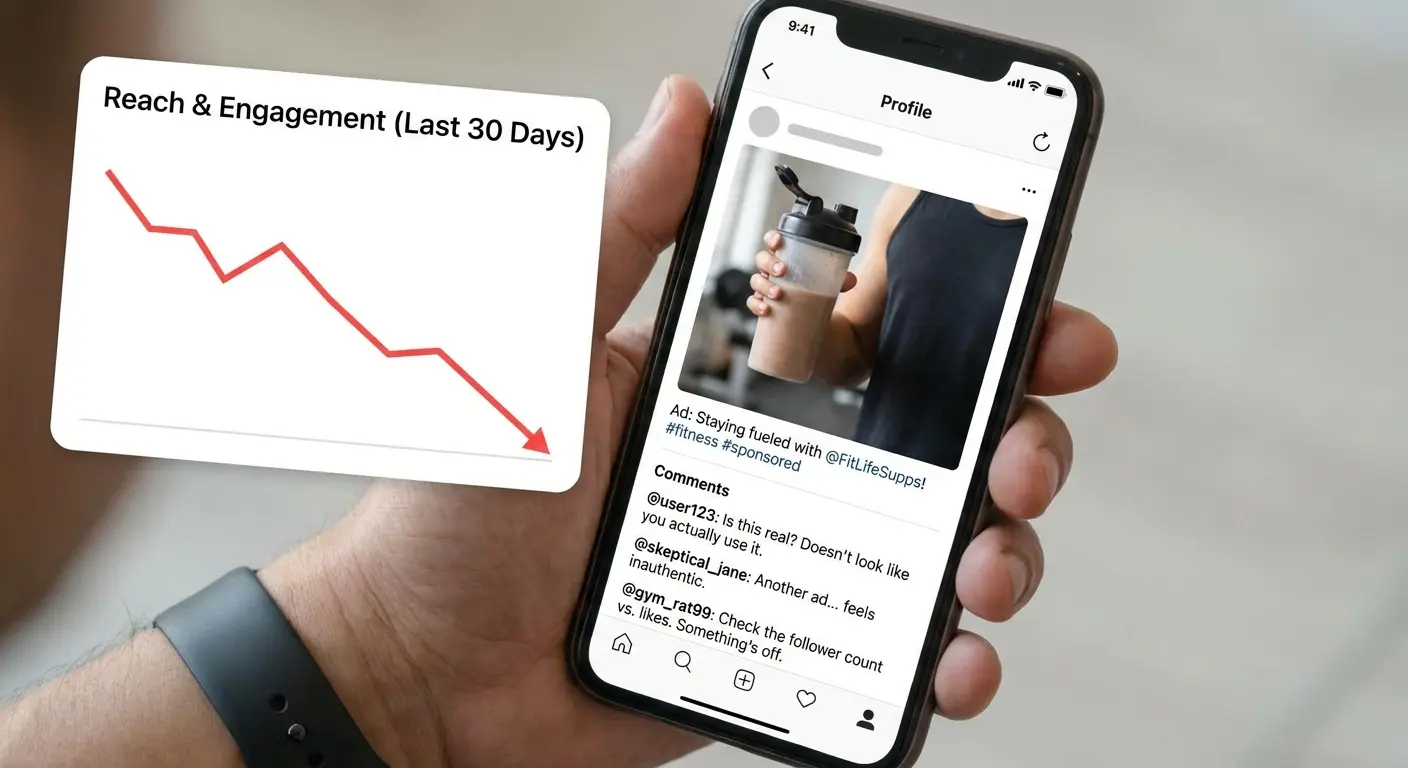
I watched this exact scenario play out last year with a supplement brand. Won’t name them, but if you’re in the CrossFit space, you’d recognize them.
They were paying ambassadors $150 per post. Not great, not terrible, pretty standard for their tier. One of their ambassadors, let’s call her Michelle, had maybe 45K followers and used to post about supplements super sparingly. Like, once every few months, and only when she’d found something that moved the needle for her training.
Then she signed the ambassador deal.
Suddenly their protein powder was everywhere. Her stories. Her feed. Sometimes twice in one week. And look, maybe she did love the product. But her audience couldn’t tell the difference anymore between “Michelle found something that works” and “Michelle has a contractual obligation to post 3x per month.”
The comments shifted fast. Used to be people asking about her programming, her diet, her recovery protocols. Then it became: “How much are they paying you?” and “Another sponsored post?” and, my personal favorite, “Remember when this account used to be real?”
Six weeks in, her engagement on anything that looked sponsored had dropped about 40%. The brand got their contracted posts. Michelle got her $150 each time. And her credibility took a hit that had nothing to do with whether the protein powder was actually good.
Commission Structures That Turn Advocates Into Salespeople
Commission-based compensation transforms ambassadors into affiliate marketers. There’s nothing inherently wrong with affiliate relationships, but they’re different from ambassador programs and audiences treat them differently. When someone’s income depends on conversion, their content shifts toward persuasion tactics rather than real sharing.
Their audience adjusts expectations accordingly. Recommendations get filtered through the knowledge that this person financially benefits from purchases. The trust dynamic changes completely, and the relationship starts resembling traditional advertising rather than peer advocacy.
Brand ambassador programs using commission-only structures see ambassadors adopt increasingly aggressive promotional tactics. They start using urgency language, scarcity messaging, and conversion-optimized calls to action. The content works for direct response marketing but destroys the peer recommendation dynamic that made their voice valuable.
Product-Only Compensation and Perceived Value
Sending free products without additional compensation sends a clear message about how you value an ambassador’s influence and effort. It works for micro-influencers building portfolios, but it creates problems when you’re asking established voices to integrate your brand into their content strategy.
Product-only arrangements often attract people who want free stuff rather than those aligned with your brand. You end up with ambassadors who post once to fulfill the implied obligation, then never mention you again. Their audience sees right through the transactional exchange.
Retainer Models That Buy Access Without Requiring Performance
Monthly retainers shift the dynamic. Ambassadors receive consistent compensation not tied to specific deliverables, creating space for organic integration and spontaneous mentions. The relationship feels less transactional because payment doesn’t directly correlate with promotional content.
This model requires trust on both sides. Brands worry about paying for nothing. Ambassadors sometimes struggle with the lack of clear performance expectations. But it’s the structure most likely to generate real advocacy because it removes the immediate quid pro quo that audiences recognize and discount.
I’ve seen brand ambassador relationships transform when brands switch from pay-per-post to retainer models. Posting frequency often decreases, but content quality and audience response improve dramatically. Ambassadors stop forcing mentions and start sharing when they have something to say.
|
Compensation Model |
Brand Perspective |
Ambassador Behavior |
Audience Perception |
Advocacy Quality |
|---|---|---|---|---|
|
Pay-per-post |
Predictable costs, guaranteed content |
Maximize post volume, minimize effort per post |
Obviously transactional, scrolls past sponsored content |
Low, forced frequency kills authenticity |
|
Commission-based |
Performance-aligned, pays for results |
Optimize for conversion tactics, aggressive promotion |
Recognizes sales pitch, applies skepticism filter |
Low, persuasion undermines peer trust |
|
Product-only |
Minimal investment, tests interest |
Single obligatory post, no sustained engagement |
Sees one-time exchange, questions actual use |
Very low, transparent quid pro quo |
|
Monthly retainer |
Higher commitment, unclear ROI |
Natural integration, spontaneous mentions |
Notices authentic usage patterns, maintains trust |
High, removes transactional pressure |
|
Equity/revenue share |
Long-term alignment, complex structure |
Strategic partnership, invested in brand success |
Perceives stake in outcomes |
Highest, aligned interests create real advocacy |
Selection Criteria That Prioritize Reach Over Resonance
Application processes request follower counts, engagement rates, and audience demographics. Selection committees review metrics and choose ambassadors with the largest reach. The entire process treats advocacy as a distribution problem rather than a relationship-building opportunity.
What does a brand ambassador do when they’re selected primarily for audience size rather than audience alignment? They struggle to create content that feels real because the fit was never there. The selection criteria doomed the relationship before it started.
Why Large Followings Often Predict Lower Advocacy Impact
Accounts with massive followings maintain that scale by avoiding controversial positions and limiting brand associations. Their audience follows them for specific content, and promotional posts (even real ones) represent a departure from expected programming.
These ambassadors also work with multiple brands simultaneously because their income depends on volume. Your brand becomes one mention among many, diluting any sense of preference or exclusive endorsement. Their audience has learned to scroll past sponsored content because it appears constantly.
A brand ambassador with 800,000 followers posts about your product alongside fifteen other brand partnerships that month. Their audience sees your product mentioned between a mattress company, a meal kit service, and a skincare line. The sheer volume of sponsorships communicates that this person will promote anything, which means their endorsement of your specific product carries minimal weight.

Engagement Rates That Mask Shallow Connections
Brands chase engagement metrics because they’re quantifiable and reportable. But comments like “love this!” or fire emojis don’t translate to audience members researching your product or discussing it with friends. You’ve secured visible engagement without meaningful advocacy.
Understanding Instagram engagement rate calculations helps brands recognize the difference between surface-level interactions and advocacy conversations. High engagement percentages don’t automatically indicate influence over purchasing decisions.
The Overlooked Value of Audience Composition
Who follows an ambassador matters more than how many people follow them. An audience of 5,000 people actively interested in your category beats 500,000 general followers who barely notice product mentions. But application forms rarely dig into audience composition beyond basic demographics.
Brands need ambassadors whose audiences are already having conversations adjacent to their product category. Someone with 10,000 followers who regularly discuss sustainability and ethical consumption is exponentially more valuable for an eco-friendly brand than someone with 100,000 followers interested in generic lifestyle content.
A B2B software company selected an ambassador with 200,000 LinkedIn followers because the reach looked impressive in their proposal deck. After six months and twelve posts, they tracked exactly three demo requests. Meanwhile, a product manager with 3,000 followers who they initially rejected generated twenty-seven qualified leads from two detailed posts about how the software solved specific workflow problems. The difference was audience composition. The large account had general business followers who scrolled past software content. The smaller account had an audience of people actively struggling with the exact problems the software addressed. They were already searching for solutions and trusted this person’s technical judgment.
Communication Style Compatibility That No One Assesses
Selection processes rarely evaluate whether an ambassador’s natural communication approach aligns with how your brand needs to be discussed. You end up with ambassadors struggling to talk about your product in ways that feel right to them, resulting in stilted content that satisfies neither their audience nor your brand requirements.
A brand ambassador who communicates through humor and sarcasm will struggle to promote a serious financial product using their natural voice. A technical, detail-oriented communicator won’t effectively advocate for an aspirational lifestyle brand. The mismatch creates content that feels forced because it requires the ambassador to adopt an unnatural communication style.
Ambassador Selection Evaluation Template
Beyond follower counts and engagement rates, assess candidates using these criteria:
Audience Alignment (Weight: 40%)
- What percentage of their audience actively discusses topics adjacent to your product category?
- Do their followers ask questions that your product answers?
- What problems does their audience regularly mention in comments and discussions?
Communication Style Compatibility (Weight: 25%)
- Does their natural tone match how your product should be discussed?
- Can they explain complex concepts if your product requires it?
- Do they use the type of content formats (long-form, visual, conversational) that work for your brand?
Product Fit (Weight: 20%)
- Would they use your product if they weren’t an ambassador?
- Does your product solve a problem they actually have?
- Can they discuss your product category knowledgeably without talking points?
Trust Indicators (Weight: 15%)
- How do their followers respond when they recommend products?
- Do comment sections show real questions or skeptical reactions?
- Have they maintained long-term relationships with other brands they advocate for?
The Content Calendar Trap and Why It Kills Spontaneity
Want to know the fastest way to kill authenticity? Schedule it for next Tuesday at 2pm.
Content calendars provide structure and ensure consistent brand visibility. They also destroy the spontaneous integration that makes ambassador content work. When someone posts about your product because it’s Tuesday and that’s their scheduled brand mention day, their audience recognizes the artificiality.
Becoming a brand ambassador shouldn’t mean surrendering the spontaneity that made your content compelling in the first place. But that’s exactly what rigid planning structures demand.
Scheduled Enthusiasm and Audience Skepticism
Real advocacy happens in moments. Someone tries your product, has a positive experience, and shares it while the enthusiasm is fresh. Scheduled posts require ambassadors to manufacture that enthusiasm on command, and the difference is obvious.
Audiences develop pattern recognition. They notice when brand mentions appear on consistent schedules or align suspiciously with product launches. The regularity itself becomes evidence of a transactional relationship, regardless of whether the ambassador actually likes your product.

How Planning Requirements Force Contextual Disconnects
Content calendars lock in posts weeks or months ahead. Ambassadors commit to mentioning your product before knowing what else will be happening in their lives or content strategy during that period. The result is posts that feel disconnected from their surrounding content.
Someone might schedule a post about your energizing morning beverage, then that week they’re creating content about rest and recovery. The tonal disconnect makes the brand mention feel shoehorned in, and their audience notices the awkward transition.
Brand ambassador content calendars create absurd situations where someone commits in January to posting about summer products in July, with no idea what their content themes or personal circumstances will be six months later. They’re forced to either break commitments or publish contextually inappropriate content.
The Approval Process That Adds Days Between Inspiration and Publication
Ambassadors create content, submit it for approval, wait for feedback, make revisions, and finally publish days after the initial inspiration. The delay drains spontaneity and forces them to write in past tense about experiences that felt immediate when they started drafting.
This lag particularly damages time-sensitive content. An ambassador wants to share your product in the context of a current event or trending conversation, but by the time approvals clear, the moment has passed. They either post outdated content or abandon the idea entirely.
Why the Best Ambassador Content Can’t Be Planned
The most effective ambassador content emerges from unexpected moments. Someone uses your product in a novel way. They have an insight about it while doing something unrelated. A friend asks about it and the conversation sparks a content idea. None of this fits into predetermined content calendars.
Requiring advance planning means missing these organic opportunities. Ambassadors learn to ignore spontaneous content ideas because the approval process makes them impractical. You’ve traded real moments for predictable mediocrity.
A travel gear brand required ambassadors to submit content two weeks in advance for approval. An ambassador on a hiking trip encountered unexpected rain and discovered their branded jacket performed better than expected in conditions she hadn’t tested before. She wanted to share the surprise and relief in real-time, with photos of the actual situation. But the approval process meant she’d need to draft the post, submit it, wait for feedback, make revisions, and publish days later after she’d returned home. By then, the emotion was gone. She filed the experience away and never posted about it. The brand missed the most credible endorsement she could have given because their process couldn’t accommodate spontaneity. Meanwhile, she posted immediately about a competitor’s product she discovered at a trail shop because no approval was required.
Metrics That Measure Everything Except What Matters
Dashboard metrics track impressions, reach, engagement rates, click-throughs, and conversion attribution. These numbers populate reports and justify program budgets. They also miss most of what makes ambassador programs valuable.
Brand ambassador success gets reduced to numbers that are easy to track rather than outcomes that actually matter. We measure what’s convenient instead of what’s meaningful.
Impression Counts That Ignore Attention Quality
A million impressions sounds impressive until you consider how people scroll. Your ambassador’s content might technically appear on screens without anyone actually processing it. Impression metrics can’t distinguish between someone who glanced at a post for half a second and someone who stopped to read carefully.
Brands optimize for impression volume because it’s measurable and reportable. Ambassadors learn to create content that maximizes distribution (algorithm-friendly formats, trending audio, optimal posting times) rather than content that generates meaningful consideration.

Engagement Rates That Reward Performance Over Substance
Engagement metrics incentivize content that generates reactions rather than content that builds trust or shifts perception. An ambassador can boost engagement by asking simple questions or using interactive features, but those interactions don’t necessarily indicate increased brand consideration.
Someone might engage with an ambassador’s content regularly without ever seriously considering the promoted product. The engagement makes the ambassador look successful in reports while delivering minimal actual advocacy value. You’re measuring activity rather than influence.
Attribution Models That Miss Conversation-Based Advocacy
Standard attribution tracks clicks and conversions tied to specific links or codes. It completely misses the advocacy that happens in conversations. An ambassador mentions your product in a podcast. Someone listening later searches for it independently. That conversion never connects back to the ambassador in your tracking.
Private conversations create even larger blind spots. Ambassadors recommend products in DMs, group chats, and real-world conversations constantly. These recommendations often carry more weight than public posts because they’re personalized and unsolicited by brands. Your metrics never capture them.
Effective marketing case study analysis reveals that conversation-based advocacy often drives more conversions than trackable attribution models suggest. The impact exists whether you measure it or not.
Why the Conversion Focus Misses Long-Term Consideration Building
Ambassador programs often get evaluated on direct conversion metrics, but advocacy primarily functions as consideration-building. Someone sees an ambassador mention your product, files it away mentally, and purchases months later when the need arises. The conversion happens too far from the initial exposure for attribution to connect them.
This timing mismatch makes ambassador programs look less effective than they actually are. Brands see limited direct conversions and conclude the program isn’t working, missing the consideration shifts happening in audience minds that will eventually drive purchases through other channels.
Alternative Ambassador Success Metrics Checklist
Instead of tracking only impressions and engagement, measure these indicators of actual advocacy impact:
Relationship Depth Signals
- Unsolicited outreach: How often do ambassadors contact you with ideas, feedback, or questions unrelated to requirements?
- Defensive advocacy: Do ambassadors defend your brand in comment sections or discussions without prompting?
- Network introductions: Are ambassadors connecting you with valuable contacts in their professional networks?
- Content evolution: Is their content about your brand becoming more sophisticated and nuanced over time?
Audience Trust Indicators
- Question quality: Are comments asking substantive questions about product details rather than generic reactions?
- Conversation threads: Do posts generate extended discussions among audience members, not just with the ambassador?
- Recommendation requests: Are people in comments asking the ambassador for advice on your product category?
- Purchase decision mentions: Do commenters indicate they’re actively considering or have purchased based on the recommendation?
Long-Term Consideration Building
- Search behavior: Are branded search terms increasing in periods following ambassador content (even without direct attribution)?
- Sales team feedback: Do prospects mention seeing the product recommended by trusted sources?
- Consideration set inclusion: In market research, does your brand appear more frequently in consideration sets within ambassador audience demographics?
- Delayed conversion patterns: Are you seeing conversion upticks 30-90 days after ambassador campaigns in relevant audience segments?
How Brands Accidentally Train Ambassadors to Perform Rather Than Connect
Program structures create learning environments. Ambassadors figure out what gets rewarded, what gets criticized, and what gets ignored. They adjust their behavior accordingly, often in ways that work against the real advocacy brands actually want.
The brand ambassador definition you’re operating with shapes how ambassadors behave. Define them as content producers and they’ll produce content. Define them as trusted advocates and they’ll focus on building trust.
Feedback Loops That Reward Brand Compliance Over Audience Resonance
Ambassadors receive feedback on whether their content meets brand guidelines, includes required disclosures, and covers key messaging points. They rarely receive feedback on whether their audience found the content valuable or believable. The feedback structure teaches them to optimize for brand approval.
Over time, ambassadors internalize these priorities. They start self-editing based on anticipated brand reactions rather than audience needs. Their content becomes increasingly focused on satisfying program requirements, and the shift toward performance becomes self-reinforcing.

Recognition Systems That Celebrate Wrong Behaviors
Programs often spotlight ambassadors who post most frequently, generate highest engagement, or drive most conversions. These recognition systems signal what the brand values, and other ambassadors adjust their approach to match those celebrated behaviors.
The problem emerges when recognized behaviors don’t align with real advocacy. Celebrating high post volume encourages ambassadors to prioritize quantity over quality. Highlighting engagement rates incentivizes content designed for reactions rather than consideration. You’re accidentally teaching ambassadors to perform rather than advocate.
How Detailed Brand Guidelines Eliminate Personal Voice
Comprehensive brand guidelines ensure consistency and protect brand integrity. They also constrain how ambassadors can naturally discuss your product. The more detailed the requirements, the more their content sounds like it could have been written by anyone following the same instructions.
Ambassadors start using brand-approved language that doesn’t match their typical vocabulary. They structure posts according to provided templates. Their content becomes recognizably templated, and audiences notice the shift from personal voice to corporate messaging delivered through a borrowed account.
Brand ambassador guidelines sometimes specify exact phrases, required hashtags, mandatory product features to mention, prohibited topics, and approved image compositions. Following these rules produces content so uniform that audiences can identify ambassador posts before seeing any disclosure labels.
The Comparison Trap Created by Transparent Performance Dashboards
Programs that show ambassadors how they rank against each other create competitive dynamics that undermine real advocacy. Ambassadors see they’re posting less frequently than others or generating lower engagement, and they adjust by increasing output or chasing viral content formats rather than focusing on connection.
This comparison mentality shifts their relationship with the brand from collaborative partnership to performance competition. They start viewing other ambassadors as rivals rather than community members, and their content strategy becomes about outperforming peers rather than serving their audience.
Reframing Ambassador Relationships as Collaborative Partnerships
Partnership implies mutual benefit, shared decision-making, and collaborative problem-solving. Most ambassador programs use partnership language while maintaining hierarchical control structures. Real partnership requires brands to cede some control and value ambassador input beyond their content creation.
Being a brand ambassador and being a collaborative partner are different experiences. One involves executing someone else’s strategy. The other involves co-creating it.
Involving Ambassadors in Product Development and Strategy
Ambassadors interact with your products differently than internal teams do. They use them in real contexts, encounter unexpected problems, and discover novel applications. Their feedback carries user perspective that focus groups can’t replicate because they’re invested in your brand success.
Brands that involve ambassadors in product development create deeper investment. An ambassador who contributed feedback that shaped a product feature has real enthusiasm about that launch because they participated in creating it. Their advocacy comes from pride in collaborative achievement.

Transparent Communication About Business Challenges
Traditional programs shield ambassadors from business realities. They receive polished messaging about launches and campaigns without understanding the strategic context or challenges behind them. This information asymmetry maintains the employee-manager dynamic rather than building partnership.
Sharing business challenges with ambassadors (within reasonable confidentiality bounds) creates collaborative problem-solving opportunities. They might have insights about market positioning, audience concerns, or competitive dynamics that internal teams miss. More importantly, transparency builds trust that makes their advocacy more real.
Collaborative Content Strategy Instead of Assigned Topics
Rather than telling ambassadors what to post and when, collaborative approaches involve them in content strategy discussions. What stories do they want to tell? How does your product fit into content they’re already planning? What angles feel right to their audience relationships?
This approach requires more upfront conversation and less rigid planning, but it produces content that integrates naturally into ambassador strategies. They’re not fulfilling assignments; they’re incorporating your brand into stories they want to tell.
Revenue Sharing Models That Align Long-Term Interests
Some brands experiment with giving ambassadors equity or revenue-sharing arrangements tied to long-term business performance rather than short-term content metrics. These structures align ambassador interests with brand success rather than immediate promotional output.
The financial commitment signals that you view ambassadors as partners invested in collective success rather than contractors hired for specific deliverables. This shift changes how ambassadors approach the relationship and how their audiences perceive their involvement.
The Overlooked Power of Micro-Commitment Structures
Micro-commitments ask for small, specific actions rather than ongoing content obligations. An ambassador might commit to mentioning your product once when it’s relevant rather than posting three times monthly on schedule. The flexibility allows integration while maintaining some program structure.
Brand ambassadorship doesn’t require constant promotional activity to be valuable. Sometimes the most effective advocates are those who mention you rarely but meaningfully.
Single-Instance Commitments That Remove Ongoing Pressure
Instead of monthly posting requirements, ambassadors commit to creating one piece of content when they have something real to share. The timeline stays flexible. The format remains their choice. You’ve removed the pressure that forces manufactured enthusiasm while maintaining some mutual expectation.
This structure works because it acknowledges that advocacy opportunities arise irregularly. An ambassador might use and love your product but only have something worth sharing quarterly. Forcing monthly content dilutes their message and strains their audience relationship.
Event-Based Participation Rather Than Continuous Promotion
Ambassadors commit to participating in specific campaigns or events rather than maintaining constant promotional presence. They might agree to share during a product launch, participate in a seasonal campaign, or contribute to a specific initiative that aligns with their content strategy.
Event-based participation creates natural content hooks and contextual relevance. Their audience sees brand mentions tied to specific occasions rather than appearing as ongoing promotional obligations. The temporal boundaries make the commercial relationship more transparent and somehow more acceptable.
Opt-In Opportunities That Let Ambassadors Choose Their Involvement
Programs present various engagement opportunities and let ambassadors select what aligns with their current content direction and audience interests. Some might prefer written content, others video, others event participation. The choice itself demonstrates respect for their autonomy and audience knowledge.
This approach requires brands to create more diverse participation options, but it generates higher-quality engagement because ambassadors select opportunities they’re excited about. You’re working with their enthusiasm rather than trying to manufacture it on demand.
The Compound Effect of Small, Real Mentions
Micro-commitments might seem to generate less content volume than traditional requirements, but they often produce greater cumulative impact. A few well-timed mentions can build more consideration than dozens of obligatory posts that audiences scroll past without processing.
Quality concentration beats quantity distribution. An ambassador who mentions your product twice yearly in deeply real contexts might drive more interest than someone posting weekly content that their audience has learned to ignore as sponsored material.
Why Your Best Ambassadors Might Never Post About You
Here’s something that’s gonna mess with your metrics-obsessed brain: your best ambassadors might never post about you publicly.
I know. You spent all this time building a program that tracks posts and measures engagement, and I’m telling you the most valuable advocacy is probably happening in places you’ll never see.
Think about how you actually recommend products to friends. Do you post about every product you love on Instagram? Or do you text your friend when they ask for advice? Drop a recommendation in a Slack channel? Mention it over coffee when someone’s complaining about the exact problem your favorite product solves?
That’s where the real advocacy happens. And your dashboard will never capture it.
Professional Referrals That Carry Industry Weight
Industry professionals often avoid public brand endorsements to maintain perceived objectivity, but they recommend products constantly in professional contexts. A consultant might suggest your software to every client without ever posting about it publicly. Their advocacy drives significant revenue while remaining invisible to traditional program metrics.
These advocates need different relationship structures. They can’t participate in content-focused programs, but they’re often willing to provide case studies, speak at events, or contribute to thought leadership in ways that build credibility without appearing promotional.

Private Community Advocacy That Shapes Group Decisions
People participate in private communities, group chats, and forums where they discuss products and share recommendations constantly. An ambassador might advocate for your brand dozens of times in these spaces without creating any public content you can track.
This advocacy often carries more weight than public posts because it happens in trusted peer environments without commercial visibility. Someone asking for product recommendations in a private Slack channel gets unfiltered opinions that heavily influence their decision-making.
Word-of-Mouth Amplification That Starts From Minimal Public Content
An ambassador posts once about your product. That post sparks dozens of private conversations as their friends ask follow-up questions, request details, or discuss whether it’s right for them. The single post generated substantial advocacy through private amplification that never surfaces in metrics.
Traditional measurement counts the one post and misses the conversation cascade it triggered. The ambassador’s value extends far beyond their public content, but programs focused on post counts and engagement rates undervalue their actual impact.
Why High-Status Advocates Avoid Public Brand Associations
People with significant influence often deliberately limit public brand associations to protect their perceived independence and authority. They’ll recommend products privately to friends and colleagues but avoid public endorsements that might appear to compromise their objectivity.
These advocates represent some of the highest-value relationships because their recommendations carry substantial weight within their networks. But they can’t participate in traditional ambassador programs that require public content. Brands need alternative structures to engage them.
Building Programs That Scale Trust Instead of Content Volume
Scaling content volume is straightforward. Recruit more ambassadors, increase posting requirements, expand to new platforms. Scaling trust requires entirely different thinking about program structure, ambassador selection, and success measurement.
Brand ambassador meaning shifts when you prioritize trust over reach. The role becomes less about distribution and more about relationship depth.
Depth Over Breadth in Ambassador Recruitment
Trust-focused programs recruit fewer ambassadors but invest more deeply in each relationship. Instead of managing hundreds of ambassadors posting occasionally, you develop close partnerships with dozens who become embedded in your brand community.
Deeper relationships create space for the collaboration, transparency, and mutual investment that builds real advocacy. Ambassadors become true partners who understand your business challenges and contribute strategic thinking beyond content creation.
Long-Term Relationship Investment Rather Than Campaign-Based Engagement
Programs structured around campaigns treat ambassadors as temporary resources activated for specific initiatives. Trust-building requires sustained relationships that continue between campaigns and extend beyond immediate promotional needs.
Long-term relationships allow ambassadors to develop product expertise and connection to your brand story. Their advocacy becomes more sophisticated and believable because it’s built on extended experience rather than brief campaign participation.
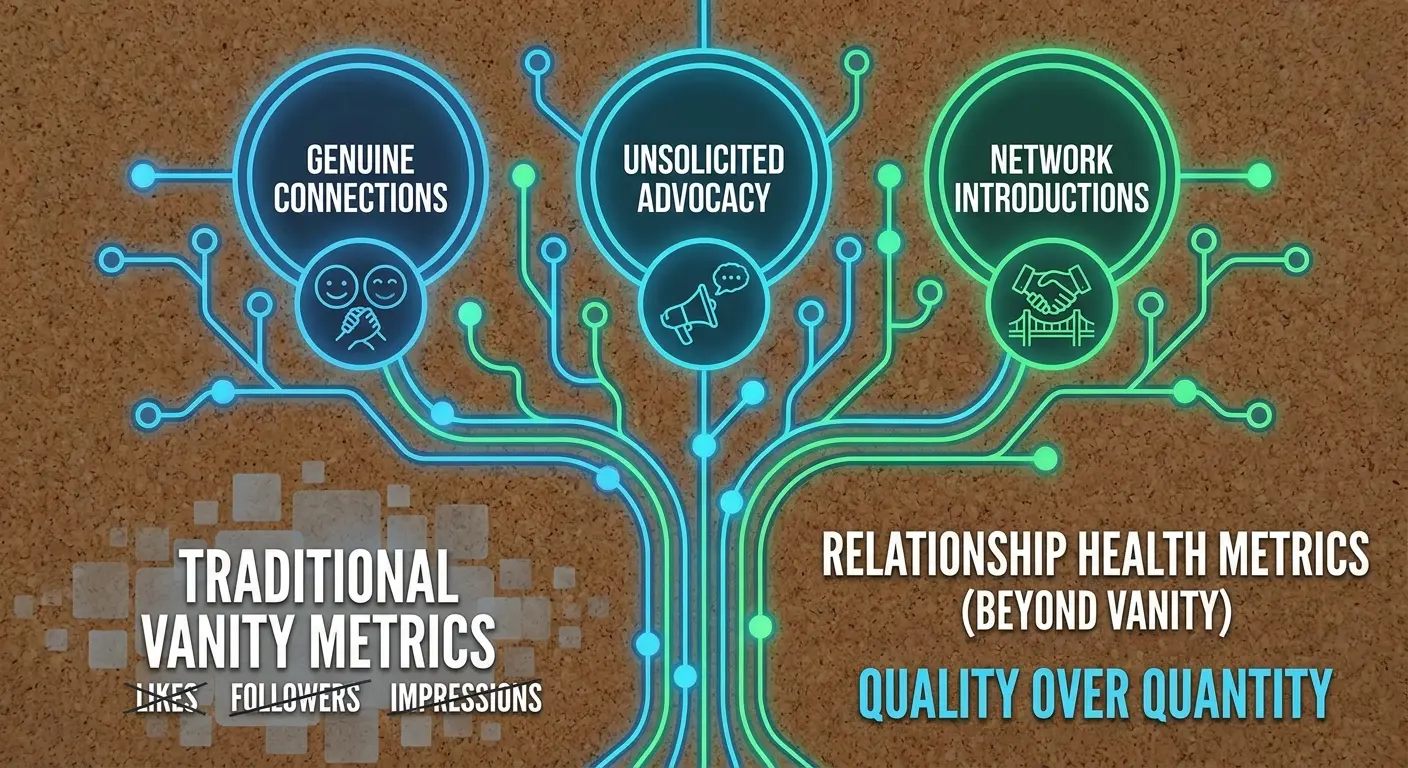
Measuring Relationship Health Instead of Content Metrics
Trust-focused programs track different indicators. How often do ambassadors proactively reach out with ideas or feedback? Do they defend your brand in conversations without prompting? Are they introducing you to valuable connections in their networks?
These relationship health indicators predict long-term advocacy value more accurately than post counts or engagement rates. They’re harder to quantify but more meaningful for understanding whether you’re building partnerships or managing transactional content relationships.
Creating Space for Ambassador-Led Initiatives
The strongest trust signal is when ambassadors initiate projects or content without brand prompting. They organize community events, create educational resources, or develop creative campaigns because they’re invested in your success.
Programs that scale trust create space and support for ambassador-led initiatives rather than controlling all activity through brand-directed campaigns. You’re fostering a community of invested advocates rather than managing a network of content contractors.
Accepting That Trust Doesn’t Scale Linearly
Traditional programs scale by adding more ambassadors and generating more content. Trust-focused programs accept that real advocacy relationships have natural scaling limits. You can’t maintain deep partnerships with unlimited people.
This acceptance changes growth strategy. Instead of constantly recruiting new ambassadors, you focus on deepening existing relationships and helping current ambassadors expand their influence. Growth comes from relationship depth rather than network breadth.
I’ve worked with brands struggling to understand why their ambassador programs generate impressive-looking metrics without driving meaningful business impact. The content gets created, the reports show engagement, but sales teams report that prospects still don’t recognize the brand or understand its value proposition. The disconnect usually traces back to programs optimized for measurable outputs rather than trust-building relationships.
Restructuring toward trust-focused models requires patience because the value shows up differently and more slowly than traditional metrics suggest. But brands that make this shift consistently report that their ambassador relationships become more sustainable, their advocacy more credible, and their business impact more substantial even as content volume decreases.
Final Thoughts
Look, I get it. Giving up control feels risky. What if ambassadors say the wrong thing? What if they don’t post enough? What if you can’t prove ROI in your quarterly report?
But here’s what I know after watching hundreds of these programs: the ones that work are the ones that let go. They trust their ambassadors to know their audiences better than any brand guidelines ever could. They measure things that matter instead of things that are easy to count. They build actual relationships instead of managing content production pipelines.
Is it messier? Yes. Is it harder to report on? Absolutely. Does it work better than the alternative?
Every single time.
Ambassador programs fail when they prioritize control over authenticity and measurement over meaning. The structural problems run deeper than poor execution. Most programs are designed wrong from the start, built on employment frameworks rather than advocacy principles.
Fixing this requires more than tactical adjustments to compensation models or content requirements. It demands rethinking what a brand ambassador relationship should be and accepting that real advocacy can’t be managed the way brands manage other marketing channels.
The brands building effective programs have stopped trying to control ambassador behavior and started investing in partnerships. They’ve accepted that the most valuable advocacy often happens in spaces they can’t track and that trust scales differently than content volume.
This shift feels risky because it means ceding control and trusting people to represent your brand in ways you can’t predict or approve in advance. But that risk is precisely what makes their advocacy believable. Audiences trust recommendations that aren’t obviously controlled by brand interests, and creating space for that autonomy is the only way to generate real advocacy at scale.
So here’s my challenge: pick one thing from this post, just one, and try doing it differently. Stop requiring monthly posts. Kill your content calendar. Pay people for partnership instead of deliverables. Start small, see what happens, and adjust from there.
Because right now, your ambassador program is probably generating impressive-looking metrics that don’t mean anything. And you already know that, or you wouldn’t still be reading this.
The question isn’t whether your ambassador program can generate more content or reach more people. It’s whether the advocacy you’re creating actually influences how people think about your brand. Most programs optimize for the wrong answer.