



Something’s broken in influencer marketing, and it’s not what you think. Budgets are bigger than ever, platforms keep multiplying, and yet most campaigns still feel completely hollow. I’m talking brands pouring millions into creator partnerships that generate impressive vanity metrics but fail to move the needle where it counts.
The problem isn’t the influencers. It’s not even the platforms.
The issue is that most brands are still approaching influencer marketing with an advertising mindset when they should be thinking like media companies. I’ve spent years watching this play out, and the brands that figure out this shift are the ones building sustainable competitive advantages while everyone else chases engagement rates. The gap between these two approaches determines whether your influencer marketing becomes a strategic asset or just another line item that gets questioned during budget reviews.
TL;DR (Bottom Line)
Brands treating influencers as ad placements miss the opportunity to build owned media assets and long-term creator equity. Influencer-generated content has massive untapped potential across paid media, email, websites, and retail environments beyond the initial social post. Most brands don’t properly analyze audience overlap between creators, leading to redundant spending and diminished returns.
Internal creator networks and ongoing relationships outperform transactional campaign models in almost every meaningful metric. Current measurement frameworks prioritize easy-to-track vanity metrics over actual business impact, creating a false sense of campaign success. Shifting from distribution-focused thinking to content-creation partnerships fundamentally changes how you select, brief, and compensate creators. The brands making this transition are seeing 3-5x better ROI while their competitors remain stuck in the old model.
The Advertiser Mindset vs. The Media Company Mindset
Most marketing teams approach influencer partnerships the same way they’d buy a billboard or a magazine ad. You identify the placement (the creator’s feed), negotiate the price, deliver your message, measure the impressions, and move on. This transactional framework made sense in traditional media buying, but it completely misses the point with creators.

Media companies don’t just distribute content. They produce it, own it, repurpose it, and extract value from it across multiple channels and timeframes. When Netflix works with creators, they’re not renting their audience for a single impression. They’re building a content library that generates value indefinitely.
Brands that adopt this media company mindset stop asking “how many followers does this creator have?” as their primary question. Instead, they ask: Can this creator produce content that we’ll want to use everywhere? Does their creative process align with our production needs? Will the assets they create have a shelf life beyond the initial post?
The shift sounds subtle but changes everything.
You start prioritizing different creators. Micro-influencers with strong production skills suddenly become more valuable than macro-influencers with huge but passive audiences. Your contracts change because you’re negotiating content rights, not just posting schedules. Your brief evolves from messaging guidelines to creative collaboration. Understanding what is influencer marketing at this level versus the tactical execution level changes everything about how you allocate resources.
|
Advertiser Mindset |
Media Company Mindset |
|---|---|
|
Focus on follower count and reach |
Focus on content quality and production capability |
|
Single-use content for one platform |
Multi-channel assets with extended shelf life |
|
Prescriptive briefs with strict messaging |
Collaborative briefs with creative freedom |
|
Payment based on audience size |
Payment based on asset value and usage rights |
|
Success measured by impressions and engagement |
Success measured by content performance across channels |
|
One-off transactional relationships |
Ongoing partnerships |
|
Creator as distribution channel |
Creator as production partner |
Take this skincare brand I worked with last year. Creator A had 800,000 followers and charged $15,000 for a single Instagram post with standard usage rights limited to their feed. Creator B had 150,000 followers but exceptional video production skills, charged $8,000, and the brand negotiated full usage rights for 18 months across all channels.
Creator A’s post generated 40,000 likes and disappeared into the archive. Creator B’s content became the hero video on three product pages, ran as paid ads on Meta and TikTok with a 35% lower CPA than traditional creative, got featured in four email campaigns, and played on screens in 200 retail locations. Creator B delivered 7x the value, and it wasn’t even close.
I’ve seen brands spend six figures on a celebrity Instagram story that disappeared in 24 hours. I’ve also seen brands spend a fraction of that on a mid-tier creator who produced video assets the brand used in paid ads, on their website, in email campaigns, and at retail for 18 months. The ROI difference is staggering, but it requires thinking past that initial social post. This is where the true power of influencer marketing reveals itself, not in the vanity metrics but in the compounding value of reusable assets.
Why Creator Equity Matters More Than Campaign Metrics
Campaign metrics tell you what happened. Creator equity tells you what’s possible.
Every time you work with a new creator, you’re starting from zero. They’re learning your brand, you’re learning their process, and the first collaboration is almost always the weakest. The second partnership is better. The third is where things start clicking. By the fifth, you’ve built something that looks less like a business transaction and more like a creative partnership.
Brands obsessed with campaign-level metrics miss this compounding effect entirely. They optimize for individual post performance rather than relationship value over time. They switch creators constantly, always chasing the next audience, never building depth with any single creator or their community.
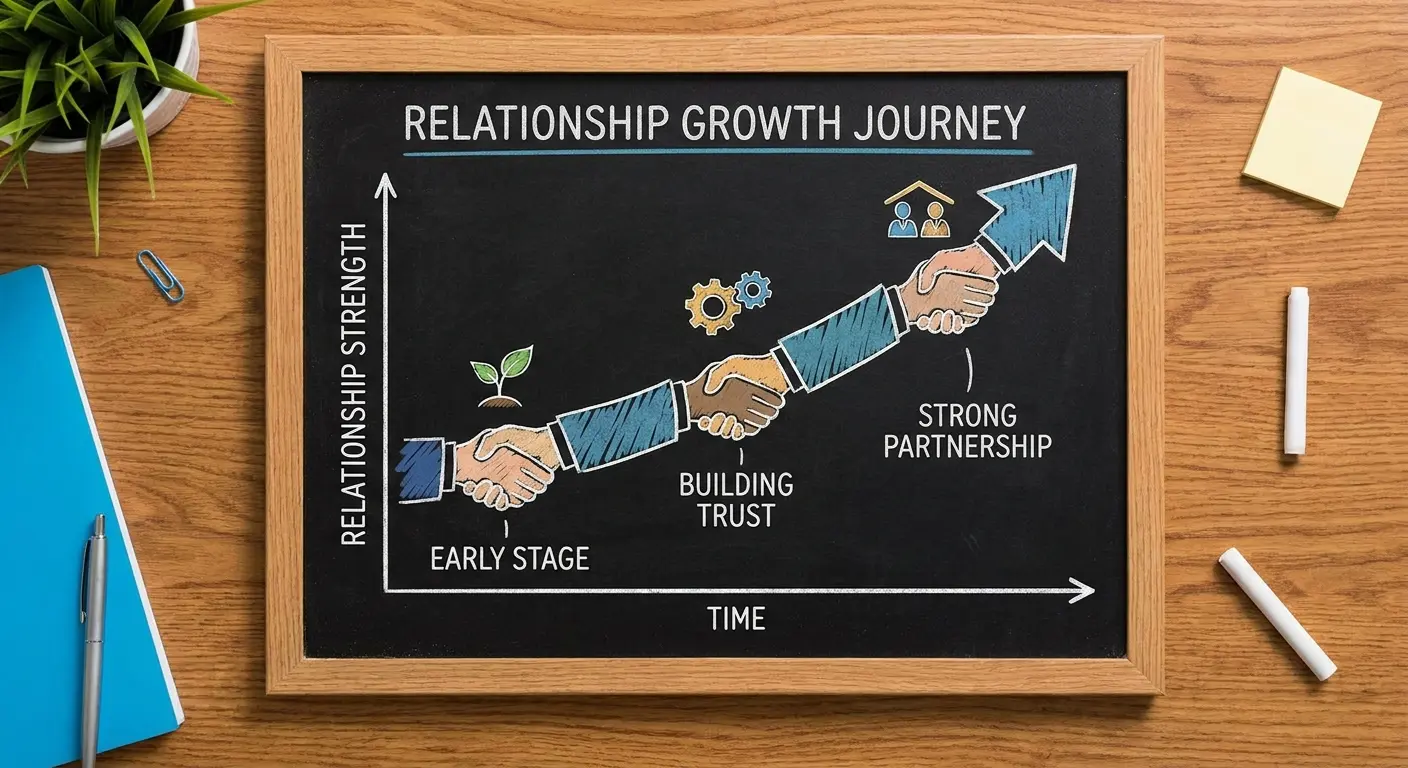
Creator equity shows up in ways traditional metrics can’t capture. When a creator genuinely loves your product, they mention it in content you didn’t pay for. They defend you in comments. They provide feedback that shapes your product development. They introduce you to other creators. They give you preferential rates and priority in their content calendar because they want the partnership to continue.
You can’t build this through one-off influencer marketing campaigns. It requires repeated collaboration, fair compensation, creative freedom, and mutual respect. It means sometimes paying creators even when you’re not running an active campaign, just to maintain the relationship. It means involving them in conversations and treating their input as valuable.
This fitness apparel brand I know identified eight creators aligned with their values and committed to working with each one at least quarterly for two years. By month six, three of the creators were organically mentioning the brand in non-sponsored content. By month twelve, two creators had provided product feedback that led to design improvements on a new legging line.
By month eighteen, the creators were introducing the brand to other creators in their network without prompting, and the brand’s cost per partnership had dropped 30% because creators were offering relationship rates. One creator even turned down a competing brand’s offer that was 40% higher because they valued the existing partnership.
The math here is straightforward but most brands never do it. Calculate the total value a creator delivers over 24 months of ongoing partnership versus the value of 24 individual one-off campaigns with different creators. Factor in production costs, negotiation time, onboarding, creative revisions, and actual performance. The ongoing partnership wins almost every time, often by a factor of 3x to 5x. This is how influencer marketing becomes an advantage rather than just another marketing expense.
The Underutilized Power of Influencer Content Beyond Social Feeds
Here’s what typically happens: A brand pays a creator $10,000 for an Instagram post and three stories. The content goes live, generates engagement, and then it’s over. The brand got what they paid for (a post and some stories), but they left 80% of the value on the table.
That same content could be running as paid ads on Meta and TikTok. It could be featured on the product page. It could be in email campaigns. It could be playing on screens in retail stores. It could be cut into different formats for YouTube pre-roll, display ads, or even TV if the production quality warrants it.
Each of these uses generates incremental value, but most brands never negotiate the rights to make it happen.
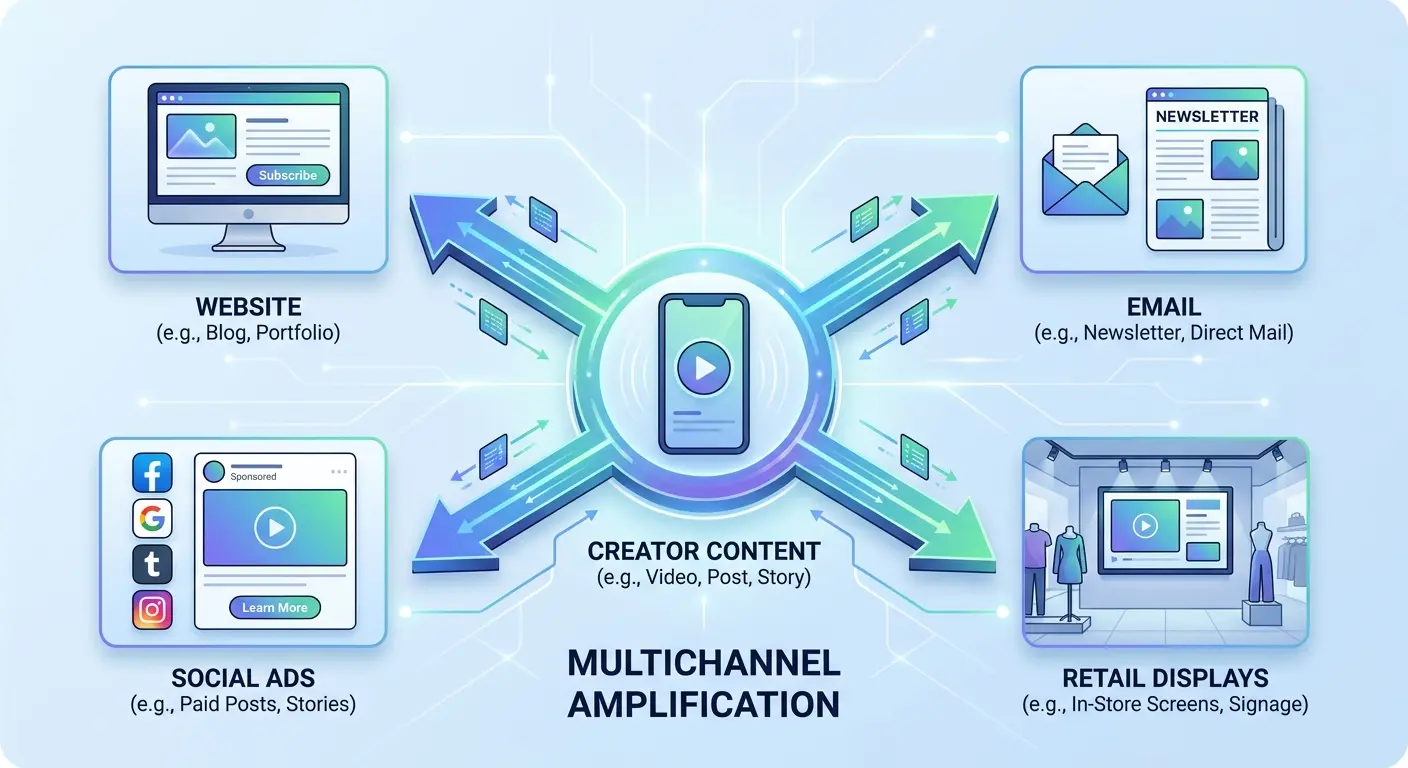
The thing is, creator content often outperforms brand-produced content in paid media, which is why understanding performance marketing fundamentals becomes critical for maximizing ROI. People scroll past polished ads but stop for content that looks native to the platform. User-generated content (and creator content that feels user-generated) consistently shows higher engagement rates and lower CPMs in paid campaigns.
I’ve run tests where creator content in paid ads delivered 40% lower cost per acquisition than traditional creative. That’s not an edge case. It’s become the norm. Creator content feels authentic because it is authentic. It doesn’t trigger the same ad blindness that professionally produced commercials do.
Rights negotiation becomes critical here. You need usage rights that extend beyond the creator’s own channels. You need the ability to edit and repurpose. You need clarity on time limits and geographic restrictions. These conversations should happen before the content is created, not after.
Some creators resist broad usage rights because they worry about losing control or devaluing their feed. Fair compensation solves most of these concerns. If you’re planning to use content across multiple channels for 12 months, pay accordingly. Break down the value by use case if it helps: X for the social post, Y for paid media rights, Z for owned channel usage.
The brands winning here have their systems together on the ops side. They’re not scrambling to find that video file from three months ago. They maintain content libraries tagged by creator, product, use case, and performance metrics. They have workflows for getting content into the hands of paid media teams, email marketers, and merchandising teams quickly. This approach to influencer marketing transforms creators from temporary distribution channels into ongoing content production partners, and the economic impact is real. Social media influencer content becomes an asset rather than a disposable campaign element.
How Brands Misread Audience Overlap and Waste Budget
Brands routinely work with five creators who all reach the same 100,000 people. They think they’re reaching 500,000 people. They’re not.
Audience overlap is one of the most overlooked factors in influencer marketing strategy. Creators in the same niche naturally attract similar followers. When you work with multiple beauty creators, or multiple fitness creators, or multiple gaming creators, you’re often paying multiple times to reach the same audience.
The problem compounds when you’re running campaigns at scale.
A brand might activate 20 creators in a single campaign window, assuming they’re maximizing reach. In reality, they might have 60% audience overlap across their creator roster. They’re paying for 20 million impressions but only reaching 8 million unique users.
Proper audience analysis requires tools that can map follower overlap between creators. Some influencer platform solutions offer this functionality, though it’s often an add-on feature that brands skip to save money. (Which is wild, because the waste this creates costs way more than the tool.) The analysis reveals patterns that change how you build creator portfolios.
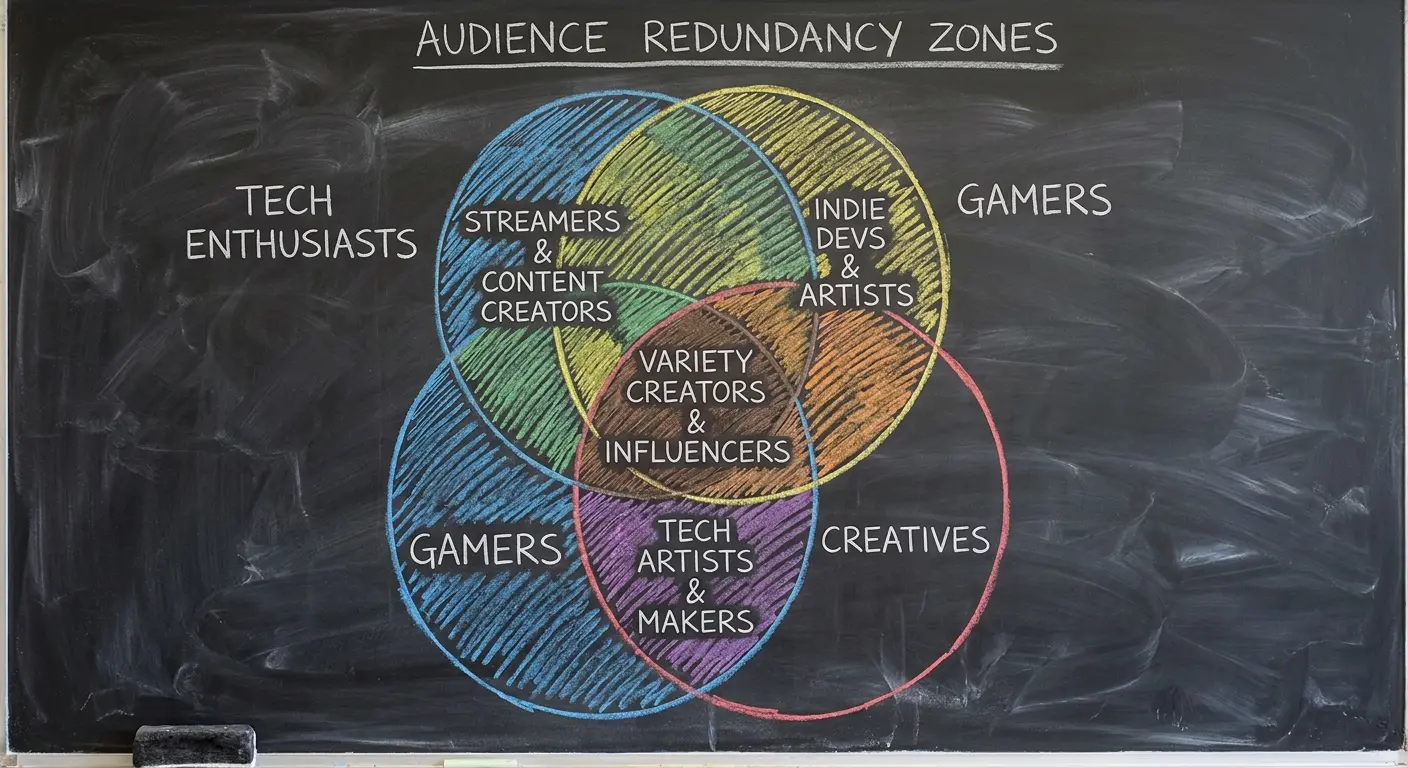
You might discover that three mid-tier creators with minimal audience overlap deliver more unique reach than one macro-influencer, even if the follower counts suggest otherwise. You might find that creators in adjacent niches (say, sustainable fashion and eco-friendly home goods) have less overlap than creators in the same niche, making them better partners for a brand that spans both categories.
Geographic overlap matters too. A brand running a national campaign might work with creators who all skew heavily toward audiences in California and New York, leaving the rest of the country underserved. Demographic overlap creates similar issues. Five creators who all reach women aged 25-34 in urban areas aren’t giving you demographic diversity, no matter how different their content styles might be.
You need to define your reach objectives first. Who are you trying to reach? Where are they? What’s your current penetration in different audience segments? Then you build a creator portfolio designed to fill gaps rather than reinforce existing strengths.
This requires more upfront analysis but the efficiency gains are real. Brands that properly map audience overlap typically reduce their cost per unique reach by 30-50% compared to brands that select creators based solely on individual metrics. This level of thinking separates effective influencer marketing from budget waste disguised as campaign activity.
Building Internal Creator Networks Instead of One-Off Partnerships
Campaign-based influencer marketing creates constant friction. Every campaign requires sourcing creators, negotiating contracts, onboarding them to your brand, briefing them on the campaign, managing revisions, and handling approvals. You’re rebuilding the entire operation from scratch every time.
Internal creator networks flip this model.
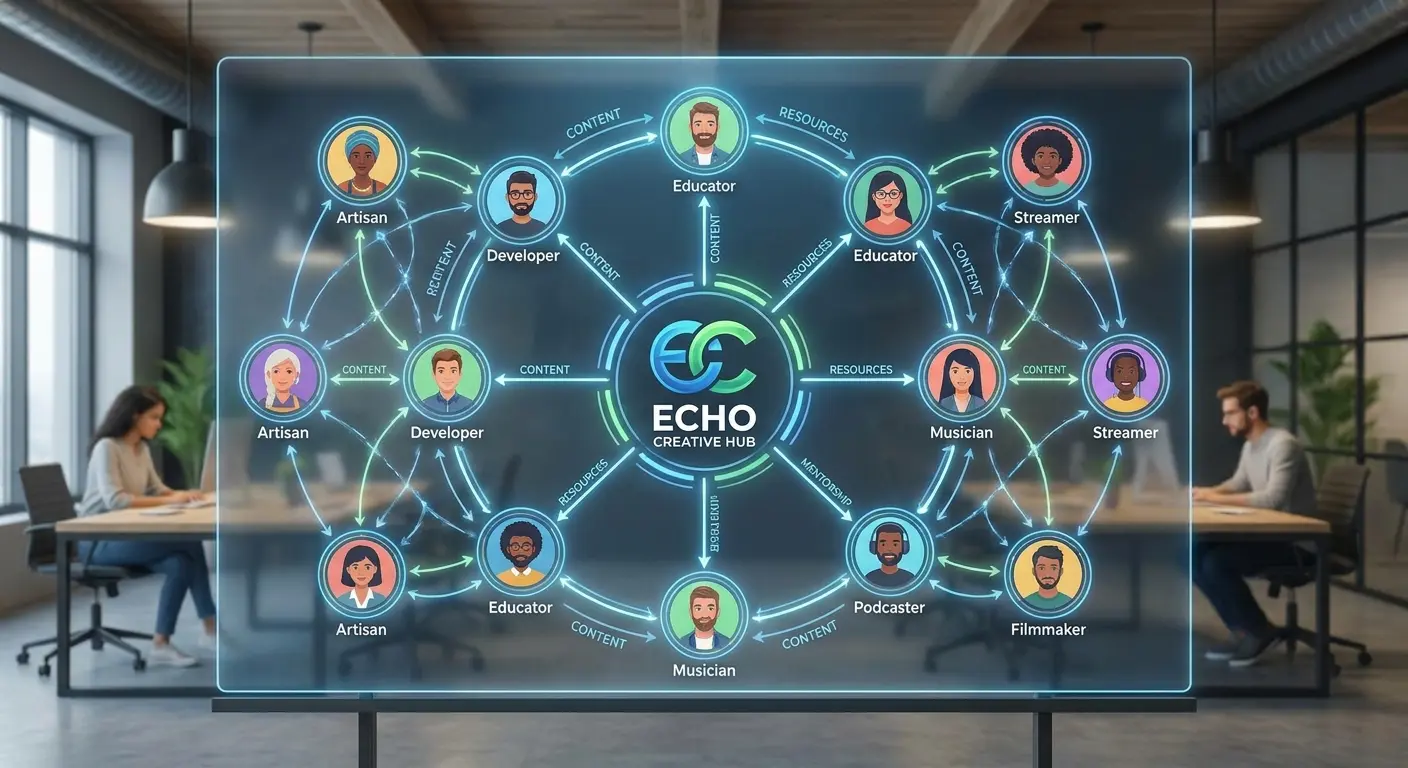
You identify 15-30 creators who align with your brand and build ongoing relationships with them. They become your go-to partners for different content needs, different product launches, different audience segments. You’re not starting from zero with each campaign because the relationship infrastructure already exists.
These networks function somewhere between traditional influencer partnerships and brand ambassador programs, but with more flexibility than the latter typically allows. Creators in your network might work with you monthly, quarterly, or opportunistically depending on what makes sense for both parties. The commitment is to the relationship, not to a fixed posting schedule.
The operational benefits are immediate. You dramatically reduce sourcing time because you’re working with known partners. Negotiations become simpler because you’ve established rate structures and terms. Briefing is faster because creators already understand your brand voice, your product benefits, and your content standards. Approval cycles shrink because you trust their creative judgment.
Quality improves too. Creators who work with you repeatedly develop genuine product knowledge. They understand what resonates with their audience in the context of your brand. They can create more authentic content because they’re not faking enthusiasm for a product they just discovered last week.
Your network should be structured intentionally. You want diversity in audience demographics, content styles, platform strengths, and production capabilities. Some creators might be video specialists. Others excel at photography. Some have audiences that skew younger, others older. Some are great for product launches, others for educational content.
Maintaining the network requires intentional effort. Regular check-ins even when you’re not running active campaigns. Early access to new products. Invitations to brand events or product development sessions. Fair compensation that acknowledges the relationship value, not just individual deliverables. Transparency about your marketing direction and how they fit into it.
Some brands formalize this with retainer arrangements. Others keep it more fluid but maintain consistent communication and prioritize network creators when
Some brands formalize this with retainer arrangements. Others keep it more fluid but maintain consistent communication and prioritize network creators when opportunities arise. The structure matters less than the commitment to building something ongoing rather than transactional. This approach to influencer marketing strategy transforms how you operate, shifting from constant recruitment mode to relationship management mode, which is far more efficient and effective.
The Measurement Problem Nobody Wants to Solve
Brands love talking about their influencer marketing metrics. Engagement rates, reach, impressions, video views. These numbers are easy to report and they usually look good in decks. They’re also mostly meaningless for understanding business impact.
The measurement problem in influencer marketing isn’t technical. We have the tools to track conversions, attribute sales, and measure incremental lift. The problem is that proper measurement often reveals that campaigns didn’t work as well as everyone wanted to believe. So brands default to metrics that tell a better story, even when those metrics don’t connect to business outcomes.

Engagement rate is the worst offender. A post with a 5% engagement rate sounds impressive until you realize that 80% of that engagement is coming from the creator’s existing fans who were never gonna buy your product anyway. You’re measuring activity, not influence. You’re tracking social behavior, not purchase intent.
Reach and impressions have similar issues. They tell you how many people saw the content but nothing about whether those people cared, remembered it, or changed their behavior because of it. You can reach 10 million people and move zero units.
Proper measurement requires connecting influencer activity to actual business outcomes. That means tracking conversions through affiliate links or promo codes. It means running brand lift studies to measure awareness and perception changes. It means using incrementality testing to understand what would have happened without the influencer campaign.
This level of measurement is harder and more expensive. It requires better tracking infrastructure. It demands longer time horizons because influence doesn’t always translate to immediate purchase. It produces results that are sometimes disappointing, which creates organizational resistance.
I’ve seen brands invest hundreds of thousands in influencer marketing but refuse to spend $15,000 on proper measurement because they don’t don’t want to know if it actually worked. They’d rather report vanity metrics that suggest success than implement measurement that might reveal failure.
The brands that embrace rigorous measurement gain a real advantage. They learn what actually drives results. They stop wasting money on tactics that look good but don’t perform. They optimize toward business impact rather than social metrics.
A proper measurement framework includes both leading and lagging indicators. Leading indicators might include engagement quality (comments that show genuine interest versus generic emojis), audience relevance (what percentage of the creator’s audience matches your target customer), and content quality (does this content meet the standard where we’d want to use it in paid media?). Lagging indicators focus on conversions, sales lift, customer acquisition cost, and lifetime value of customers acquired through influencer channels.
You should also measure at multiple time horizons. Immediate impact (what happened in the 48 hours after the post?), short-term impact (what happened over the following month?), and long-term impact (how did this affect brand awareness and consideration over six months?). Different types of influencer content drive value at different time scales. This is where social media influencer marketing separates itself from traditional advertising. The effects compound and evolve over time rather than peaking at the moment of exposure.
What Happens When You Stop Treating Influencers as Distribution Channels
The distribution channel mindset leads to specific behaviors. You select creators based on follower count. You write prescriptive briefs that dictate exactly what they should say. You compensate based on reach. You measure success by impressions and engagement. You move on to the next creator once the campaign ends.
When you stop thinking this way, everything changes.
Creator selection starts with content quality and production capabilities rather than audience size. You’re looking for creators who can produce assets you’d be proud to use across your entire marketing ecosystem. You care about their creative vision, their production values, and their ability to tell stories that resonate. Platforms like Collabstr have made it easier to evaluate creator portfolios beyond vanity metrics, allowing brands to assess actual creative capability.
Briefing becomes collaborative rather than prescriptive. You share your marketing objectives and brand guidelines, but you give creators creative freedom to achieve those objectives in ways that feel authentic to their style and their audience. You’re hiring them for their creative judgment, not just their follower count.
This requires trust, which makes creator selection even more critical. You need to work with creators whose judgment you trust and whose values align with yours. The first collaboration might require more oversight, but by the third or fourth partnership, you should be able to brief them on objectives and let them run.

Compensation shifts from rate cards based on follower counts to value-based pricing that accounts for content quality, usage rights, and relationship depth. A creator with 50,000 followers who produces cinema-quality video content might command higher rates than a creator with 500,000 followers who shoots everything on their phone in poor lighting. You’re paying for the asset value, not just the distribution. Services like Collabstr have helped standardize some of this pricing transparency, though the best deals still come from direct relationships.
This home goods brand I worked with shifted their creator compensation model from follower-based pricing to value-based pricing. Previously, they paid creators $100 per 10,000 followers for a single post. Under the new model, they evaluated creators on production quality, content versatility, and alignment with brand aesthetics.
They ended up paying a creator with 75,000 followers $12,000 for a content package that included full usage rights because her photography was exceptional and her styling matched their brand perfectly. That content ran in paid ads for 14 months, appeared on 12 product pages, was featured in six email campaigns, and the paid media alone generated $340,000 in attributed revenue. A follower-based model would have priced that partnership at $750.
This also means being willing to pay for content even when it’s not tied to an immediate social post. You might commission a creator to produce video assets for your paid media campaigns without requiring them to post anything on their own channels. You’re leveraging their creative skills and authentic voice, not necessarily their audience. This approach, which requires rethinking your entire marketing case study approach, fundamentally changes the economics of creator partnerships.
Relationship management becomes ongoing rather than campaign-based. You maintain regular contact with your key creator partners. You involve them in product development conversations. You give them advance notice of upcoming launches so they can plan their content calendars accordingly. You treat them as partners rather than vendors.
The results of this shift are measurable. Brands that make this transition see higher content quality, better performance in paid media, stronger audience response, and more efficient spending. They build competitive advantages that are hard to replicate because they’re based on relationships and trust rather than just budget.
Most importantly, they create content ecosystems that generate value long after the initial campaign ends. A single creator partnership might produce assets that drive conversions for 18 months across multiple channels. That’s not possible when you’re thinking about influencers as temporary distribution channels. This is where influencer marketing becomes a genuine capability rather than tactical execution.
Building a Sustainable Influencer Strategy
Shifting your influencer marketing approach requires more than just changing tactics. It demands organizational alignment, new processes, and different success criteria.
Start with an honest audit of your current state. How are you currently selecting creators? What does your typical brief look like? How are you measuring success? What happens to creator content after the initial post? How many creators have you worked with more than once?
These questions reveal where you’re operating from an advertising mindset versus a media company mindset. Understanding the definition of influencer marketing from a perspective that’s actually useful, rather than just tactical, is the first step.
Most brands discover significant gaps. They’re not capturing usage rights that would allow content repurposing. They’re not tracking which creators drive actual conversions. They’re not maintaining relationships between campaigns. They’re optimizing for metrics that don’t connect to business goals.
Closing these gaps requires cross-functional collaboration. Your influencer marketing team needs to work closely with paid media teams (to ensure creator content can be used in ads), e-commerce teams (to track conversions and optimize product pages), email marketing teams (to incorporate creator content into campaigns), and creative teams (to maintain brand standards while giving creators freedom).
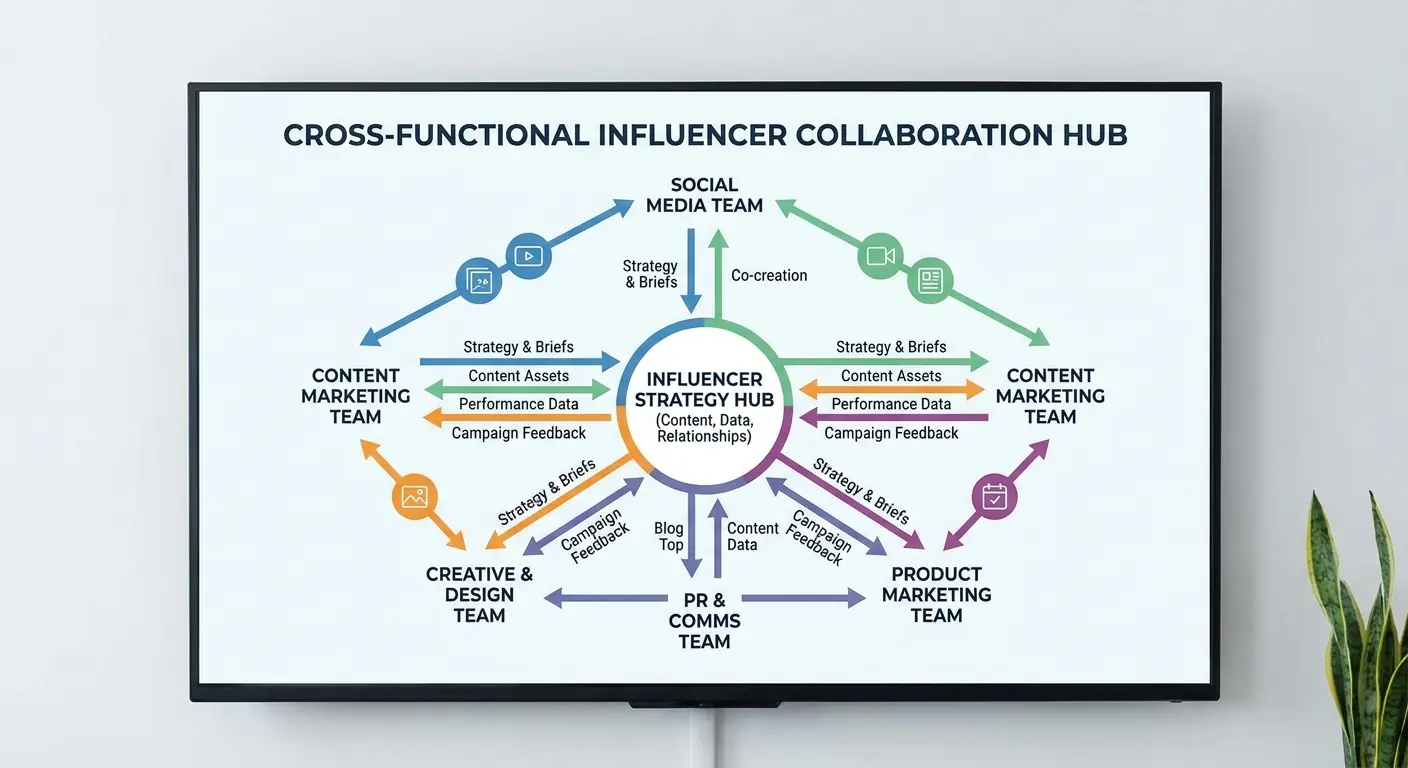
You’ll also need better tools and infrastructure. A content management system for organizing and tagging creator assets. Analytics platforms that can track conversions across channels. Influencer platforms that help you analyze audience overlap and manage relationships. These investments pay for themselves quickly once you’re operating at scale.
Organizational resistance often comes from teams that are comfortable with the status quo. Your paid media team might resist using creator content because it looks different from traditional ads. Your legal team might push back on usage rights negotiations. Your finance team might question why you’re paying creators when there’s no immediate campaign.
Overcoming this resistance requires demonstrating results. Run small tests that prove creator content outperforms traditional creative in paid media. Show the efficiency gains from working with the same creators repeatedly. Calculate the cost per unique reach when you properly account for audience overlap. Build the business case with data, not just theory, similar to developing a comprehensive digital marketing strategy that aligns all stakeholders.
You should also expect this transition to take time. You’re not gonna rebuild your entire influencer marketing operation overnight. Start by implementing these principles with a small group of creator partners. Prove the model works. Then expand gradually as you build confidence and capability.
What is influencer marketing at its core? It’s about leveraging authentic voices to create content that resonates with specific audiences. When you understand that definition deeply, you realize the current transactional model misses the point entirely.
When to Bring in Outside Expertise
Some brands have the internal resources and expertise to execute sophisticated influencer marketing strategies. Many don’t, and that’s not a failure. It’s a recognition that influencer marketing has become specialized enough that doing it well requires dedicated focus and specific capabilities.
You might need outside support if you’re struggling to move beyond campaign-based thinking. If your team is stuck in transactional relationships with creators and can’t figure out how to build something more meaningful, bringing in expertise that’s done this before accelerates your progress significantly.
You might need help if you’re not seeing ROI from your influencer investments. If you’re spending six figures on influencer marketing but can’t connect that spending to business outcomes, something’s broken in your approach, execution, or measurement. Outside perspective can identify the gaps and fix them.
You might need support if you lack the infrastructure to execute at scale. Building creator networks, negotiating complex usage rights, repurposing content across channels, and implementing proper measurement all require systems and processes that many brands don’t have in place. While platforms like Collabstr can help streamline creator discovery and basic campaign management, comprehensive Collabstr influencer marketing strategies still require oversight that knows what it’s doing.
The key is finding partners who understand the reframe outlined here, not just agencies that will execute more of the same campaign-based approach you’re already doing. You want expertise that challenges your assumptions and helps you build something sustainable, not just vendors who will take your brief and find some creators.
Look, I’ve been doing this for eight years, and I can tell you most brands are leaving money on the table. They’re optimizing for the wrong things, measuring the wrong metrics, and building the wrong relationships. The opportunity is still real for brands willing to think differently.
This shift isn’t easy. It requires new processes, different metrics, organizational alignment, and patience to build relationships that compound over time. But the brands making this transition are seeing results that justify the effort. Better content. Lower customer acquisition costs. Stronger brand affinity. More efficient spending.
The opportunity is still huge. Most brands haven’t figured this out yet, which means there’s room to gain significant advantage by getting it right while your competitors are still chasing engagement rates and follower counts. Working with the right social media influencer partners as true collaborators rather than temporary distribution channels creates lasting value.
You don’t need a bigger budget to implement these principles. You need a different mindset and the willingness to prioritize long-term value over short-term metrics. Start with one creator relationship that you commit to building over time. Negotiate usage rights that let you repurpose their content. Measure what actually matters to your business. Build from there, which requires the same discipline as any enterprise marketing initiative.
The future of influencer marketing isn’t about finding the next viral moment or the creator with the biggest following. It’s about building approaches to creator partnerships that generate compounding value over time. The brands that understand this will win.