

You’ve seen the charts. Peak posting times. Optimal windows. The endless debate between 7 AM and 9 PM.
But here’s the thing everyone screws up while obsessing over clock hands: TikTok doesn’t care what time you post nearly as much as you think it does. The algorithm prioritizes engagement velocity and completion rates over timestamps. I’m going to show you what actually matters when timing your content, and it has less to do with universal “best times” and more to do with your specific audience behavior patterns and content testing cycles.
Understanding the best time to post on TikTok requires unlearning most of what you’ve read. The platform operates on principles that contradict conventional social media wisdom. While other platforms might reward posting during high-traffic windows, TikTok’s recommendation system functions differently. Your success depends on triggering algorithmic distribution through early engagement, not broadcasting to the largest possible audience at once.
TL;DR
- Universal “best times” ignore how TikTok’s algorithm prioritizes early engagement velocity over posting timestamps
- Your audience’s receptivity to specific content types matters more than their general availability
- The first 60 minutes after posting determine whether TikTok pushes your content to wider audiences
- Different content formats perform better at different times based on user intent and mindset
- Algorithmic trust builds through posting consistency, not just optimal timing
- Systematic testing across multiple variables reveals personalized timing windows
- Knowing when NOT to post prevents wasted content and preserves posting consistency
- Sustainable rhythms outperform sporadic “perfect timing” approaches
The best time to post on TikTok isn’t found in generic charts. It’s discovered through systematic testing of your specific audience’s behavior patterns. Different posting times produce different results for different creators, even within the same niche. The goal is identifying when your followers are most likely to engage immediately after you publish.
The Myth of Universal Posting Times
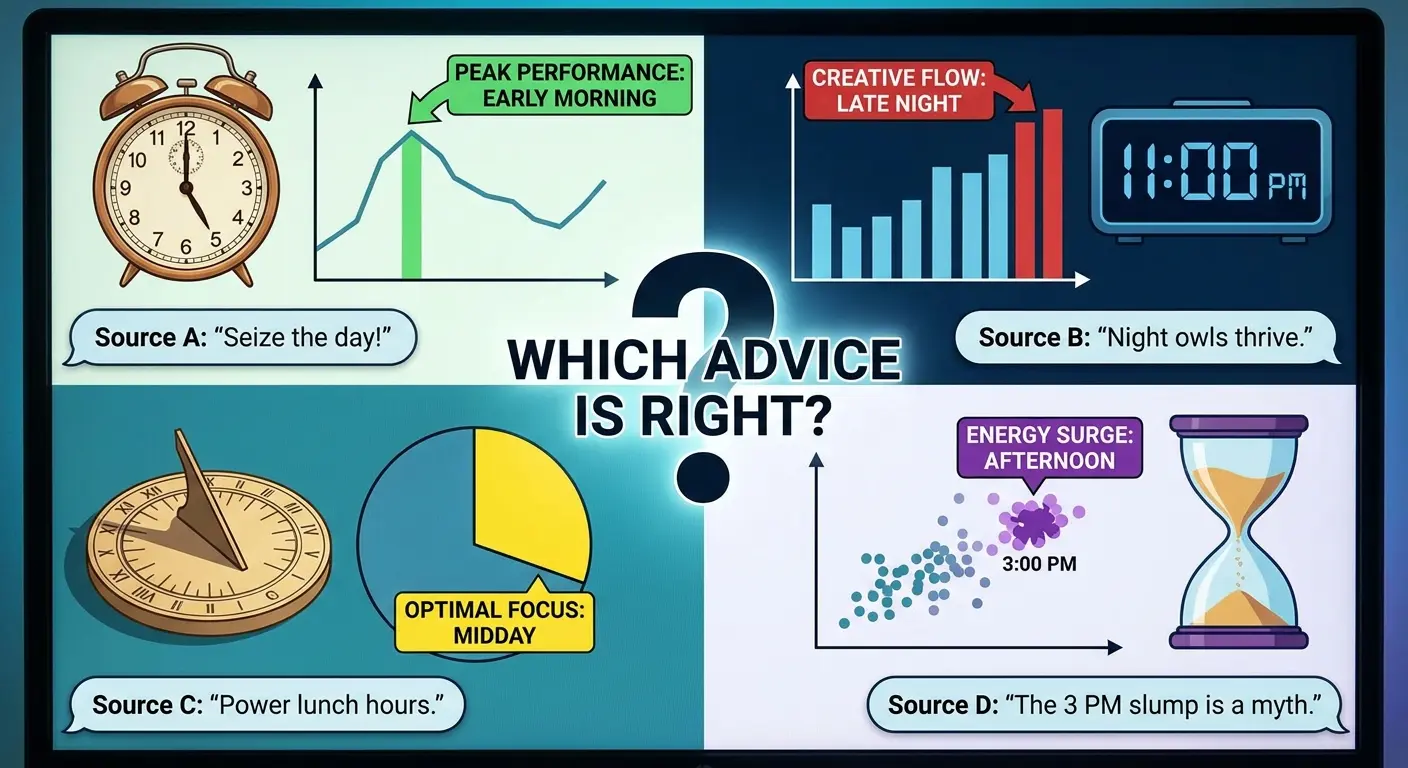
Every marketing blog tells you to post between 6-9 PM on weekdays. Then another says 7-11 AM performs better. A third swears by Tuesday and Thursday mornings.
They can’t all be right, but they’re also not all wrong. Which is kind of the whole problem.
These studies aggregate data across millions of accounts with completely different audiences, content types, and engagement patterns. When you average that much variation, you get meaningless middle ground. A B2B SaaS company and a teenage dance creator don’t share an optimal posting window just because they both use TikTok.
Look, the research is fine. It just doesn’t mean anything for YOUR account.
Generic timing studies measure platform-wide activity levels, not your specific audience’s behavior. High overall platform traffic doesn’t guarantee your followers are active, engaged, or in the right mindset for your content type. Finding the best time to post on TikTok requires looking at your analytics, not industry averages.
Take two fitness creators as an example. Creator A built their audience through early morning workout routines targeting professionals who exercise before work. Their followers are active between 5-7 AM, scrolling for motivation while drinking coffee. Creator B focuses on evening yoga and stress relief, attracting people who wind down after work. Their audience peaks between 8-10 PM.
Both are fitness creators, both have engaged audiences, but their optimal posting windows are five hours apart. Generic advice telling both to post at 2 PM serves neither of them.
Your audience might scroll TikTok during their lunch break while everyone else’s audience scrolls before bed. That difference matters more than any generalized study can account for. The best times to post on TikTok for your account exist within your own data, waiting for you to analyze it properly.
Start gathering information about when YOUR audience responds to YOUR content. Track engagement patterns over several weeks. Notice which videos posted at different times generate immediate traction versus those that struggle to gain momentum.
How TikTok’s Algorithm Actually Processes Timing
The algorithm isn’t sitting there with a clipboard going “ah yes, 7 PM, excellent choice.” It’s watching what happens after you post. How fast do people engage with your content after it goes live?
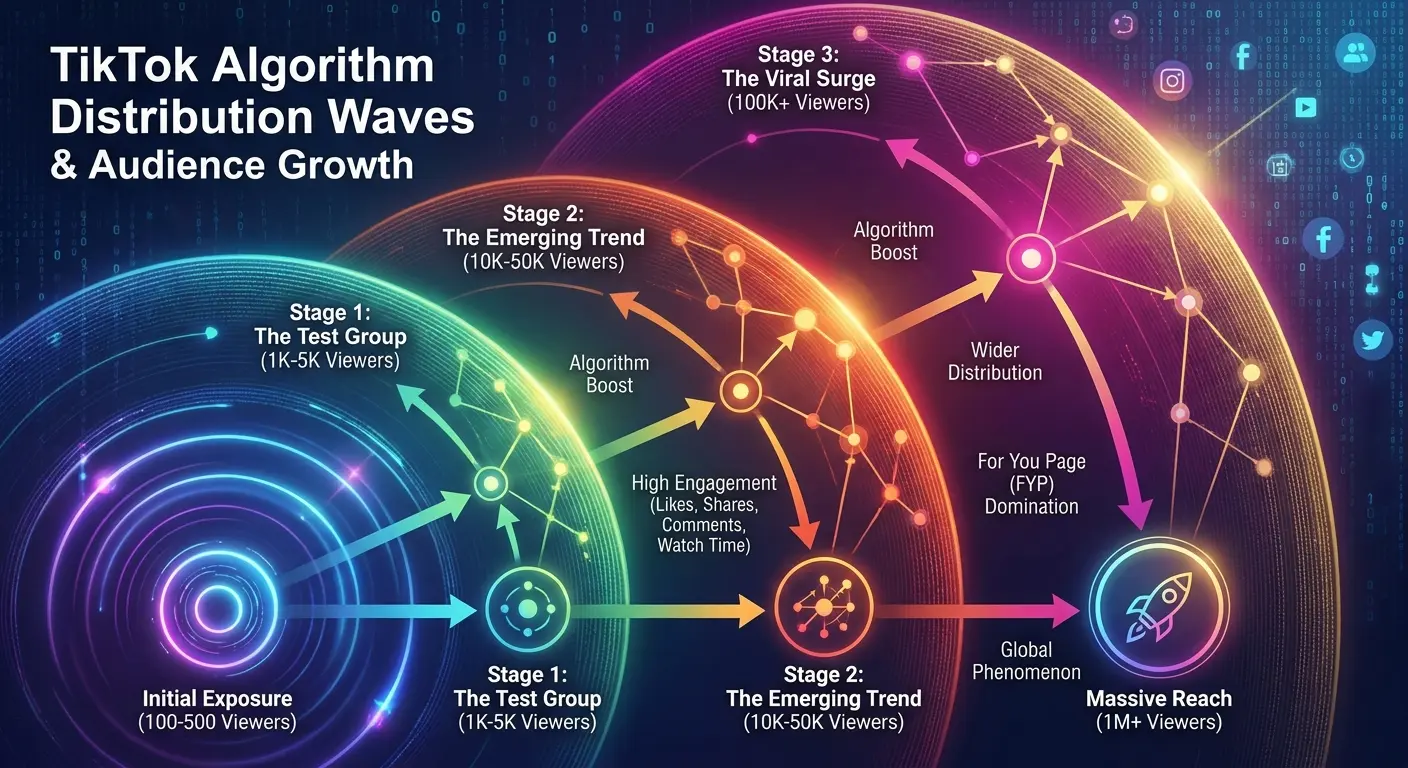
When you post, TikTok shows your video to a small test audience, typically 100-500 people. The algorithm measures completion rate, likes, comments, shares, and how quickly these actions happen. Strong early performance signals that your content deserves wider distribution. This initial evaluation process determines whether your video reaches hundreds of viewers or hundreds of thousands.
You don’t need to post when the entire platform is active. You need to post when enough of YOUR engaged followers are active to create immediate momentum. If you post at 3 AM and your core audience happens to be active then, you’ll get better results than posting at “optimal” 7 PM when they’re not around.
The For You Page distribution happens in waves. Initial test group, then broader distribution if performance metrics hit certain thresholds, then potentially viral distribution if engagement remains strong. A video that doesn’t gain traction in the first few hours rarely recovers, regardless of when you posted it.
Understanding the best time to post on TikTok means understanding these distribution waves. Your timing strategy should focus on triggering that first wave successfully. Everything else follows from there.
|
Distribution Wave |
Typical Audience Size |
Key Metrics Evaluated |
Timeframe |
|---|---|---|---|
|
Initial Test |
100-500 viewers |
Completion rate, immediate engagement velocity |
First 1-2 hours |
|
Secondary Push |
1,000-10,000 viewers |
Sustained engagement rate, shares, saves |
Hours 2-6 |
|
Broader Distribution |
10,000-100,000+ viewers |
Continued strong performance across all metrics |
Hours 6-24 |
|
Viral Potential |
100,000+ viewers |
Exceptional engagement, high share rate, trending signals |
24+ hours |
Posting when your most engaged followers are active matters infinitely more than posting when the most total users are active. You need that initial velocity to trigger algorithmic distribution. The times to post on TikTok that work best are those when your core audience can provide immediate engagement signals.
Audience Availability vs. Audience Receptivity
Your followers might be on TikTok at 8 AM, but are they ready for your content?
Just because your audience is ON TikTok doesn’t mean they’re in the right headspace for your stuff. This distinction separates creators who consistently hit their targets from those who post into the void despite “perfect” timing.
Someone scrolling during their morning commute is in a different headspace than someone scrolling before bed. Morning scrollers often want quick hits, entertainment, news updates. Evening scrollers might be more receptive to longer content, tutorials, or emotionally engaging stories. The context surrounding their scrolling session influences what they’re willing to watch and engage with.
Educational content often performs better during traditional “downtime” hours like lunch breaks or early evening when people have mental bandwidth to learn something. Entertainment content can thrive during any high-traffic period. Inspirational or emotional content sometimes performs best in early morning or late night when people are more reflective.
A cooking tutorial might flop at 7 AM but perform well at 4 PM when people are thinking about evening meals. A motivational video might resonate at 6 AM when people are starting their day but feel generic at 9 PM. Determining when to post on TikTok requires considering not just audience presence but audience mindset.
I worked with a personal finance creator who discovered this the hard way. They posted budgeting tips at 8 PM on weekdays when their analytics showed peak follower activity. Performance was mediocre. After testing different windows, they found that the same content posted at 12:30 PM (lunch break) generated 60% higher engagement.
Their audience was available at both times, but only receptive to financial planning content when they had mental energy to process it, not when they were unwinding after work.
Use a TikTok engagement rate calculator to track not just when people watch your videos, but which types of content perform better at different times. The best time to post on TikTok varies based on what you’re posting, not just when you’re posting it.
The First Hour Window That Actually Matters
The first hour after you post isn’t just important. It basically decides everything for most videos.
TikTok’s algorithm makes its major distribution decisions based on how your content performs in this initial window. Strong completion rates, quick engagement, and positive signals tell the algorithm to push your video to more people. Weak performance means your video stays in the small test pool and fades away.
You want to post when enough engaged followers will see your content immediately to generate that crucial early momentum. Even 20-30 highly engaged viewers in the first 15 minutes can be enough to trigger broader distribution. The algorithm doesn’t need massive numbers initially. It needs strong signals.
Check your TikTok Analytics to see when your followers are most active. But don’t just look at the highest traffic hour. Look for windows when you have consistent, reliable audience presence. A smaller but more engaged group beats a larger but passive audience every time.
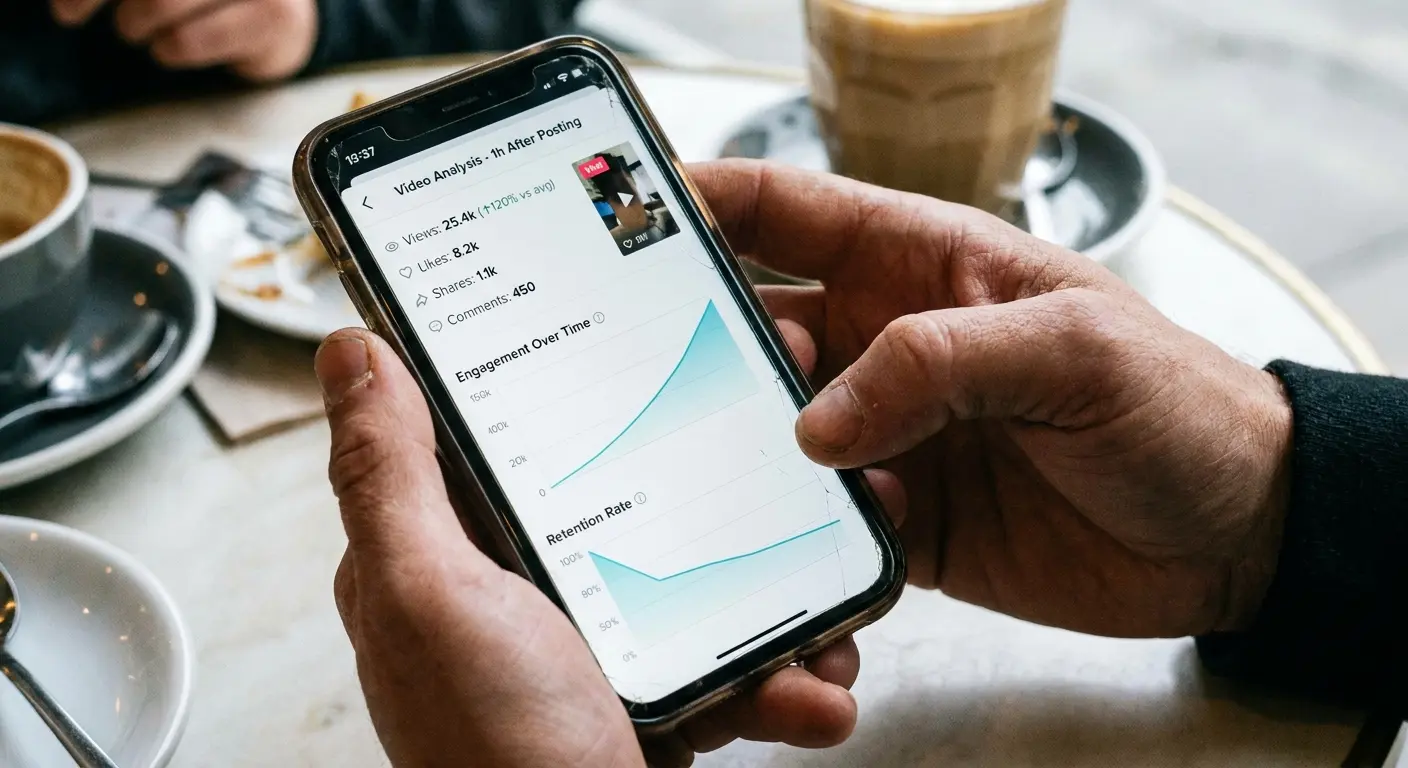
Here’s what I do in that first hour: I stay on the app. Sounds obvious, but I’m actively commenting back, engaging with other stuff, basically showing the algorithm I’m present. Usually give it 30 minutes, check the numbers, and I can tell pretty fast if it’s gonna hit or not.
The first hour also reveals whether your content is working. If you’re not seeing any traction within 60 minutes, the video probably won’t take off. This early feedback helps you adjust your strategy quickly rather than waiting days to assess performance. Finding the best time to post on TikTok becomes easier when you can measure first-hour performance consistently.
First Hour Optimization Checklist:
- Post during a window when at least 15-20% of your engaged followers are typically active
- Clear your schedule for 30 minutes post-publication to stay active on the app
- Respond to every comment within the first 15 minutes to boost engagement signals
- Monitor completion rate and engagement velocity in real-time through analytics
- Engage with 5-10 other creators’ content immediately after posting to signal platform activity
- Check performance at the 30-minute and 60-minute marks to assess trajectory
- If engagement is weak by 60 minutes, analyze what went wrong before your next post
- Document first-hour performance data for each post to identify patterns over time
Different posting times produce different first-hour results. Testing various windows while following this checklist helps you identify which times consistently generate strong early momentum.
Content Type Determines Optimal Timing
Not all your content should go out at the same time. Different video types need different timing strategies.
Look, educational content is WAY more timing-dependent than entertainment. If you’re doing tutorials, timing matters a lot. Comedy? Less so. Post your dance videos whenever.
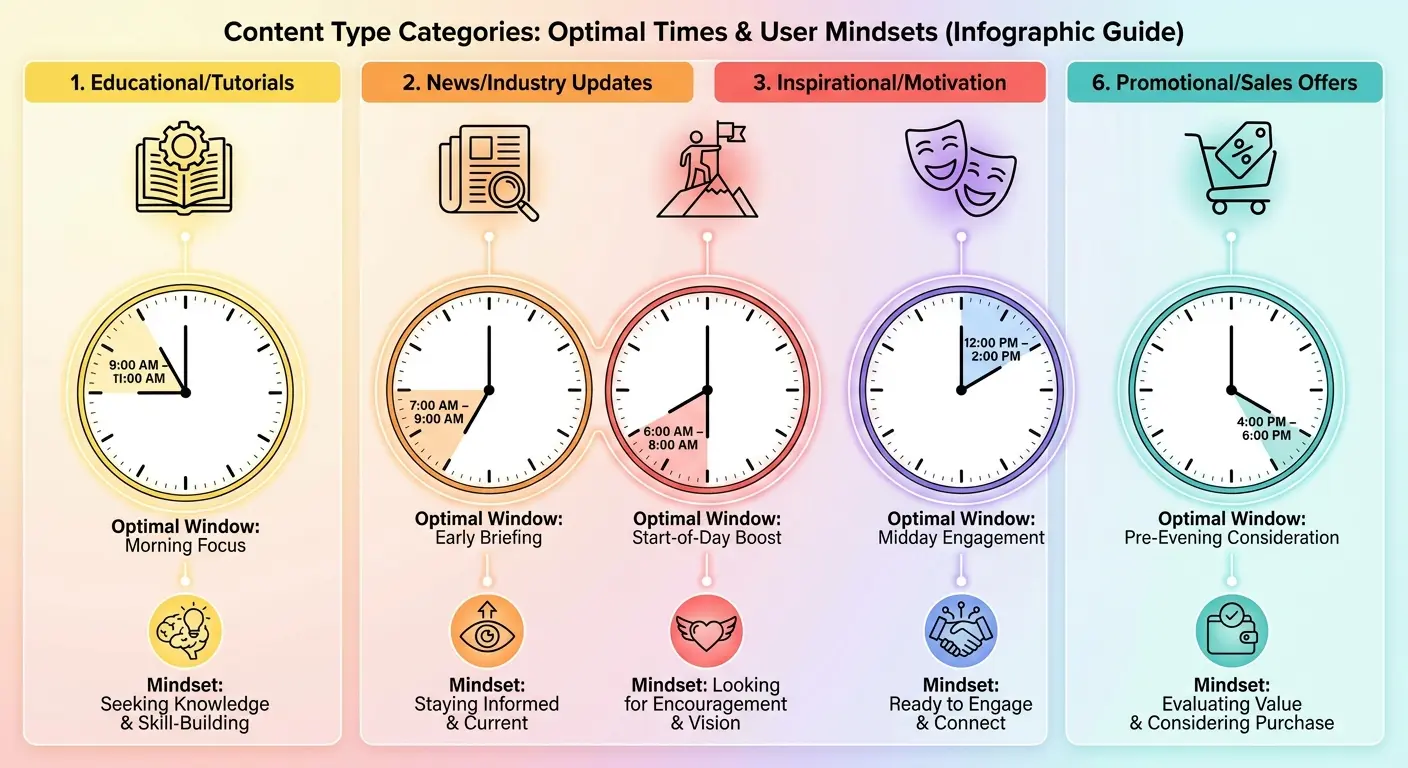
Educational content like tutorials, how-tos, and explanations often performs better when people have time and mental bandwidth. Mid-morning, lunch hours, and early evening tend to work well. People scrolling during quick breaks might skip longer educational content that requires focused attention.
Entertainment content including comedy, trends, and dances can thrive during any high-traffic period. People seek entertainment throughout the day, and these videos require less mental investment. The barrier to engagement is lower, making timing less critical for pure entertainment.
Product showcases and reviews perform better when people are in shopping or research mode. Late morning and evening hours often work well, particularly on weekends. Posting product content at 6 AM usually misses the mark because few people are thinking about purchases that early.
Inspirational or motivational content resonates during transition times. Early morning, lunch, and evening create natural moments when people are receptive to motivational messages. These videos tap into psychological states that occur at predictable times throughout the day.
|
Content Type |
Optimal Time Windows |
User Mindset |
Avoid Posting |
|---|---|---|---|
|
Educational/Tutorials |
11 AM-1 PM, 6-8 PM |
Learning mode, mental bandwidth available |
Early morning, late night |
|
Entertainment/Comedy |
7-9 AM, 12-2 PM, 6-10 PM |
Seeking distraction, quick dopamine hits |
No major restrictions |
|
Product Reviews |
10 AM-12 PM, 7-9 PM, weekends |
Research mode, shopping consideration |
Very early morning |
|
Motivational/Inspirational |
6-8 AM, 12-1 PM, 9-10 PM |
Reflective, seeking encouragement |
Mid-afternoon |
|
Behind-the-Scenes |
7-10 PM |
Connection-seeking, deeper engagement |
Morning rush hours |
|
News/Current Events |
7-9 AM, 5-7 PM |
Information-gathering, staying informed |
Late night |
Track which content types perform best at different times in YOUR account. Create a simple spreadsheet: content type, posting time, performance metrics. Patterns will emerge, and you can schedule specific content types strategically.
The best time to post on TikTok for educational content differs from the best time to post on TikTok for entertainment. Recognizing these differences and adjusting your schedule accordingly improves overall performance. You’re not just optimizing timing. You’re matching content to context.
Some creators make the mistake of posting all content types at the same time because that’s when their overall traffic peaks. This approach ignores how user intent shifts throughout the day. Your 7 PM audience might love entertainment but skip educational content. Your noon audience might engage deeply with tutorials but scroll past comedy sketches.
Segment your content strategy by type, then optimize times to post on TikTok for each category separately. This specific approach requires more planning but produces significantly better results than one-size-fits-all scheduling.
The Role of Consistency in Algorithmic Trust
TikTok’s algorithm rewards reliability. Accounts that post consistently get better treatment than accounts that post sporadically, even if the sporadic posts hit “perfect” timing.
Consistency signals to the algorithm that you’re a serious creator worth investing in. When you establish a pattern, the algorithm learns to expect your content and primes your audience to look for it. Your followers start anticipating your posts, which can improve early engagement.
This doesn’t mean you need to post daily. It means you need a sustainable rhythm that you can maintain. Posting Monday, Wednesday, Friday at 4 PM consistently beats posting whenever you feel like it at “optimal” times.
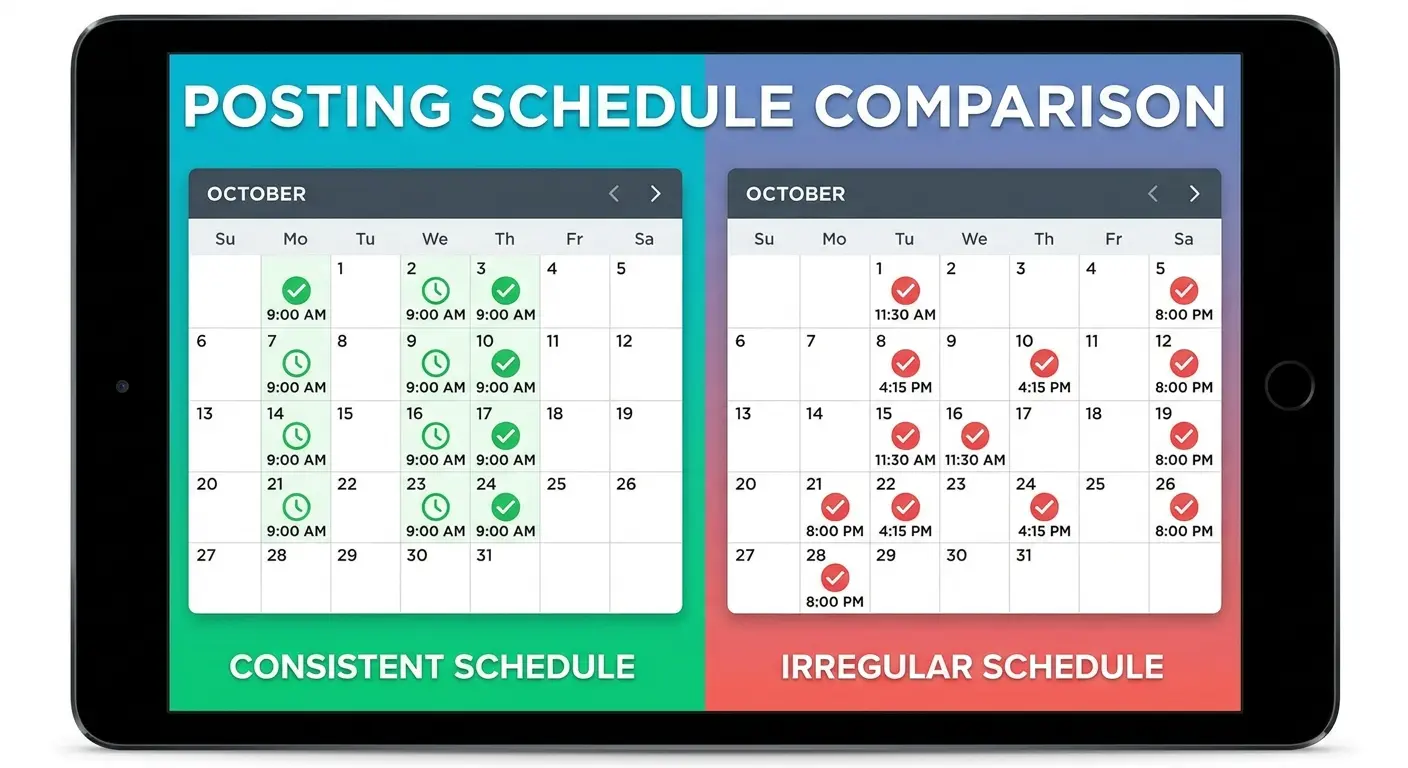
Inconsistent posting creates algorithmic uncertainty. If you post three times one week, then disappear for ten days, then post five times in two days, the algorithm doesn’t know how to treat your account. Distribution becomes unpredictable because your account doesn’t demonstrate reliability.
I worked with a small business owner selling handmade jewelry who struggled with inconsistent posting, publishing 8-10 videos when inspiration struck, then going silent for weeks. Average video views hovered around 300. After committing to a consistent schedule of Tuesday and Thursday at 5 PM (not even their highest traffic window), their average views climbed to 1,200 within six weeks.
The content quality didn’t change. The timing wasn’t perfect. But the consistency built algorithmic trust that translated into better distribution.
Choose a posting frequency and timing that you can sustain for months. One quality post at a consistent time beats seven posts scattered randomly across the week. The best time to post on TikTok is a time you can commit to repeatedly, not a theoretical perfect moment you can only hit occasionally.
Algorithmic trust compounds over time. Each consistent post reinforces the algorithm’s confidence in your account. This trust shows up as better initial distribution, more favorable testing pools, and increased likelihood of broader reach. Building this trust requires patience and discipline, but the payoff is substantial.
Posting times matter less than posting patterns. A creator who posts every Tuesday at 3 PM will eventually outperform a creator who posts at randomly “optimal” times because the algorithm learns to trust the consistent creator’s reliability.
Testing Frameworks That Reveal Your Real Windows
Okay, real talk: stop guessing and actually test this stuff.
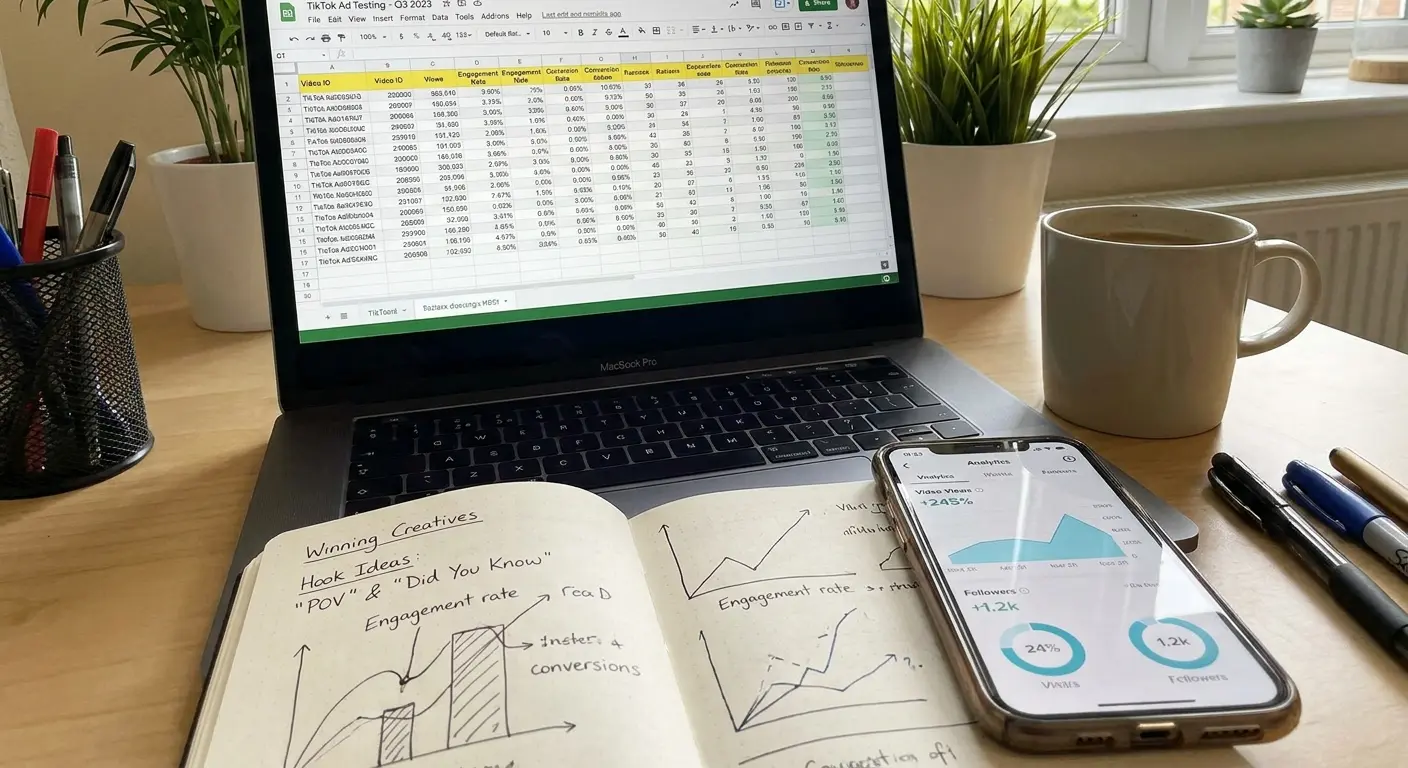
Run controlled tests where timing is the only variable. Create similar content and post at different times across a two-week period. Track performance metrics: views in the first hour, total views at 24 hours, engagement rate, completion rate. This data reveals patterns that generic advice can’t provide.
Test different time blocks: morning (6-9 AM), midday (11 AM-2 PM), afternoon (3-5 PM), evening (6-9 PM), and night (9 PM-12 AM). Post the same content type in each block on different days. After two weeks, analyze which blocks consistently outperform others.
Don’t test everything at once. Focus on one variable at a time. Look at multiple metrics, not just total views. A video that gets 50,000 views but low engagement might have been pushed despite poor timing. A video with 10,000 views but high completion rates might indicate better timing for your core audience.
The best time to post on TikTok on Monday might differ from the best time to post on TikTok on Tuesday. Weekday patterns often vary based on work schedules and daily routines. Testing each day separately reveals these nuances.
Wednesday typically sees different engagement patterns than Friday. The best time to post on TikTok on Wednesday often aligns with mid-week routines, while the best time to post on TikTok on Thursday might shift as people anticipate the weekend. Friday engagement patterns change entirely as users enter weekend mode, making the best time to post on TikTok on Friday distinct from earlier weekdays.
Here’s roughly what I do when testing (you should document this better than I do, honestly):
Week 1: Post educational content at 11 AM, 2 PM, 6 PM, and 9 PM across four different days. Track everything.
Week 2: Repeat with entertainment content at the same times.
Week 3: Take your best-performing time from weeks 1-2 and test slight variations. If 6 PM worked, try 5:30 PM, 6 PM, and 6:30 PM.
Week 4: Confirm your findings by posting at your “winner” time consistently.
After four weeks of consistent testing, patterns become clear. You’ll see which time blocks consistently generate strong first-hour engagement and which consistently underperform. This data is specific to your account, your audience, your content. No generic study can provide this level of personalization.
Retest every quarter. Audience behavior shifts with seasons, life changes, and platform evolution. What worked in January might not work in July. Your audience might develop new routines, their demographics might shift, or platform usage patterns might change. Regular retesting keeps your strategy aligned with current reality.
Document everything. Memory fails, but data doesn’t. A simple spreadsheet tracking posting time, content type, and performance metrics creates a valuable knowledge base. Over time, you’ll spot patterns that would be invisible without systematic documentation.
When NOT to Post (The Overlooked Half)
Everyone obsesses over the best times to post. Almost nobody asks: when should I definitely NOT post?
Posting during your worst-performing windows wastes content. You’ve created something valuable, and you’re releasing it when your audience is least likely to engage. That video could have performed well at a better time.
Analyze your TikTok Analytics to identify consistent low-performance windows. You might discover that anything you post between 10 PM and midnight consistently underperforms. Once you identify bad windows, protect your best content from them.
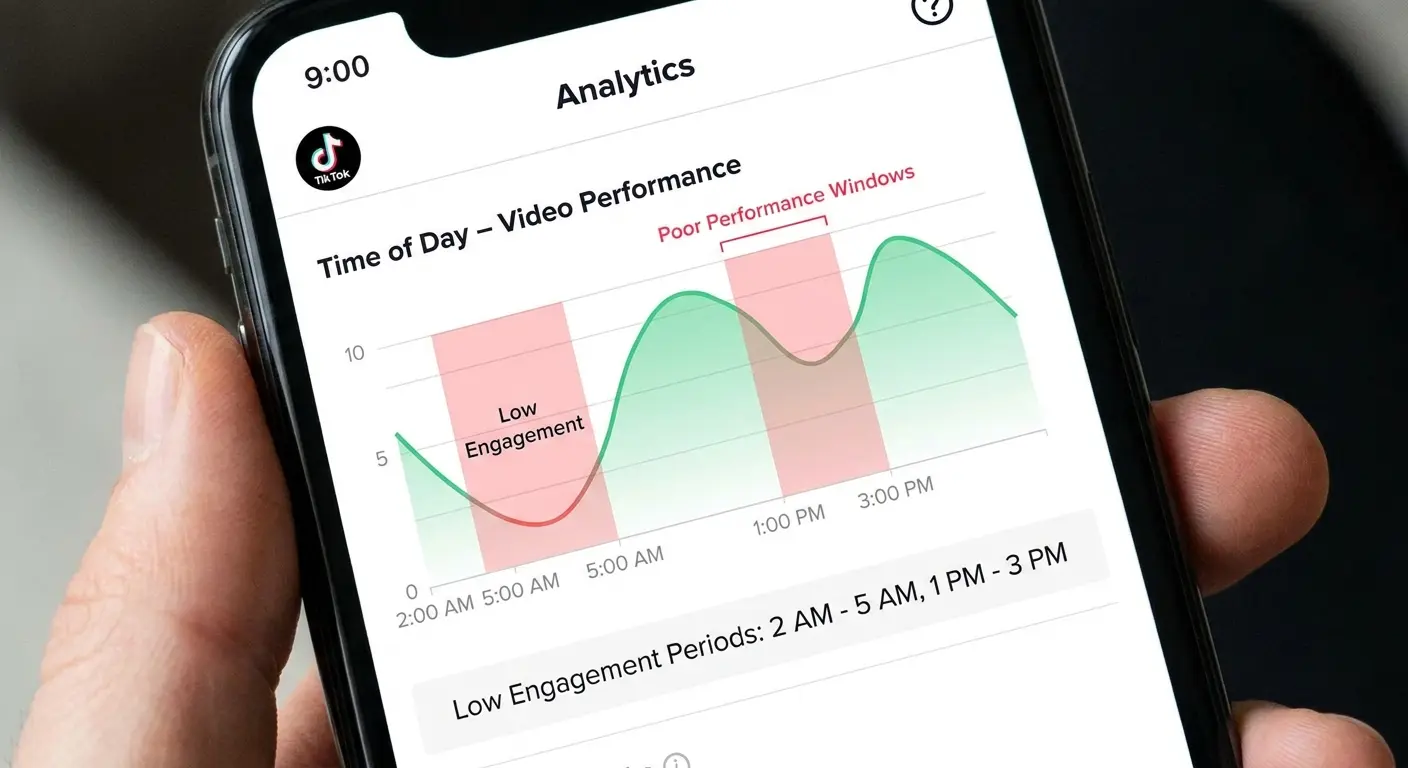
Some creators fall into the trap of posting whenever content is ready. They finish editing a video at 11 PM and immediately publish it, even though their data shows 11 PM is terrible for their audience. Patience pays off. Schedule that video for a better window tomorrow instead of wasting it on a dead zone tonight.
Full disclosure: I sometimes post at random times when I’m impatient. It usually performs worse. I know better, I still do it. We’re all human.
Weekend patterns differ significantly from weekdays. The best time to post on TikTok on Saturday often skews later as people sleep in and change their routines. Sunday engagement, determining the best time to post on TikTok on Sunday, frequently peaks during different hours than weekdays as users prepare for the week ahead. Understanding the best days to post on TikTok requires recognizing these weekend variations.
Major events and holidays also create posting dead zones. Posting during the Super Bowl if you’re not sports-related means competing with massive attention drains. Your audience is watching the game, not scrolling TikTok. Save your content for when you have their attention.
The concept of content waste is real. You have limited time and energy to create. Each video represents an investment of your resources. Strategic timing preservation, saving good content for good windows, maximizes your creative output.
Some creators worry about “missing” a day if they don’t post during a bad window. This thinking is backwards. Posting bad content or posting good content at bad times both damage your account more than waiting for a better opportunity. The algorithm notices when your videos consistently underperform. Why train it to expect poor results from your account?
Build a “do not post” list alongside your optimal posting schedule. Knowing when to hold back is as valuable as knowing when to publish.
Building a Sustainable Posting Rhythm
You’ve gathered data, identified optimal windows, and understand the algorithm. Now you need a posting rhythm you can actually maintain for months.
Here’s what I’ve learned: you can have the perfect posting time, but if you burn out in 3 weeks, who cares? Posting three times weekly at decent times consistently outperforms posting daily at perfect times for three weeks before burning out. I’ve seen too many creators optimize themselves into exhaustion, then disappear from the platform entirely.
Start by assessing how much quality content you can realistically produce. If you can create one strong video per week, build your rhythm around that. Once you know your production capacity, map it to your optimal timing windows. Don’t force yourself into a posting schedule that requires more content than you can sustainably create.
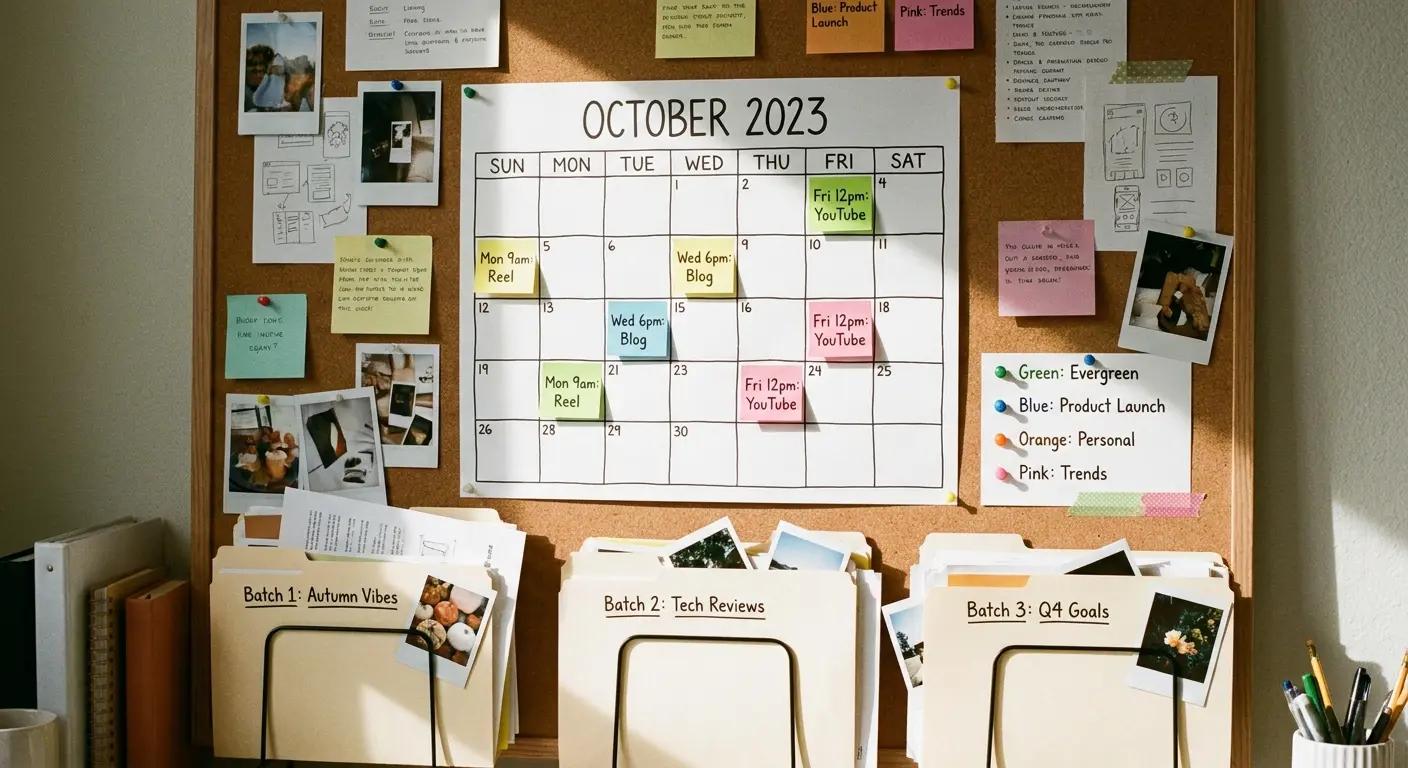
Build content buffers. Create videos in advance so you’re not scrambling to post at optimal times. Having 3-5 videos ready means you can maintain consistency even during busy weeks. Life happens. Work gets hectic. Family emergencies arise. A content buffer protects your posting consistency when life interferes.
Your rhythm should have structure but allow flexibility. Some creators benefit from batching content creation, filming multiple videos in one session then scheduling them throughout the week. Others prefer creating and posting closer together to stay responsive to trends. Personally, I think batching content is superior, but some people hate it. Neither approach is inherently better. Choose what fits your workflow and personality.
The best time to post on TikTok in 2026 might differ from optimal times in previous years as platform usage evolves. Stay flexible and willing to adjust your strategy as data reveals changing patterns. What works today might need refinement tomorrow.
Review and adjust quarterly. Your optimal rhythm in Month 1 might not work in Month 6 as your audience grows or your content evolves. Schedule regular strategy reviews to assess what’s working and what needs adjustment. Treat these reviews as non-negotiable appointments with your business.
Mid-week posting often generates different results than weekend posting. The best time to post on TikTok on Wed frequently falls during lunch hours or early evening, but your specific audience might behave differently. Test your assumptions rather than accepting conventional wisdom.
Okay, this is going to sound like it contradicts what I said earlier about consistency, but sometimes you SHOULD skip your regular posting time if you’ve got trending content. The rules aren’t absolute. If something’s blowing up right now and you can jump on it, do it. Just don’t make exceptions your normal pattern.
Final Thoughts
The best time to post on TikTok isn’t 7 PM on Tuesday. It’s whenever your specific audience is most receptive to your specific content type, and you can maintain that timing consistently enough to build algorithmic trust.
Shortcuts don’t work. I know, boring answer. But you need actual systems. The creators who succeed long-term are those who develop deep understanding of their specific audience rather than chasing universal “hacks” that promise easy answers.
Content quality, engagement, consistency, and understanding your audience all matter more than hitting some theoretically optimal hour. I’ve watched creators obsess over posting at 6:47 PM instead of 7:03 PM while ignoring fundamental content quality issues. That’s not optimization, that’s just theater.
The best time to post on TikTok emerges from your own data, not from aggregated studies of millions of unrelated accounts. Those studies provide starting points for testing, nothing more. Your audience is unique. Your content is unique. Your optimal timing will be unique too.
Use your TikTok Analytics. Test systematically. Build a sustainable rhythm. Optimize for your reality, not someone else’s best practices.
Different posting times produce different results, but those differences only matter if you’re measuring them accurately and adjusting based on real data. Gut feelings and random experimentation won’t cut it. You need structured testing and honest analysis of what the numbers tell you.
The best times to post on TikTok for your account already exist in your analytics. The patterns are there, waiting for you to identify them. You know what questions to ask, what metrics to track, and how to build a timing strategy that serves your goals. The data has been there all along. Now you know how to use it.
The creators who nail this vs. the ones who don’t? It’s not about being smarter. They just actually test their stuff. You have everything you need to discover your optimal times to post on TikTok. The only question is whether you’ll put in the work to find them.
Your posting times should reflect your reality: your production capacity, your audience’s behavior, your content types, and your long-term sustainability. Build a strategy around those factors, and you’ll outperform creators chasing generic “best practices” every time.