

TL;DR (I Know You’re Busy)
Look, here’s what actually matters when you’re choosing influencers:
Follower count is a vanity metric. I’ve seen 80k-follower creators destroy 1.5M partnerships on conversion rate. The difference? What they’ve built beyond the follows.
Some influencers are running actual companies (coffee brands, ghost kitchens, production studios). They’re not influencers who do business. They’re business owners who happen to influence.
Others bring professional credentials that make their opinions actually matter. When a doctor reviews health products or a championship barista reviews coffee equipment, that’s not just content. It’s expertise.
And then there’s the authenticity play. Unpolished content that feels like a FaceTime call with a friend will outperform produced campaigns almost every time. Your audience can smell the difference.
Platforms like Collabstr make discovery easy. But knowing what to look for? Still the hard part.
The $50k Campaign That Still Keeps Me Up at Night
Two years ago, I approved an influencer partnership that cost $50,000 and generated exactly 47 sales.
Forty. Seven.
The influencer had 1.5 million followers. The content was gorgeous (professional photography, perfectly curated aesthetic, engagement rate that looked solid on paper). Everything checked out in our evaluation spreadsheet.
Except the part where people actually bought the product.
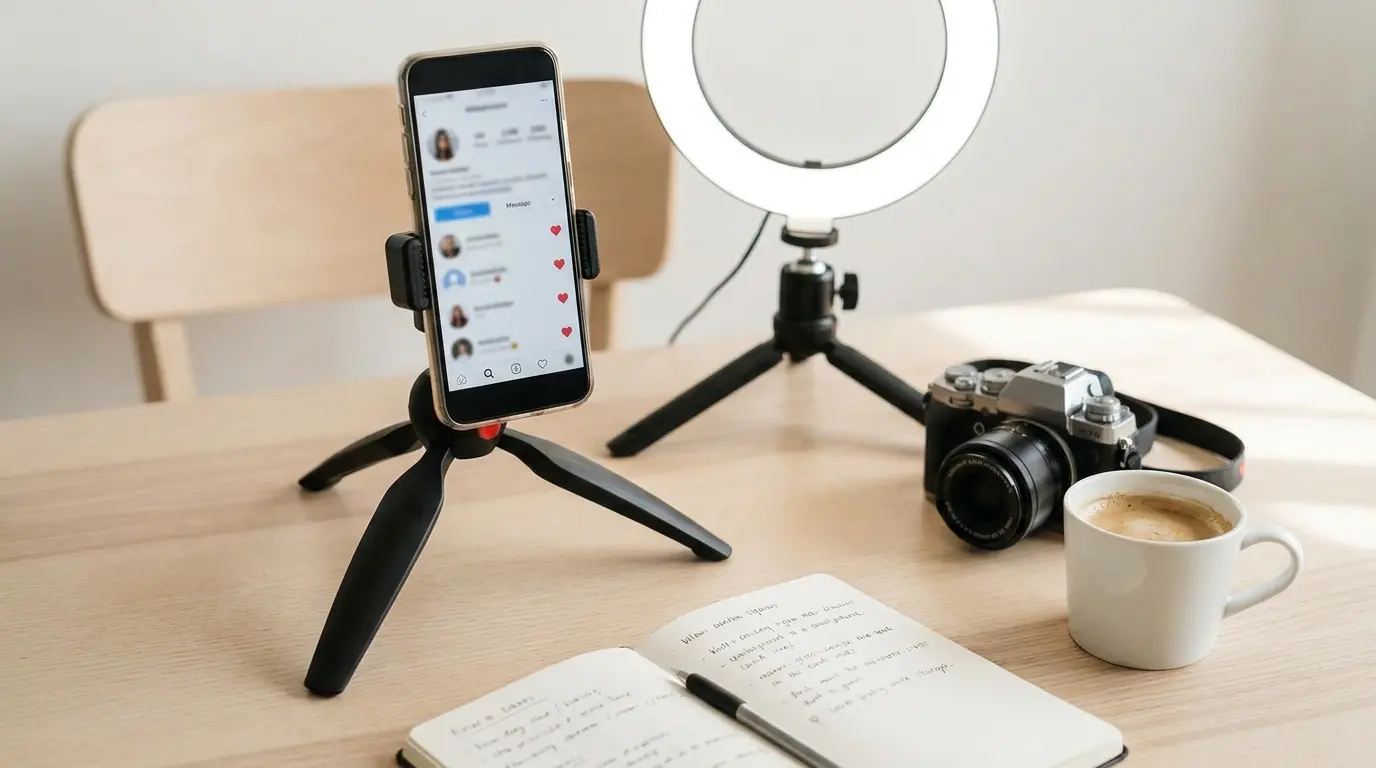
Around the same time, a skincare brand I was watching partnered with a creator who had 80,000 followers. Her content was shot on an iPhone in her bathroom. No ring light, no editing team, just her talking to her phone like it was her best friend getting ready for a night out.
She outperformed our million-follower partnership by 340% on conversion rate. Same product category, same talking points, wildly different results.
I’m going to tell you exactly what we missed and why it cost us so much money. Because the way most brands evaluate influencers is fundamentally broken, and it’s burning real budgets. Not “efficiency losses” or “suboptimal performance.” Actual wasted money that could have funded partnerships that actually move product.
We’re All Chasing the Wrong Metrics (And I’ve Done It Too)
You’ve probably filtered influencer searches by follower count. I get it. Everyone does it because the number feels concrete, measurable, safe to justify in a budget meeting.
But here’s what that approach misses completely: an influencer’s ability to move your product has almost nothing to do with how many people follow them.
We’ve run campaigns with creators who have 80k followers that generated better conversion rates than partnerships with influencers sitting at 1.5 million. The difference wasn’t luck or timing. It was business model, audience relationship, and content approach.
What is an influencer, really? The definition has stretched so far beyond “person with followers” that the term barely means anything anymore. Some influencers are CEOs. Others are educators who happen to have cameras. A few are entertainers who accidentally became trusted product reviewers.
The influencers worth your attention fall into three groups, and none of them are organized by follower count.
Business builders create entrepreneurial operations that exist independently of their social presence. They’re not influencers who dabble in business. They’re business owners who happen to influence.
Industry changers bring professional credentials that pure entertainers can’t replicate. When they recommend something, their degree or championship or years of experience backs up that claim.
Authenticity leaders maintain unfiltered audience relationships that make their recommendations carry actual weight. Their content feels like FaceTime with a friend, not an ad disguised as content.
When examining how different social media influencers deliver results, understanding the TikTok case study secrets reveals why platform-specific strategies matter more than raw follower numbers. The creators who consistently drive ROI have figured out that their value proposition extends far beyond posting frequency or reach.
Each category operates with a completely different business model. You can’t evaluate them using the same criteria because they’re solving different problems for their audiences and for brands.
|
Influencer Type |
Primary Value Driver |
Best Used For |
Typical Follower Range |
Key Evaluation Metric |
|---|---|---|---|---|
|
Business Builders |
Entrepreneurial operations and product development expertise |
Long-term partnerships, co-branded products, strategic collaborations |
1M – 50M+ |
Revenue diversification, business ownership stakes |
|
Industry Changers |
Deep subject matter expertise and professional credentials |
Educational campaigns, B2B reach, credibility-focused messaging |
100K – 5M |
Industry recognition, professional background |
|
Authenticity Leaders |
Unfiltered audience relationships and trust-based recommendations |
Product launches, conversion-focused campaigns, community building |
500K – 10M |
Comment quality, recommendation impact, selective partnership history |
Influencers Who Built Entire Businesses (Not Just Sponsored Posts)
1. Emma Chamberlain
I was in Target last week and saw Chamberlain Coffee on the shelf. Next to Starbucks. Next to Dunkin’. Next to brands that have been around for decades.
That stopped me in my tracks.
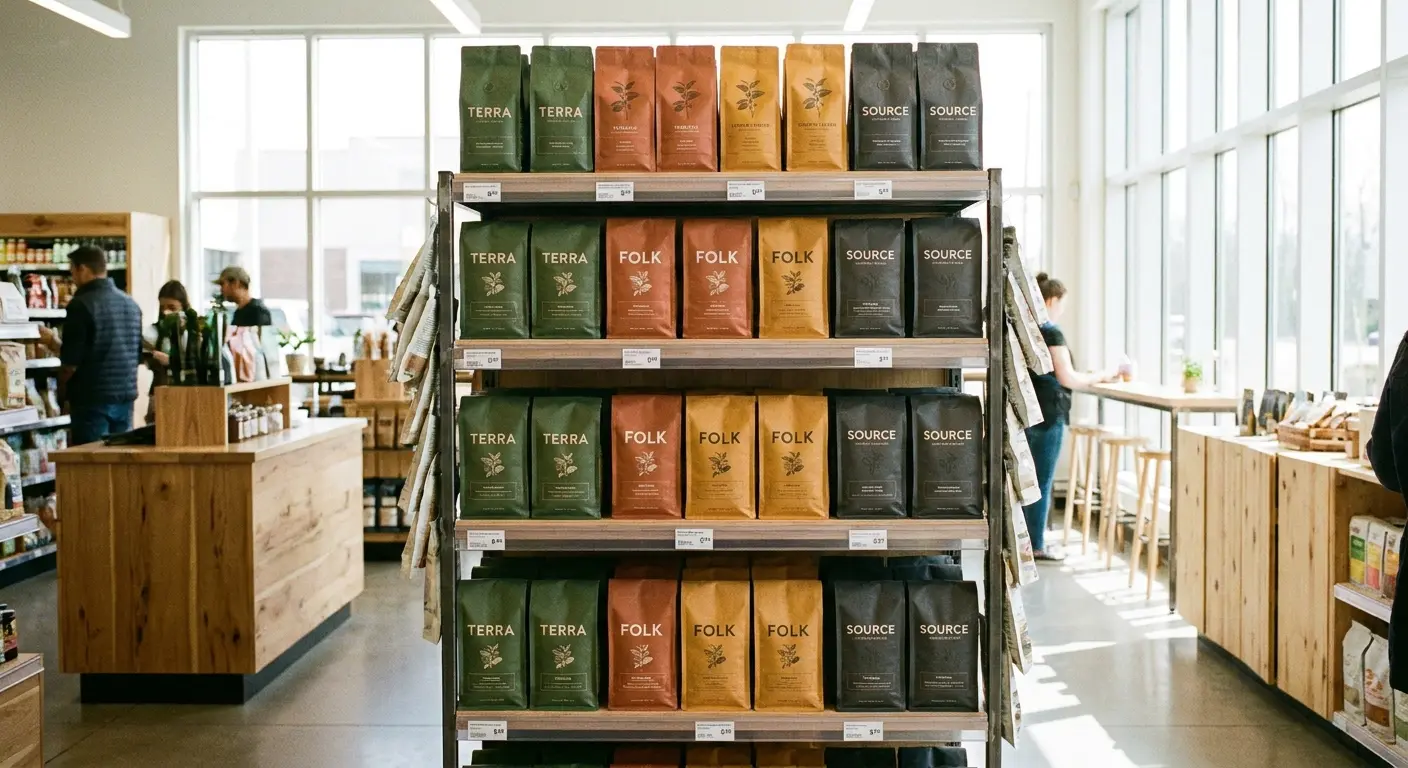
This isn’t an influencer who slapped her name on someone else’s product. Emma built actual supply chains, developed SKUs, negotiated with retailers, figured out distribution. She used her audience as a built-in focus group and marketing channel, which let her skip the traditional brand-building expenses that kill most coffee startups.
The business doesn’t need her to post three times a day to survive anymore. The content feeds the company, but the company has its own legs now.
Chamberlain Coffee operates with the same setup as any specialty coffee brand. Distribution deals with major retailers, product development cycles, seasonal launches. The difference is that she used her audience as real-time market research and marketing channel, cutting out the expenses that sink most food and beverage startups.
2. MrBeast (The Guy Who’s Basically Running a Media Empire)
MrBeast isn’t running a YouTube channel. He’s running a media conglomerate that happens to post on YouTube.
Chocolate brand. Ghost kitchen operation across hundreds of locations. Production studio creating content for other creators. Each business has its own P&L, its own team, its own growth strategy.
He treats every video like a product test. If a concept performs well, he spins it into a business. If it flops, he’s only out the production cost. That’s influencer-as-entrepreneur thinking, and it’s why his partnerships look different from standard sponsorship deals.
Feastables competes directly with established candy brands on store shelves. MrBeast Burger operates across hundreds of locations through ghost kitchen partnerships. His production company creates content for other creators and brands. Each business exists independently, but they all benefit from the attention his main channel generates.
Here’s what blows my mind: most influencers extract cash from their platforms. MrBeast does the opposite. He reinvests everything into bigger productions. Bigger productions get more attention. More attention funds more businesses. It’s a flywheel.
And unlike most viral creators, this model doesn’t depend on him staying viral forever. The businesses exist independently now.
3. Huda Kattan
Huda Beauty generates hundreds of millions in revenue annually, stocked in Sephora and competing directly with legacy cosmetics brands. Kattan’s Instagram following helped her launch, but the business success came from understanding formulation, retail relationships, and global distribution.
She stopped being just an influencer years ago. Now she’s a beauty exec who still posts content.
Her product development process uses her audience as real-time feedback, but the actual manufacturing and distribution required traditional beauty industry expertise. She hired chemists, negotiated with retailers, and built a supply chain that could handle international demand.
The Instagram tutorials created initial demand and validated product concepts before she invested in manufacturing. But the business scaled because she understood that social media attention doesn’t automatically translate to sustainable revenue without proper operations behind it.
4. Charli D’Amelio
D’Amelio’s team structured her career like a startup, not a social media account. She launched a ready-to-drink coffee line, secured a Hulu series, and built partnerships that extend beyond single-post sponsorships.
The beverage company is the real story here. It shows she’s thinking about what happens when TikTok trends shift or her audience ages out. Product-based businesses create equity that content alone never will.
Her family approached her sudden fame with business operations in mind. Management deals, production companies, product lines. They recognized that viral moments fade, but well-structured businesses can generate income for decades.
The diversification strategy protects against platform risk. If TikTok’s algorithm changes or her content style falls out of favor, she still owns businesses that can operate independently.
5. Ryan Kaji (Yes, I’m Using a Child as a Business Case Study)
Ryan Kaji’s parents turned his toy reviews into a licensing machine. You’ll find Ryan’s World products in nearly every major retailer, from bedding to action figures to snacks.
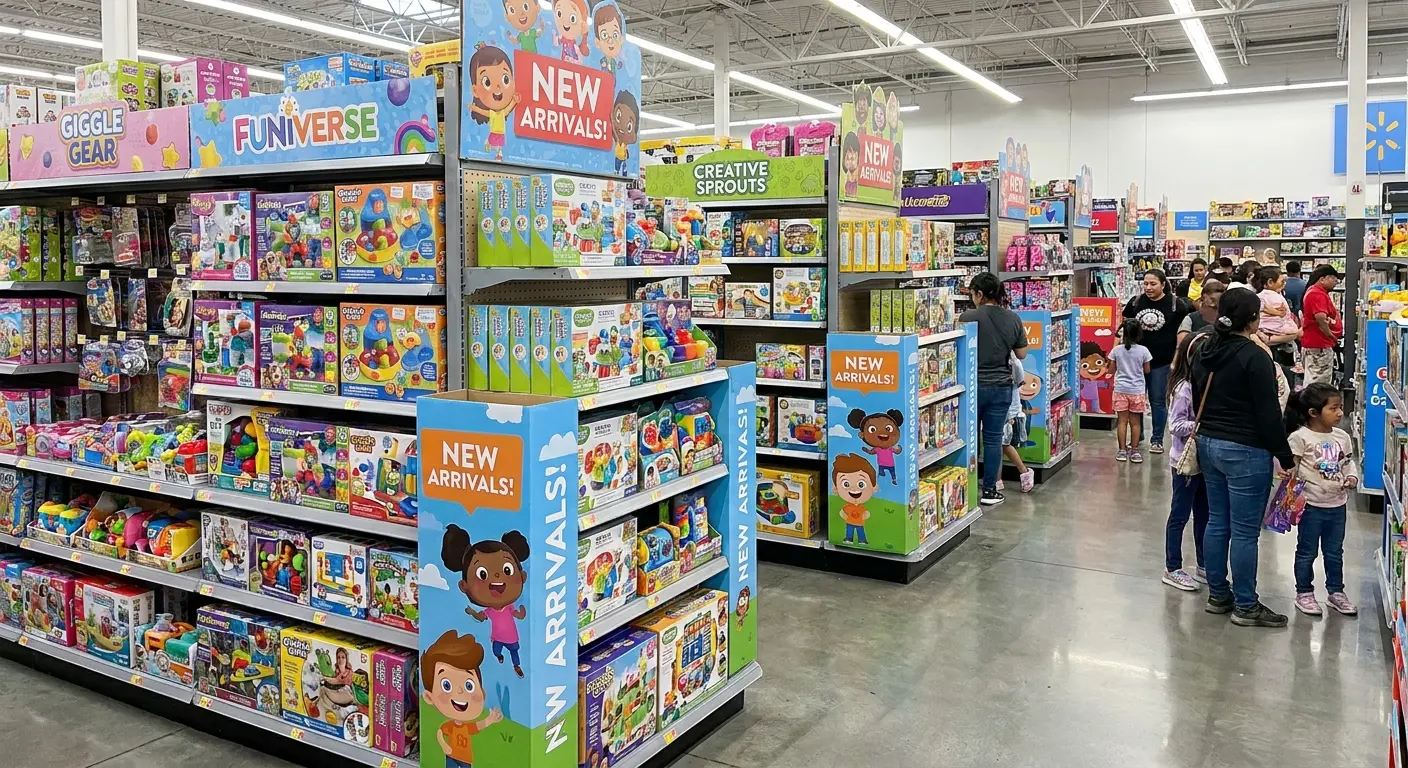
The YouTube channel still exists, but it’s become marketing for the product line rather than the primary revenue source. That flip is crucial because it means the business isn’t dependent on algorithm changes or platform policies.
Licensing deals with major manufacturers created passive income streams that dwarf YouTube ad revenue. The content validates new product categories and maintains brand awareness, but the actual business model runs on retail partnerships and royalty agreements.
His parents built something that could outlast his childhood. The brand operations exist independently of whether he continues creating content as he gets older.
6. Addison Rae
Rae launched Item Beauty with backing from Madeby Collective, positioning herself as a founder rather than just a face. She’s also pursued acting roles and music releases, treating her TikTok fame as a launching pad rather than a destination.
Her approach recognizes that viral dance trends have a shelf life, but beauty brands and entertainment careers can last decades if structured correctly.
The beauty line focuses on accessible price points and clean formulations, targeting her Gen Z audience’s preferences. She’s involved in product development and brand positioning, not just lending her name to someone else’s vision.
The entertainment pursuits diversify her income and keep her relevant as her audience ages. Dancing made her famous, but she’s building a career that doesn’t depend on maintaining that specific content style forever.
7. Khaby Lame (The Guy Who Broke TikTok Without Saying a Word)
Lame built the largest TikTok following without speaking a word, which weirdly made him more marketable globally. His content translates across languages, making him valuable for brands with international audiences.
He’s partnered with Hugo Boss and appeared at the Cannes Film Festival, positioning himself as a celebrity rather than just a content creator. That distinction opens different revenue opportunities and longer-term brand deals.
His silent reaction format created a constraint that became a competitive advantage. Brands targeting multiple markets don’t need to adapt his content for different languages or cultural contexts.
The celebrity positioning is key because it moves him out of the influencer category entirely. Fashion brands and entertainment companies treat him as talent, not just a marketing channel. That shift changes how deals get structured and what opportunities become available.
Influencers Who Changed Their Industries Without Trying to Go Viral
8. Dr. Mike Varshavski (The Doctor Who Makes Medical Content Actually Watchable)
Here’s what I love about Dr. Mike: he’s an actual practicing physician who happens to be really good at TikTok. Not the other way around.
The health and wellness space is drowning in pseudoscience. People with no credentials selling detox teas and making medical claims that would make an actual doctor’s head explode. Dr. Mike brings receipts. Medical degree, active practice, board certification. When he says a wellness trend is garbage, he can explain exactly why using actual medical terminology.
I’ve seen him review medical TV show scenes (hilarious, by the way) and debunk health myths that have millions of people convinced they’re true. His audience trusts him because he’s not just charismatic. He’s credentialed.
That trust translates differently than entertainment-based influence. When a regular influencer recommends a health product, you take it with a grain of salt. When Dr. Mike does it, his medical degree is backing up that claim. Brands pay a premium for that credibility, and they should.
The dual identity is what makes him valuable. He’s got the medical expertise AND the ability to make health content engaging. Pure entertainers can’t compete with that combination.
9. Tabitha Brown
Brown’s content feels like getting cooking tips from a friend who genuinely wants you to succeed. She’s built a following around plant-based recipes and positive affirmations, creating a brand that extends into cookbooks, a Target line, and speaking engagements.

Her partnership strategy focuses on brands that align with her values, which means she turns down deals that don’t fit. That selectivity has made her endorsements more credible and valuable.
The warmth in her content isn’t performance. She genuinely radiates positivity, which has created a community around her personality as much as her recipes. People trust her product recommendations because they
trust her judgment.
Her Target line succeeded because it matched her brand perfectly. Affordable, accessible products that make plant-based cooking easier. The partnership made sense to her audience, so they bought in.
10. Marques Brownlee
Brownlee’s reviews can tank a product launch or validate a company’s R&D investment. Tech companies send him early access to products because his analysis reaches the exact audience they need to convince.
His influence extends beyond consumer purchases. Engineers and product managers watch his videos to understand how their work lands with knowledgeable users. That’s industry influence, not just social media reach.
The production quality and technical depth of his reviews set standards for tech content. He doesn’t just unbox products and share surface-level impressions. He tests performance, compares specs, and explains technical decisions in ways that matter to serious users.
Companies treat his feedback as product validation because his audience includes the tech-savvy early adopters who influence broader market adoption. A positive review from him can legitimize a new product category. A negative one can expose fatal flaws before mass production.
11. Abby Cox
Cox creates deeply researched content about historical clothing construction and fashion history. Her audience is smaller than mainstream fashion influencers, but it’s filled with costume designers, theater professionals, and serious hobbyists who value accuracy.
She monetizes through Patreon and educational content sales, proving that specialized knowledge can sustain a creator career without massive follower counts. Brands in the historical reenactment and high-end fabric spaces partner with her because she reaches their exact customer base.
Her content dives into construction techniques, historical accuracy debates, and the social context of fashion across different eras. This depth attracts an audience that actively spends money on quality materials and specialized products.
The niche focus means she’ll never have millions of followers, but the followers she has are highly engaged and willing to pay for expertise. That’s a more sustainable business model than chasing viral moments.
12. James Hoffmann
Hoffmann’s coffee equipment reviews can make or break a product launch in the specialty coffee market. His background as a competition winner and coffee company owner means his opinions carry weight with both consumers and manufacturers.
Coffee equipment brands send him prototypes for feedback during development, not just for promotion after launch. That’s advisory-level influence that changes how products get made.
His reviews combine technical expertise with clear explanations that help enthusiasts understand what they’re buying. He’ll explain why a grinder’s burr geometry matters or how water chemistry affects extraction, giving his audience the knowledge to make informed decisions.
The industry respect he commands comes from years of professional experience, not just content creation. Manufacturers value his input because he understands their products from a technical perspective that most reviewers can’t match.
13. Rosanna Pansino
Pansino turned her baking show into a cookbook series that hit bestseller lists, then launched baking products and expanded into gaming content. Each move builds on her existing audience while creating new revenue streams.
She owns her content and product lines outright, which means she’s building equity rather than just earning sponsorship fees. That ownership mindset separates influencers who
Influencers Who Turned Authenticity Into an Actual Strategy
14. Bretman Rock
Rock’s content mixes beauty tutorials with Filipino culture references and unedited personality moments that feel genuinely spontaneous. He’s built partnerships with major beauty brands while maintaining the raw style that made him popular.
His authenticity works because it’s consistent, not performative. Brands partner with him to reach audiences tired of overly produced influencer content, and his endorsements feel like recommendations rather than ads.
The cultural pride he shows in his content resonates with audiences who rarely see their backgrounds represented in beauty spaces. That representation is valuable to brands trying to reach more diverse demographics authentically.
His unfiltered personality means sponsored content doesn’t feel jarring. He integrates products into his existing content style rather than shifting his approach for partnerships. That consistency maintains audience trust even when he’s being paid.
15. Wisdom Kaye
Kaye styles high-end pieces with thrift finds, showing how to achieve editorial looks on realistic budgets. His content appeals to fashion enthusiasts who can’t afford full designer outfits but want to understand styling principles.

Fashion brands partner with him because he makes their pieces feel attainable rather than exclusive, which expands their potential customer base beyond traditional luxury consumers.
His approach democratizes high fashion by showing that style comes from understanding proportions, color theory, and silhouette rather than just buying expensive clothes. That educational angle builds loyalty with audiences who appreciate the knowledge transfer.
The mix of luxury and affordable pieces in his outfits shows viewers how to incorporate designer items into realistic wardrobes. Brands benefit because he positions their products as investment pieces worth saving for, not unobtainable fantasies.
16. Alix Earle
Earle’s rapid rise came from videos that feel like FaceTime calls with friends rather than produced content. She talks about skincare routines, dating struggles, and product recommendations in the same breath, creating content that feels genuinely conversational.
Products she mentions sell out within hours because her recommendations feel trustworthy. She’s not trying to sell anything, which paradoxically makes her endorsements more powerful than traditional influencer promotions.
Her “get ready with me” format creates intimacy that polished content can’t replicate. She shares insecurities, talks through product choices, and shows the messy reality of getting ready. That vulnerability builds trust that translates directly to purchase behavior.
Brands are scrambling to partner with her because she’s proven she can move product without hard selling. Her audience buys what she uses because they trust her judgment, not because she’s explicitly telling them to buy it.
17. Keith Lee (The Food Reviewer Who Can Save a Restaurant Overnight)
Keith Lee can transform a struggling restaurant overnight. I’m not exaggerating.
There are restaurants that were weeks from closing that now have hour-long waits because Keith posted a review. Small family businesses that couldn’t afford marketing suddenly have lines out the door. The economic impact is real and measurable.
What makes him different from every other food reviewer? Honesty. He’ll tell you exactly what works and what doesn’t. If the chicken is dry, he says it. If the portion size is weak for the price, he mentions it. If the service was off, you’ll hear about it.
But here’s the thing: he’s not mean about it. He gives constructive feedback while showing genuine appreciation for small business owners trying to make it work.
His audience trusts him because he’s selective about sponsorships and clearly labels paid content. That restraint has made his organic recommendations incredibly valuable. When Keith says a place is worth visiting, people actually visit.
I’ve watched restaurant owners cry on camera thanking him for changing their lives. That’s not influencer marketing. That’s cultural impact.
18. Tinx
Tinx built her following around relatable dating advice and cultural commentary that resonates with millennial and Gen Z women. Her concepts like “rich mom energy” became widely referenced beyond her own content.
She partners with brands that align with her lifestyle content, turning sponsorships into natural extensions of her existing topics rather than interruptions. That integration makes her promotional content feel less like ads and more like recommendations.
Her community-building approach creates ongoing conversations rather than one-off viral moments. She responds to comments, incorporates follower questions into content, and treats her audience as collaborators in creating cultural concepts.
The brand partnerships work because they fit seamlessly into her existing content pillars. When she promotes a product, it’s something she’d genuinely discuss anyway. That alignment maintains the trust that makes her recommendations effective.
19. Nara Smith
Smith creates everything from scratch, including condiments and snacks most people buy pre-made. Her videos showcase an aesthetic lifestyle that feels both aspirational and slightly surreal, which has made her content highly shareable.
Brands partner with her because she reaches audiences interested in homemaking, cooking, and family content, but her approach is fresh enough to stand out from traditional mommy bloggers. Her authenticity comes from genuinely living the lifestyle she shows, not performing it for content.
The from-scratch approach taps into growing interest in knowing what’s in your food and controlling ingredients. Her content appeals to health-conscious consumers and people curious about traditional cooking methods.
Her aesthetic presentation elevates everyday tasks into something visually compelling. That production quality attracts viewers who might not otherwise engage with cooking content, expanding her reach beyond typical food influencer audiences.
How to Actually Find the Right Influencer (Without Burning Your Budget)
The Metrics That Actually Predict Results
You’re probably evaluating influencers based on metrics that don’t predict results. Follower count tells you reach, but it says nothing about whether those followers will care about your product.
Engagement rate is better, but even that can be misleading if you don’t look at what people are saying in comments. Are they asking questions? Sharing experiences? Or just dropping emojis?

The influencers we’ve covered here succeed because they’ve built something beyond their follower counts. They own businesses, change industries, or create content so authentic that audiences trust their opinions implicitly. Those qualities are infinitely more important than vanity metrics.
Similar to how we’ve seen success in Instagram case study analysis, the platform itself matters less than understanding creator dynamics and audience relationships. A creator with deep audience trust on a smaller platform will outperform a massive following with shallow engagement every time.
Audience alignment is more important than audience size. I don’t care if an influencer has 2 million followers if none of them match your target customer profile. Look at demographics, sure, but also look at what people are talking about in the comments. Are they discussing topics related to your product category? Are they asking for recommendations? Sharing their own experiences?
Last year we evaluated a beauty influencer with 800k followers for a skincare campaign. Her engagement rate looked great (4.2%, well above average). But when we actually read the comments, 80% were about her boyfriend drama and maybe 20% were about the makeup tutorials. Her audience wasn’t there for product recommendations. We passed. The brand that didn’t pass spent $30k and got minimal results.
Content quality and consistency tell you what you’re getting. Influencers who post sporadically or whose content style varies wildly are impossible to integrate into campaigns. You want someone whose content already aligns with how you’d want your product presented.
I’m not talking about production quality. Some of the highest-converting influencers shoot everything on their phones. I’m talking about consistency of voice, style, and subject matter.
Business thinking separates influencers who understand partnership value from those who just post sponsored content. Do they have their own product lines? Have they built revenue streams beyond sponsorships? Have they turned down partnerships that didn’t align with their brand?
These signals tell you they’re thinking long-term, which usually means they’re more selective about what they promote, which means their recommendations carry more weight.
When evaluating potential partners, understanding Instagram engagement rate calculator metrics helps you move beyond surface-level follower counts to actual audience interaction quality. The math is important, but so is the context around those numbers.
Partnership history reveals everything. How do they integrate sponsored content? Does it feel forced or natural? How often do they post promotions versus organic content? What’s the ratio?
If an influencer posts sponsored content more than twice a week, their audience has tuned out the recommendations. If they’ve partnered with competing brands in the same month, they have no loyalty or strategy. If every post reads like an ad, their organic recommendations carry zero weight.
Comment quality reveals more than comment quantity. Don’t just count comments. Read them. Do people trust this creator’s recommendations? Do they ask for advice or share their own experiences with products the influencer mentions? Do they tag friends saying “we need to try this”?
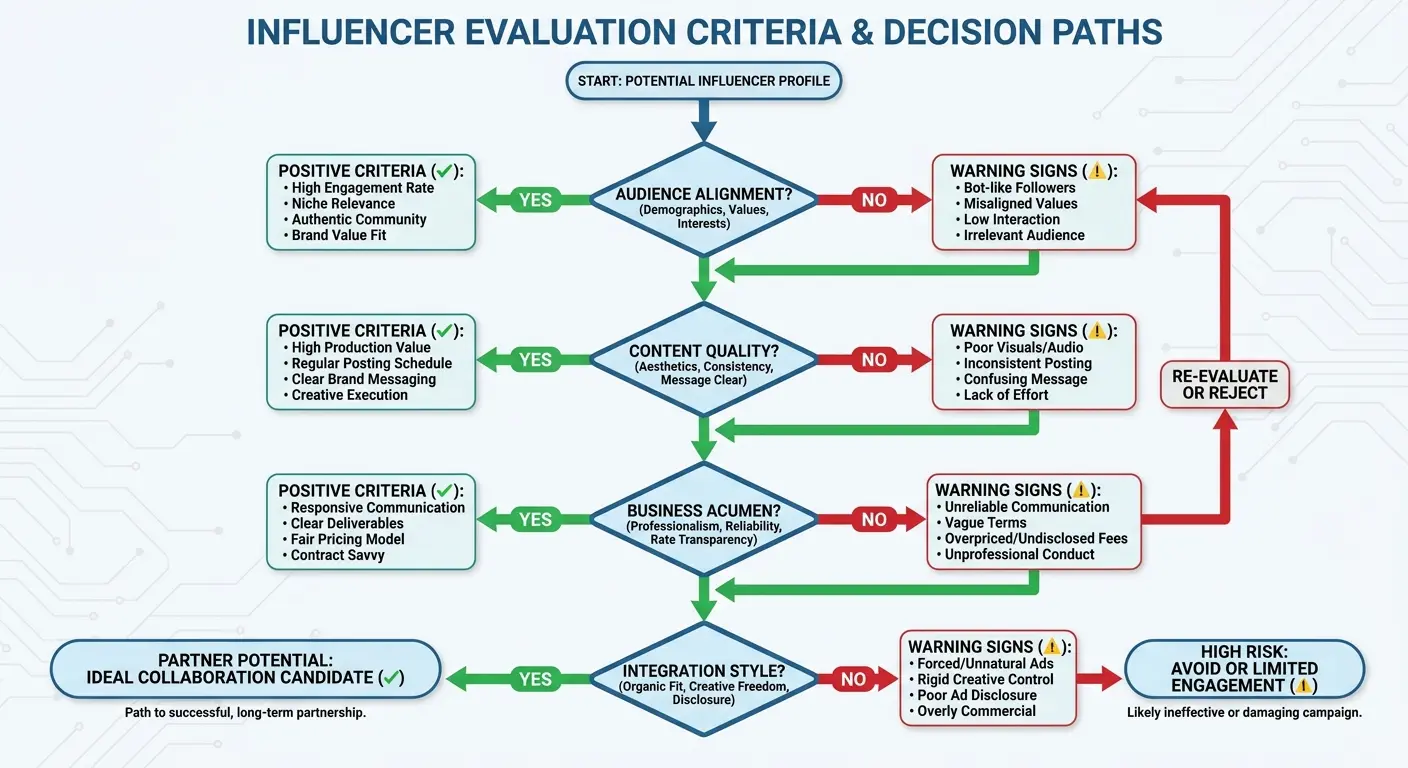
Those interactions signal a relationship that can translate to purchase behavior. Generic emoji comments or “great post!” from engagement pods tell you nothing.
What Good Looks Like (Real Example)
Last quarter we partnered with a fitness influencer who had 120k followers. Not huge. Engagement rate was 3.8% (decent but not spectacular).
But when we read her comments, we found:
- People asking detailed questions about her workout routines
- Discussions about specific products she’d mentioned weeks earlier
- Followers sharing their own progress using her advice
- Almost zero generic emoji-only comments
We sent her our product. She tested it for three weeks before agreeing to post about it. When she finally did, she integrated it naturally into her existing content style, explained specifically why it worked for her routine, and was honest about one feature she wished was different.
The campaign generated 340% ROI. Not because she had millions of followers, but because her audience genuinely trusted her judgment.
What Bad Looks Like (My Expensive Lesson)
The $50k campaign I mentioned earlier? Here’s what we missed:
The influencer had 1.5M followers and 2.1% engagement rate (lower than ideal, but we justified it because of the reach). The content was gorgeous (professional photography, perfect aesthetic).
But we didn’t read the comments carefully enough. Most were generic. Very few discussed the actual products she featured. Her sponsored posts looked noticeably different from her organic content (different tone, different style, different vibe).
Her audience could tell when she was being paid. And they tuned it out.
We got 47 sales from 1.5 million impressions. The math is painful.
Red Flags That Should Make You Walk Away
I’ve learned to spot these warning signs before wasting budget:
They pitch YOU: Legitimate influencers with engaged audiences don’t cold-email brands begging for partnerships. If someone’s reaching out unsolicited with their media kit, they’re probably desperate for deals because their audience doesn’t convert.
Engagement rate doesn’t match follower count: Someone with 500k followers should have more than 2,000 likes per post. If the math doesn’t make sense, they probably bought followers.
Comments are all generic: If every comment is “🔥🔥🔥” or “Love this!” with no substance, it’s engagement pods or bots. Real audiences ask questions, share experiences, tag friends.
They can’t explain their audience: Ask an influencer “Who follows you and why?” If they can’t give you a specific answer beyond demographics, they don’t understand their own audience. That’s a problem.
No brand guidelines or partnership requirements: Professional influencers have processes, timelines, content approval workflows. If they’re willing to post whatever you want whenever you want it, they’re treating your brand like every
other paycheck.
Every partnership is a “dream collaboration”: If an influencer has never said no to a brand or posted anything remotely critical, their recommendations carry zero weight. Audiences trust people who have standards.
I’ve ignored these red flags before because the follower count looked good or the price was right. It never ended well.
Sometimes Follower Count Actually Does Matter (Controversial Take)
I know I just spent 3,000 words telling you follower count doesn’t matter. But I’m going to contradict myself for a second.
If you’re running a pure awareness campaign for a mass-market product, reach still has value. A Super Bowl ad works because 100 million people see it, not because those people have deep trust in CBS.
Sometimes you need spray-and-pray. Sometimes you need to get your brand in front of as many eyeballs as possible, and conversion rate is secondary.
The mistake isn’t using high-follower-count influencers. The mistake is using ONLY follower count to make partnership decisions, regardless of your objective.
Match the metric to the goal. Awareness play? Reach is important. Conversion play? Trust is everything. Credibility play? Expertise wins.
I’ve seen brands succeed with mega-influencers and fail with micro-influencers. The difference was always whether they matched the influencer type to what they were actually trying to accomplish.
So yes, follower count can be relevant. Just not as much as everyone thinks it is, and definitely not in isolation.
What Success Actually Looks Like
Forget likes and comments for a second. Here’s what successful influencer campaigns actually deliver:
For Conversion Campaigns:
- Direct sales that exceed your cost per acquisition targets
- Promo code usage that you can track to revenue
- Sustained traffic increase, not just a spike during the campaign
- Customer LTV that justifies the partnership cost
For Awareness Campaigns:
- Brand search volume increase (people Googling your brand name)
- Follower growth on YOUR channels, not just the influencer’s
- Earned media mentions triggered by the campaign
- Share of voice increase in your category
For Credibility Campaigns:
- Industry publications covering the partnership
- Professional community discussions referencing your brand
- Speaking opportunities or partnership inquiries from other credible sources
- Improved perception scores in brand tracking studies
The $50k campaign that generated 47 sales? We measured the wrong things. We celebrated engagement rate and reach. We should have been measuring cost per acquisition and customer lifetime value.
The 80k-follower campaign that crushed it? We knew exactly what success looked like before we started: $50 CPA, 30% repeat purchase rate within 90 days. We hit both targets.
Define success before you start. Match your influencer type to that definition. Everything else is noise.
Final Thoughts
The influencers worth your attention aren’t necessarily the ones with the biggest followings. They’re the ones who’ve built businesses, changed their industries, or created such authentic connections that their recommendations carry real weight.
Some turned their platforms into launchpads for actual companies, proving that content creation can fund business operations. Others brought deep expertise to their niches, showing that specialized knowledge often outperforms broad reach. A few built followings on raw authenticity, proving that unpolished content frequently converts better than professionally produced campaigns.
Whether you’re using platforms like Collabstr for discovery or building relationships directly, understanding marketing case study examples helps you identify what drives results versus what just looks impressive in a deck. The patterns emerge once you know what to look for.
Follower count will always be the easiest metric to measure, but it’s rarely the right one. The social media influencers who’ll move your business forward are the ones who’ve built something sustainable beyond their social presence.
Business builders create revenue streams that don’t depend on algorithm changes. Industry changers bring professional credibility that pure entertainers can’t match. Authenticity leaders maintain audience relationships built on trust rather than aspiration.
Each category serves different campaign objectives. Match your goals to the right influencer type, and partnerships start delivering returns that justify the investment. Keep chasing follower counts, and you’ll keep wondering why your campaigns underperform.
The democratization of influencer discovery through platforms like Collabstr means access isn’t the bottleneck anymore. Strategy is. Knowing which qualities predict success for your specific objectives separates effective campaigns from wasted budget.
These 19 influencers prove that what you build is more important than how many people watch you build it. The ones creating lasting value are thinking beyond their next post, beyond their current follower count, beyond the platform they’re currently using. They’re building businesses, changing industries, and earning trust that translates to actual influence.
We’ve worked with brands struggling to make influencer marketing deliver actual ROI, and the problem usually traces back to selection criteria. When you prioritize the right qualities (audience trust, business acumen, content alignment), the results change dramatically. The Marketing Agency helps brands identify influencer partners based on campaign objectives rather than vanity metrics, matching you with creators who’ll move your business forward. If you’re tired of influencer campaigns that generate likes but not sales, we should talk.
Because here’s what I wish someone had told me before I wasted $50k on a million-follower influencer who generated 47 sales:
Follower count is the easiest metric to measure. That’s why everyone uses it. But easy and effective aren’t the same thing.
The influencers who’ll actually move your business forward aren’t thinking about their next post. They’re thinking about their next business vertical, their next product launch, their next industry disruption.
Some of them built actual companies that could survive a platform shutdown. Others brought professional credentials that make their opinions matter beyond social media. A few created such authentic audience relationships that their recommendations carry more weight than traditional advertising ever could.
I’ve spent the last three years analyzing hundreds of influencer campaigns, and here’s the pattern I keep seeing:
The partnerships that work pair the right influencer type with the right objective. Business Builders for long-term strategic collaborations. Industry Changers for credibility and B2B reach. Authenticity Leaders for conversion-focused campaigns.
The partnerships that fail happen when brands chase follower counts without understanding what they actually need to accomplish.
Platforms like Collabstr have made influencer discovery accessible to everyone. That’s great. But access without strategy just means you can waste budget faster.
So before you filter by follower count on your next campaign, ask yourself:
What am I actually trying to accomplish? Who has the audience relationship, business acumen, or industry credibility to make that happen? And what would success actually look like beyond vanity metrics?
Answer those questions first. The right influencer becomes obvious.
Chase follower counts, and you’ll keep wondering why your campaigns underperform while your competitors see actual ROI from creators you’ve never heard of.