


Table of Contents
- Reverse-Engineer the Product You Wish Existed
- Document a Skill Before You’re an Expert
- Break Down Public Datasets in Your Field
- Chronicle Your Taste, Not Your Life
- Build a Resource Library You’d Want to Bookmark
- Write the Onboarding Guide Your Past Self Needed
- Translate Industry Jargon Into Plain Speech
- Track Micro-Experiments and Share the Numbers
- Curate and Critique, Not Just Consume
- Interview People One Step Ahead of You
- Map Your Local Ecosystem
- Create Comparison Tables No One Else Built
- Share Your Personal Finance System (Warts and All)
- Turn Your Niche Hobby Into Insider Content
- Chronicle a Single Project from Idea to Execution
- Build a Decision Framework Library
TL;DR
The blogs people actually bookmark solve problems. They organize information you’d otherwise spend three hours hunting down. They document the messy process everyone goes through but nobody talks about.
Your weird perspective matters more than your resume. Show up consistently, and expertise follows.
Why Most Personal Blog Ideas Miss the Point
I’ve watched 200+ people start personal blogs. Maybe ten are still publishing two years later.
The other 190? They all made the same mistake.
They thought “personal blog” meant “online diary.” So they wrote about their morning routine, their grocery haul, their thoughts on productivity. Then they checked their stats. Nobody came. They published ten more posts. Still nothing. Quit.
Here’s what they missed: nobody cares about your life unless it solves their problem.
Most people think personal blogs are just online diaries. Morning routines, your Notion setup, thoughts about the algorithm. That model worked when blogs were new and the internet felt like a neighborhood. Now it’s a metropolis, and your daily updates get lost in the noise unless you’re already famous.
The opportunity isn’t in what you ate for lunch. It’s using your specific position to create reference material people need.
I killed my first blog by writing 30 posts about “my entrepreneurial journey.” Zero traffic. Deserved it.
Consider blogs that started personal but built lasting value. Wait But Why began as one person’s deep dives into topics he found fascinating. Mr. Money Mustache documented one family’s path to early retirement. Yeah, everyone mentions Wait But Why. But here’s why it worked: they shifted from “here’s what I did today” to “here’s what I learned that you can use.”
When you’re ready to stop treating your blog like a diary and start building something useful, understanding how to start a blog properly ensures your foundation supports long-term growth instead of quick abandonment.
Stop asking “what happened to me today?” Start asking “what problem can I solve that I’ve already figured out?”
Documentation-First Personal Blog Ideas
Here’s why this works: you’re always two steps ahead of someone.
You don’t need credentials. You need willingness to document what you’re learning and experiencing. Specific figures, prices, timelines, and performance results vary by source and circumstances, so confirm current details before relying on them.
Documentation-first blogs work because they’re relatable. Someone six months behind you finds your beginner perspective more helpful than the expert who forgot what confusion feels like. You’re creating a natural content pipeline tied to your actual work and progress.

The beauty here: you already have the material. You’re already googling stuff for an hour trying to find the right tool. You’re already learning new skills and hitting the same walls everyone hits. Now you’re just capturing it for others.
1. Reverse-Engineer the Product You Wish Existed
Start with a gap you’re experiencing right now. You can’t find the right tool, course, platform, or resource for something you’re trying to accomplish.
That frustration? That’s your first ten blog posts.
Document your search process in detail. What did you try? Why did each option fall short? What criteria mattered most? What surprised you? This serves everyone in your exact position who’s running the same searches.
Structure it around the research you’re already doing: “I spent 40 hours researching project management tools for solo consultants. Here’s what I found.” You’re not claiming expertise. You’re sharing the comparison you wish existed when you started.
Update the post as you continue using tools or discovering new options. That’s the advantage here, it evolves with your experience, and readers can see your thinking develop over time. You’re creating the resource you needed, which means other people need it too.
This approach has natural SEO benefits because you’re answering questions you know people have. You searched for these answers, struggled to find them, and now you’re creating what should have existed. Google loves this because you’re answering real questions.
2. Document a Skill Before You’re an Expert
Ever ask an expert how to do something and get an answer that makes no sense? They skip all the stuff that’s obvious to them but completely unclear to you.
That’s expert blindness. And it’s your opportunity.
When you’re learning something, you remember what’s confusing. An expert forgot that ten years ago. So document as you learn: what finally clicked, what didn’t make sense, workarounds you discovered, mistakes that taught you something valuable.
Experience-driven content resonates because it demonstrates authority. Personal experience blog posts that share firsthand insights help establish credibility and show readers that you’ve actually done the work, not just read about it. This approach combines practical guidance with authentic personal perspective, making content more compelling and trustworthy than generic advice.
Keep a learning log format or structured progress updates. Week 3 learning Python: here’s what finally made sense about functions. Month 2 of design software: the shortcuts that actually saved time. Six months into language learning: the study method that stuck when others failed.
Mistakes and confusion aren’t embarrassments. They’re content. Other beginners find your struggles more helpful than polished expert tutorials because they’re experiencing the same friction right now. You’re validation that the confusion is normal, plus a guide through it.
I tried learning Python three times before it stuck. The third time, I documented every single thing that confused me. Turned it into a series. Those posts still get traffic five years later because beginners hit the exact same walls I did.
Future you will have an archive of your development. But present you is creating something immediately useful for everyone a few steps behind you on the same path. That’s sustainable.
3. Break Down Public Datasets in Your Field
Government agencies, industry organizations, and research institutions publish data constantly. Most people don’t have time or skill to analyze it.
You can.
Pick datasets related to your field or interests. Real estate trends in your city. Job market data for your profession. Product pricing analysis across competitors. Census data for your demographic. You’re creating original research from public information, which almost nobody else is doing.
Create visualizations that make the data accessible. Extract surprising findings. Track changes over time. You’re not just reporting numbers; you’re finding the story they tell.
You don’t need advanced statistics. Basic spreadsheet work and clear writing suffice. What matters is that you’re doing the analysis others won’t do and presenting it in digestible format.
I spent six hours analyzing freelance rate data from three industry surveys. Made one chart showing the difference between what people charge and what they think others charge. That post drove more traffic than anything else I published that year.
Include your methodology so readers trust your work. Link to raw data for transparency. Update annually or quarterly. Each update reinforces that you’re the person who tracks this information.
This works because it’s verifiable. You’re not sharing opinions or vague advice. You’re working with data anyone can check, which builds credibility faster than most personal blog approaches.
4. Chronicle Your Taste, Not Your Life
Life updates are forgettable. Taste is transferable.
Nobody needs to know what you had for breakfast, but they might care about why a specific album changed how you think about production, or which productivity tool you’ve used daily for three years without wanting to throw your laptop.
Document what you read, watch, use, or buy with critical analysis. Not “here’s my day” but “here’s why this matters.” Create filters that make your curation valuable: only things that changed your thinking, only tools you use weekly, only books you’d reread.
Structure matters. Monthly roundups of the best things you encountered. Annual favorites with reflection on what they share. Category-specific deep dives into why certain products or content work better than alternatives.
Over time, you build a track record. Readers trust your filters because they’ve seen your judgment play out consistently. This works for lifestyle blogs focused on specific aesthetics or values.
Different from influencer content because it’s selective and thoughtful. You’re not promoting everything that comes across your desk. You’re curating with standards, which makes your recommendations carry weight.
Can become a referral income stream if done strategically, but lead with value. Your taste documentation needs to be useful before it’s profitable. The monetization follows trust, not the other way around.
Resource-Building Personal Blog Ideas
These blog types become assets. People bookmark them, return to them, and link to them. Each post you add strengthens the archive and reinforces your position as the go-to source for specific information.
Focus on compilation, organization, and making information accessible. You’re solving the problem of scattered or hard-to-find information by gathering it in one place and organizing it usefully.
Building comprehensive resource collections is similar in approach to developing strong blog examples that demonstrate authority and provide lasting value rather than chasing quick traffic that disappears.
After 20 posts, you’ve got something nobody else has. That’s when the compound effect kicks in.
5. Build a Resource Library You’d Want to Bookmark
You know that tutorial you’ve googled five times because you can never remember where you saw it? Make a list of those.
That’s your resource library.
Identify information you repeatedly search for. Tools for specific tasks. Tutorials that actually work. Examples that illustrate concepts clearly. Templates that save hours. If you’re searching for it multiple times, others are too.
Create comprehensive lists organized by category, difficulty, or use case. Add brief annotations explaining why each resource matters and when you’d use it. This saves readers the research time and evaluation work you already did.
Keep it updated. Dead links kill credibility faster than almost anything else. Set a quarterly review calendar and maintain the collection. This ongoing maintenance is what separates valuable resource libraries from abandoned link dumps.
I have a note called “Design Stuff That Doesn’t Suck” with 40 links I reference constantly. Turned it into a blog post. Gets 2,000 visits a month. Took me 45 minutes to write because I’d already collected everything for my own use.
These function as databases. All the free design tools worth using. Every good tutorial for learning SQL. Case studies in successful cold email campaigns. The narrower and more specific, the more valuable to the right audience.
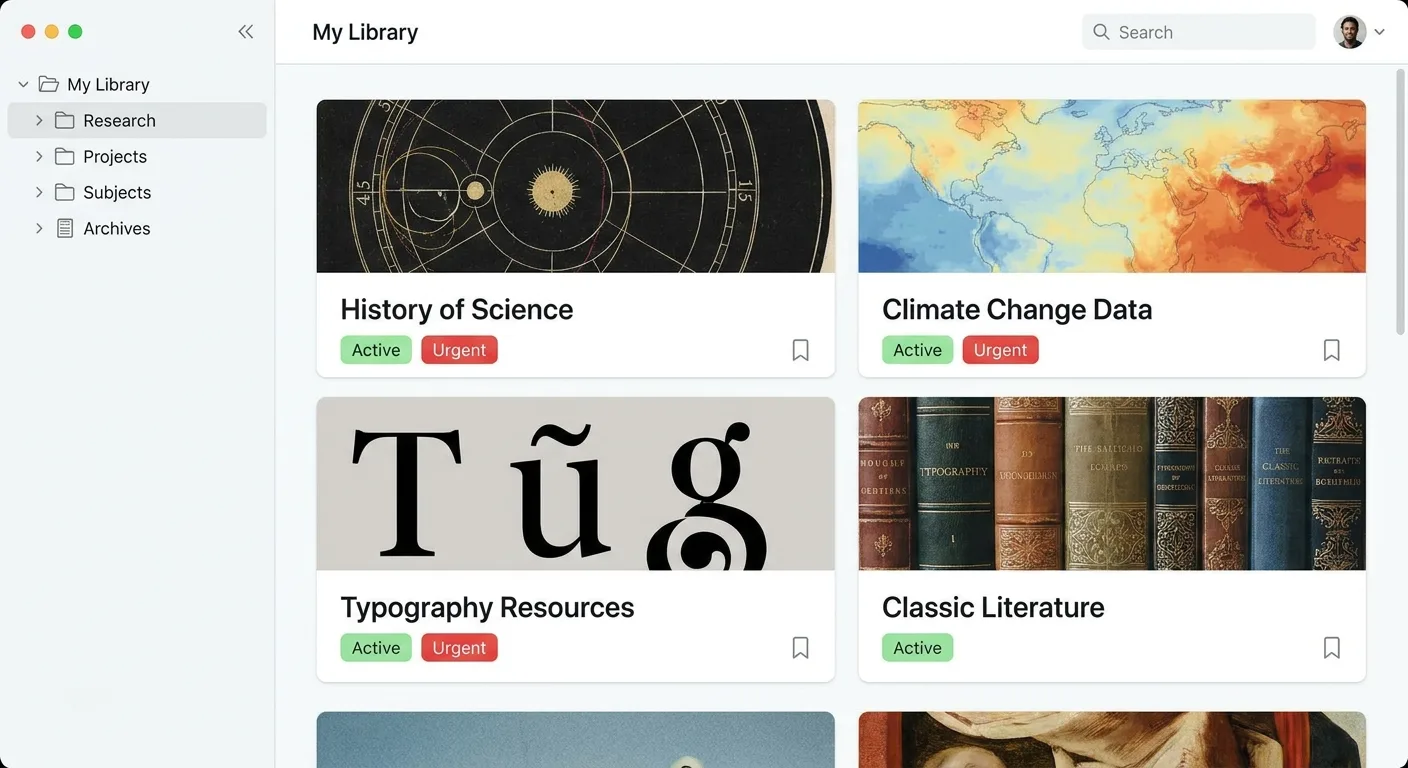
| Resource Type | Organization Method | Update Frequency | SEO Benefit |
|---|---|---|---|
| Tool collections | By function or price tier* | Monthly review** | High (comparison queries) |
| Tutorial libraries | By skill level or topic | Quarterly verification | Medium (how-to searches) |
| Case study archives | By industry or outcome | As new examples emerge | High (example-based queries) |
| Template repositories | By use case or format | Annual refresh | Medium (template searches) |
*Alphabetical is boring but works
**Monthly review sounds disciplined. Reality: I check when someone emails me a dead link, which is about every six weeks. Good enough.
Readers will link to this type of content, which builds SEO authority naturally. You’re creating something genuinely useful that solves the “where do I find…” problem for a specific audience. That’s evergreen value.
Include a submission form so readers can suggest additions. This keeps the resource current and engages your audience in maintaining quality.
6. Write the Onboarding Guide Your Past Self Needed
You recently figured something out. Moving to a new city. Starting a specific job type. Using complex software. Learning a platform.
You went through the confusion. You wasted time on dead ends. You eventually figured it out.
Write it down.
Document everything you wish someone had told you at the start. Include the obvious stuff experts skip, the weird gotchas that wasted your time, the specific recommendations that would have saved you research hours. This solves real pain points at the moment people need solutions most, which is why these blog ideas that make money perform well.
Structure it chronologically (first week, first month, first quarter) or topically (setup, common mistakes, advanced tips, resources). Both work depending on what you’re documenting.
Real examples: “Everything I wish I’d known before moving to Austin.” “Your first 90 days as a product manager.” “Setting up Figma properly from scratch.” The specificity matters. Generic onboarding guides already exist everywhere. Your specific experience and hard-won knowledge is what’s valuable.
Screenshots and step-by-step instructions increase usefulness dramatically. Show, don’t just tell. Walk someone through the exact process you figured out so they don’t have to reverse-engineer it like you did.
Acknowledge what’s specific to your situation versus what’s universal. This honesty builds trust and helps readers adapt your guidance to their circumstances. Not everything will transfer perfectly, and that’s fine if you’re clear about it.
When I moved cities for the third time, I finally wrote down the entire process. Takes me two days now instead of two weeks because I have a system. Published it. Helps other people, sure, but honestly it’s mostly for future-me when I inevitably move again.
Can monetize through affiliate links to recommended tools or services, but again, lead with value. Your recommendations need to be genuinely helpful before they’re revenue opportunities.
7. Translate Industry Jargon Into Plain Speech
Every field drowns in jargon. Acronyms, technical terms, insider language that excludes newcomers and confuses adjacent professionals.
You can be the translator.
Pick your industry or hobby and explain concepts clearly. Define terms without assuming prior knowledge. Break down processes into understandable steps. These personal blog design ideas around education and accessibility serve a huge audience.
Structure works well as term of the week, concept breakdowns, or jargon-free guides to specific topics. Include why the term exists, what it actually means in practice, and common misuses you’ve observed.
Visual aids help enormously. Diagrams that show relationships. Examples that illustrate concepts. Comparison tables that highlight differences between similar terms. Make abstract concepts concrete enough to visualize.
I spent my first year in tech completely lost in meetings. Finally started a glossary for myself. Turned it into a blog series. Other people admitted they’d been nodding along pretending to understand the same terms for months.
This builds authority while remaining accessible. You’re demonstrating expertise by explaining clearly, not by using more complex language. The ability to simplify is underrated and valuable, especially in fields that love their jargon.
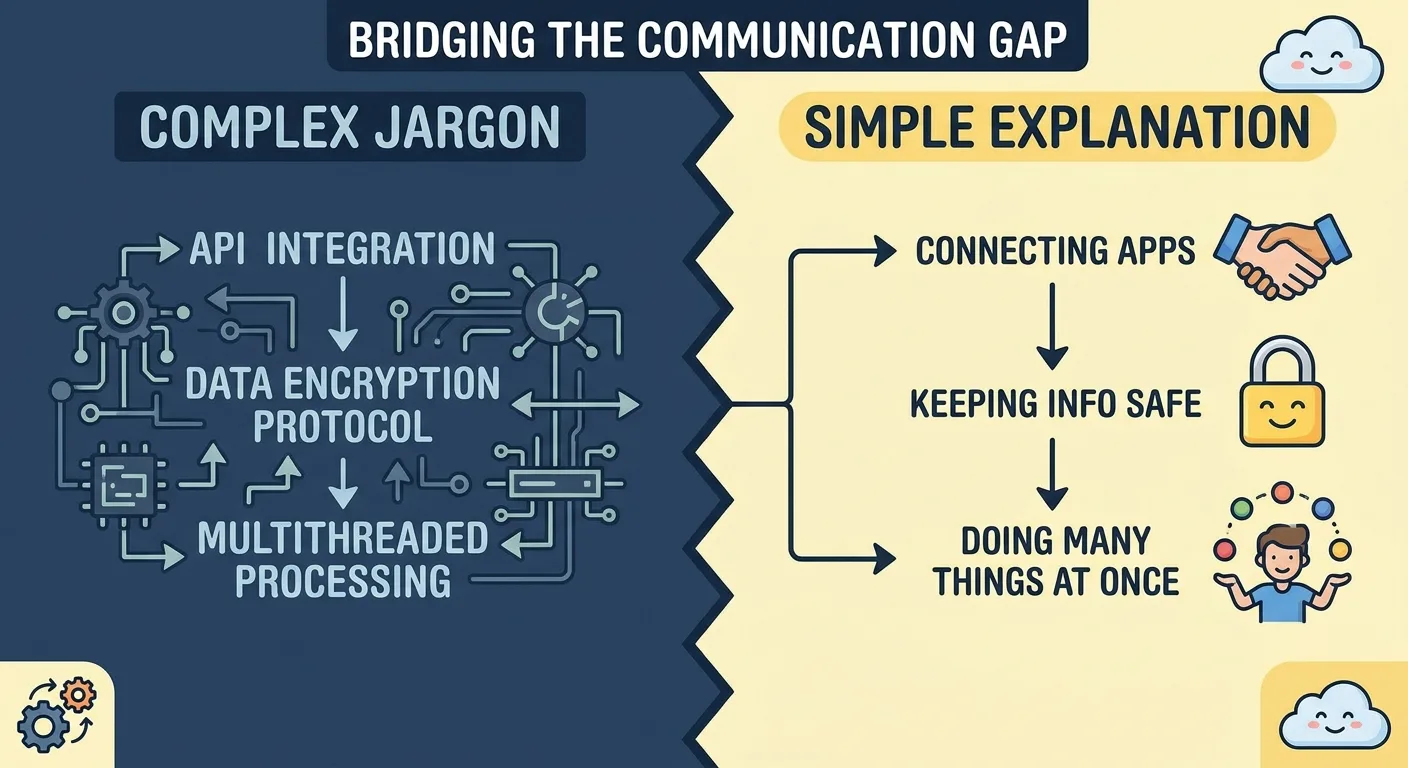
Works for technical fields, creative industries, finance, legal topics, any specialized domain with its own language. The audience includes people entering the field and adjacent professionals who need to understand but not become experts themselves.
Strong SEO benefit because you’re targeting question-based queries. “What does [term] mean?” “How does [process] work?” “What’s the difference between [A] and [B]?” People are searching for these answers, and most results assume too much knowledge or drown them in more jargon.
Can expand into video or podcast content because explanation works well in multiple formats. Your written guides become scripts for other content types when you’re ready to expand.
8. Track Micro-Experiments and Share the Numbers
Run small tests and publish the data. Real numbers, not vague “this worked great!” claims.
I tested four posting schedules for a month. Monday/Thursday, Tuesday/Friday, weekends only, random whenever. Tracked traffic for each. Monday/Thursday won by 40%. Tuesdays were dead. Weekends got good engagement but low traffic.
That’s it. That’s the blog post.
What makes experiment posts work:
You need actual numbers. Not “I got more traffic,” but “traffic went from 200 to 340 visits per week.” Specificity matters because readers can contextualize whether your results might apply to their situation.
You need to control enough variables to make it meaningful. I learned this the hard way. First experiment I ran changed three things at once, had no idea what actually worked.
And here’s the thing nobody tells you: failures are more useful than successes. When you prove something doesn’t work, you save everyone else the time. I’ve gotten more value from “I tried X for 60 days and it made zero difference” posts than from success stories.
Structure:
- What you tested and why you cared
- Exact method (so someone could replicate if they wanted)
- Numbers (real data, not feelings about how it went)
- What probably affected the results (were you sick that week? did an algorithm change? seasonal traffic dip?)
- Would you do it again?
Some experiments become long-term tracking. I’ve published quarterly updates on experiments that are still running 18 months later. That ongoing documentation, showing whether early results held up, is rare and valuable.
Transparency matters more than perfect methodology. Academic-level rigor isn’t the goal. “I tried this thing you’re probably curious about, here’s what happened” is enough if you’re honest about limitations.
Charts and graphs make data accessible. Show trends, comparisons, changes over time. Visualize the numbers so readers can quickly grasp the findings without parsing tables of raw data.
Authority-Building Personal Blog Ideas
These strategies position you as a knowledgeable voice in your space. You’re combining curation with original analysis and perspective. The goal isn’t viral traffic; it’s long-term reputation that compounds.
Requires consistency and genuine engagement with your topic. You can’t fake deep interest for long, and readers can tell when you’re going through motions versus really thinking through material.
Authority follows execution, not credentials. You build it by consistently providing valuable perspective, not by claiming expertise upfront.
9. Curate and Critique, Not Just Consume
You’re already consuming content. Articles, podcasts, tools, products. Add a layer of analysis and you’ve got unique blog ideas.
Weekly or monthly roundups of what you read with your actual take. Not just links and summaries, explain what’s valuable, what’s missing, what’s wrong. You’re providing judgment, context, and perspective that saves readers time.
Disagree constructively with popular takes when you have good reason. Explain why a widely-praised approach doesn’t work in certain contexts you’ve experienced. Connect ideas across different sources that others aren’t linking. Your synthesis is the value, not just the collection.
Different from aggregation because of the analytical layer. Anyone can collect links. Readers come for your filter, not just the source material.
I do a monthly “best thing I read” post. Takes me 30 minutes because I’m just explaining why something stuck with me. That’s it. No fancy curation system needed.
Structure could be best/worst of the week, critical reviews, thematic roundups connecting multiple pieces around a single question or trend. What matters is that you’re thinking, not just collecting and summarizing.
Builds your reputation as a thoughtful voice. Over time, people want to know what you think about new developments in your field because you’ve demonstrated considered judgment consistently.
Can focus on single industry or go cross-disciplinary. Depends on your attention span, honestly. I can’t write about the same thing for five years, I’d lose my mind. But if you’re obsessed with one niche, milk it.
10. Interview People One Step Ahead of You
You don’t need celebrity access. Talk to people slightly ahead on your path. They remember being where you are, and they’ll share practical advice because it’s still fresh.
Side note: I almost skipped interviewing people because I thought I needed a “platform” first. Turns out the interview request IS the platform. People say yes because they want to share, not because you have 10,000 followers. Wish I’d started this two years earlier.
Structure with consistent question format across interviews. This lets readers see patterns across different people’s experiences, which is more valuable than one-off conversations. Focus on specifics, not generalities. Ask about mistakes, underrated skills, resources they wish they’d known about earlier.
Transcribe and edit for readability. Written interviews work well because readers can scan, quote, and reference them easily. Can graduate to audio or video later, but start with what’s manageable.
Positions you as a connector in your space. You’re building a network while creating content. Most people will share the interview, giving you exposure to their audience organically.

Link back to interviewee’s work. This isn’t just courtesy; it provides value to readers and strengthens the relationship with your interview subject for potential future collaboration.
After 20 interviews, you’ve got something nobody else has. Your blog becomes a resource for anyone wanting to understand diverse approaches to the same challenges. That’s compound value from a consistent format.
Works for any field. Creative professionals, technical experts, business owners, academics, hobbyists. If there’s a path to follow, there are people one step ahead worth talking to.
11. Map Your Local Ecosystem
You have access to local information others don’t. Your city’s resources, scene, or industry presence. Document what you know from being there.
Guide to your city’s tech scene. Best coffee shops for working. Hidden music venues. Local business spotlights. Neighborhood comparisons for people considering moving there. This creates personal blog website ideas around place-based authority.
Update as things change. Local content requires maintenance because businesses close, venues move, new options emerge. That ongoing work is what makes the resource valuable instead of stale. Set a reminder every six months or you’ll forget for two years like I did.
Serves locals who want curated recommendations and people considering moving who need insider perspective. Different from Yelp because of your curation, context, and specific knowledge about what works for whom.
Can expand into adjacent topics: local policy, development patterns, cultural trends, industry clusters. You’re becoming the person who understands and explains your place, which creates opportunities you can’t predict.
Builds real-world connections as you document. Local businesses appreciate thoughtful coverage. Other locals become readers. You’re participating in your community while creating content, which beats sitting alone writing about productivity hacks.
Strong SEO potential for location-based queries. “[City] + [topic]” searches often have weak competition, and your local knowledge gives you an advantage national sites can’t match.
Local knowledge. That’s your unfair advantage here. You’re not trying to cover everything everywhere. You’re the expert on this specific place, which is actually a defensible position.
12. Create Comparison Tables No One Else Built
Comparison content ranks well and helps people make decisions. Pick categories where existing comparisons are shallow, outdated, or paid placements disguised as objective reviews.
Build detailed tables: features, pricing, pros/cons, use cases, limitations. You’re doing the work readers don’t have time for, and organizing it so they can actually make a decision.
Include criteria explanation so readers understand your framework. What did you prioritize? Why? This context helps them adapt your comparison to their specific needs instead of just trusting your ranking blindly.
The comparison table I built for email tools? Six hours of work. Gets 5,000 visits a month. Best ROI of anything I’ve published. Should’ve done it two years earlier.
Update regularly. Pricing changes, features get added, companies get acquired. Set calendar reminders and maintain the comparison or watch your rankings disappear. That maintenance is what keeps it valuable and ranking over time.
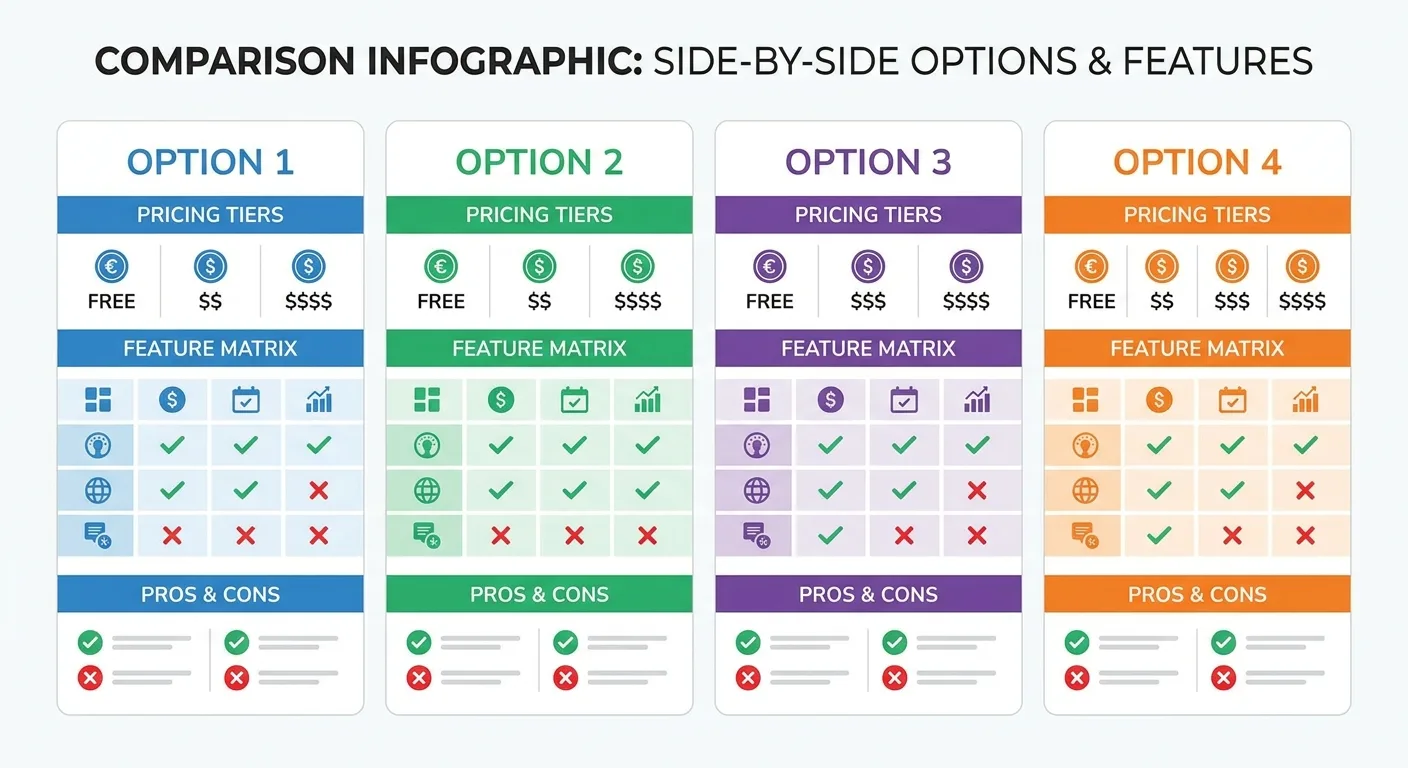
| Comparison Element | What to Include | Research Method | Update Schedule |
|---|---|---|---|
| Features | Core functionality, limitations, integrations | Product documentation, hands-on testing | When major updates release |
| Pricing | Tiers, hidden costs, refund policies | Official pricing pages, user reports | Quarterly or when changes announced |
| Use cases | Ideal scenarios, user types, deal-breakers | Real user reviews, personal testing | Semi-annually |
| Support quality | Response time, documentation depth, community | Direct testing, user feedback | Annually or after major incidents |
Add narrative sections explaining when each option makes sense. Raw comparison tables are useful, but context about who should choose what makes them more valuable and shows you actually understand the tools.
Different from affiliate spam because of thoroughness and objectivity. You’re genuinely trying to help people decide, not just pushing the highest-paying option while pretending to be neutral.
For blogs focused on digital tools, understanding which blog platform best serves your specific needs is itself a comparison worth documenting, since the choice affects everything from SEO capability to monetization options.
Strong SEO value for “[A] vs [B]” and “[category] comparison” queries. People searching these terms are close to decision points, making this traffic particularly valuable if you’re monetizing through affiliates or your own products.
Can expand into buying guides and decision frameworks once you’ve created the comparison. Build additional content helping people interpret and use the information you’ve organized.
13. Share Your Personal Finance System (Warts and All)
Financial transparency builds trust and helps others. Share your budget system, savings approach, investment strategy, and yes, your money mistakes.
Structure could be monthly money reports, system breakdowns, or course correction posts explaining what you changed and why. The ongoing documentation matters more than perfect results. People learn more from “here’s how I fixed my blown budget” than from “look at my perfect system.”
Include actual numbers if you’re comfortable. Percentages work too if you prefer privacy. What matters is specificity that readers can contextualize. Generic advice exists everywhere; your real implementation is what’s valuable for these personal finance blog ideas.
Don’t just share what works. Document what failed and why. That blown budget month, the investment you regret, the savings goal you abandoned because it was unrealistic. Failures are often more instructive than successes because they show what doesn’t work.
I shared my actual spending breakdown once. Got more emails from that post than anything else I’ve written. Half were “me too,” half were “holy crap you spend that much on coffee?” Both reactions are useful data points for readers.
Address your specific situation: income level, family size, location, goals, privileges. This context helps readers adapt your approach rather than copying it blindly. You’re not claiming your path works for everyone; you’re showing what works for someone like you.
Understanding your audience is fundamental to generating relevant blog ideas. Content strategist Jacquie Budd notes that asking key questions helps focus content: Who are they? What are they struggling with? What questions do they keep asking? When you answer these clearly, blog ideas become more focused, useful, and easier to write. This audience-first approach helps personal finance bloggers move beyond generic money advice and create content that addresses real financial challenges their readers face.
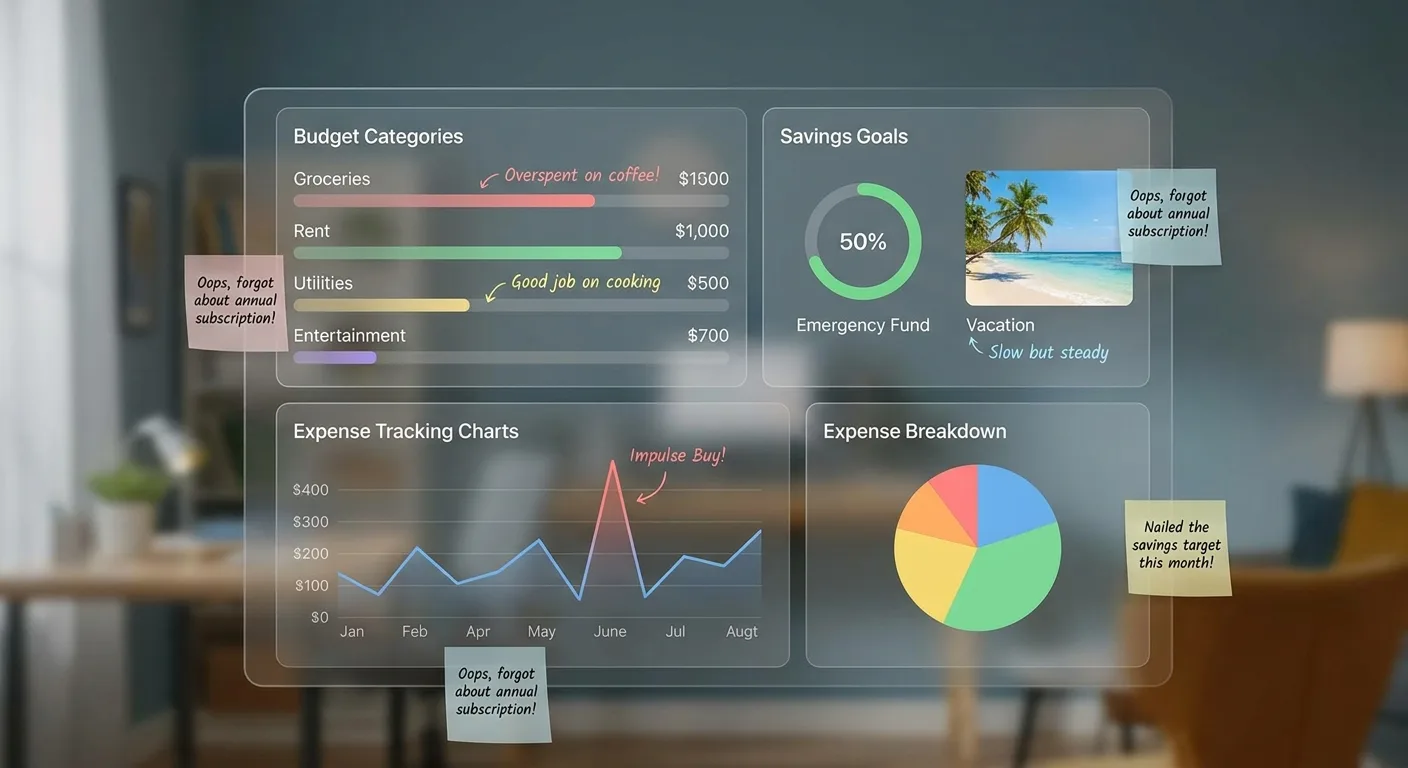
Link to tools and resources you actually use. Your real recommendations based on experience carry more weight than affiliate roundups of products you’ve never tried. I only recommend three budgeting tools because those are the only three I’ve actually used for more than a month.
Updates as your situation and strategy evolve show readers how financial systems adapt over time, which is more realistic than static perfect systems that never change. Life changes. Money systems should change with it.
Acknowledge privilege and limitations. Your path depends on circumstances others might not share, and transparency about that builds trust rather than resentment from readers in different situations.
14. Turn Your Niche Hobby Into Insider Content
Your weird hobby has an audience. Probably 5,000 people worldwide who are as obsessed as you are. Find them.
Pick something you’re genuinely obsessed with. Fountain pens, mechanical keyboards, coffee roasting, vintage cameras, houseplants, leather crafting. The narrower the niche, the less competition and the more your expertise stands out clearly.
Share your progression: what you learned, what you’d do differently, expensive mistakes, underrated techniques. Content that connects with people at every stage of the same journey because you’ve been through all those stages yourself.
Structure around technique breakdowns, gear reviews with actual long-term use data, community profiles, project documentation. Assume reader knowledge and go deeper than beginner content. You’re serving people who already care, not trying to convince skeptics why they should care.
Yes, you can blog about fountain pens. There are dozens of you. DOZENS.
Can monetize through affiliate links to specific products you genuinely use and recommend, consulting for people who want expert guidance, or creating products like guides and templates based on your expertise. But only after you’ve built trust through useful free content.
Different from general hobby blogs through specificity and depth. You’re not covering “photography”; you’re covering “large format film photography in urban environments” or “instant photography with expired film stock.” That focus attracts the right people and establishes clear authority.
Cross-post to niche communities and forums. Your people hang out in specific places online, and sharing valuable content there builds your blog’s audience organically without relying only on search traffic.
Can expand into adjacent topics as you grow. Once you’re known for one specific thing, you’ve earned permission to branch into related areas. But start narrow and go deep before going broad.
15. Chronicle a Single Project from Idea to Execution
Pick one meaningful project and document the entire journey in public. Building a SaaS product, writing a book, renovating a space, launching a business, creating a course.
The subject matters less than your commitment to transparent documentation over months or years. This becomes unique blog ideas because you’re showing the entire messy process most people hide.
Structure posts around the actual progression: initial idea and why it matters to you, research phase and what you learned, obstacles you hit and how you solved them (or didn’t), key decisions and the trade-offs you considered, outcomes whether successful or not.
Share decision points as they happen. Why did you choose this approach over that one? What factors weighed most heavily? This real-time decision-making is more valuable than polished retrospectives because it shows the uncertainty and trade-offs everyone actually faces.
Include resources, tools, costs, timeframe. Give readers the practical details they’d need to attempt something similar: screenshots, diagrams, budget breakdowns, timeline estimates based on your actual experience not your optimistic initial plan.
Be honest about failures and pivots. The project that goes exactly as planned makes for boring content and doesn’t teach anyone much. The problems you solved and the changes you made are the interesting parts that readers can learn from.
I documented building my first digital product. Shared every revenue number, every failed marketing attempt, every pivot. Some months were embarrassing. But three years later, those posts still help people because I showed what actually happens, not the highlight reel.
Updates in real-time create authenticity and stakes. Readers become invested in your success because they’re following along as it unfolds, not reading about something that already finished. The uncertainty is part of the value.
Different from case studies because it’s happening now, not retrospective analysis. You don’t know how it ends yet, and neither do your readers. That shared uncertainty creates connection.
Project blogs that demonstrate process often benefit from understanding how to write a blog post that balances narrative storytelling with actionable information, keeping readers engaged through both progress updates and transferable lessons they can apply.
Can compile into comprehensive guide after completion. All those individual posts become a complete resource showing the full journey from start to finish. That compilation has its own value beyond the individual updates for people who discover your work later.
Builds an audience invested in your success. They’ve followed the journey, celebrated wins, commiserated over setbacks. That connection is stronger than what you get from publishing only final polished results.
16. Build a Decision Framework Library
People in your domain struggle with recurring decisions. Which tool to choose, whether to pursue an opportunity, how to prioritize among options, when to pivot versus persist.
Help them think through it systematically instead of offering generic advice they can’t actually apply to their specific situation.
Create frameworks: step-by-step processes for common decisions in your field. Not just advice, but structured approaches people can apply to their specific situations even when the details differ from your example.
Structure each framework clearly: when to use it, what situation it addresses, step-by-step process with explanations for each step, examples showing it in action, common mistakes people make when applying it.
Examples: choosing between career paths, evaluating freelance opportunities, deciding whether to build or buy software, picking the right marketing channel for your specific business, determining when to scale versus optimize.
Include decision trees or flowcharts where they help. Visual frameworks often clarify decision processes better than text alone. Show the paths, the questions at each branch, the outcomes each route leads toward.
Based on your experience but structured for others to apply. You’re not telling people what to decide; you’re giving them a systematic way to think through decisions themselves with their own variables.
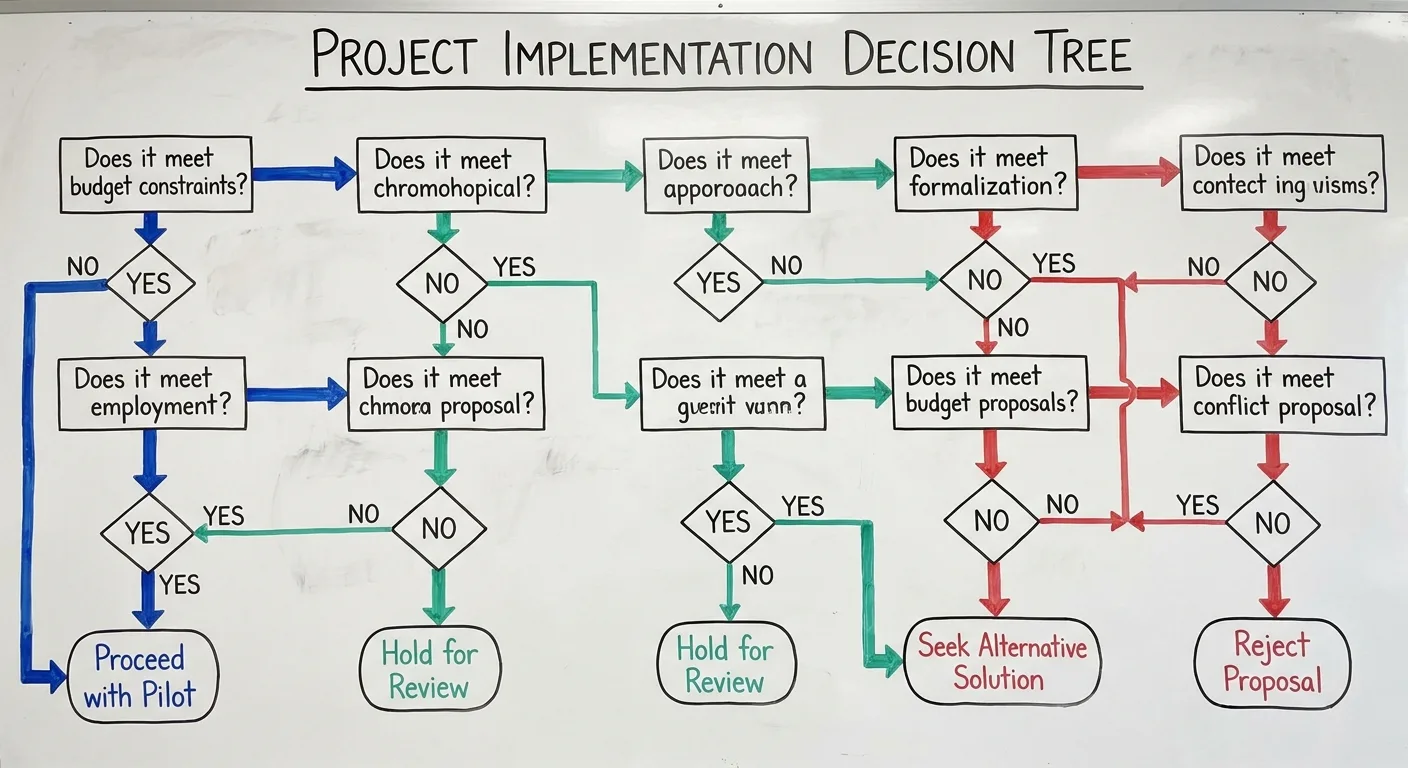
Different from advice because it’s repeatable. Someone can use your framework multiple times across different situations. That utility makes it bookmark-worthy and sharable in a way one-time advice isn’t.
Can create frameworks for buying decisions, strategy choices, life changes, professional development paths. Any domain where people face similar decision patterns benefits from structured approaches instead of starting from scratch each time.
Generates personal blog name ideas list around problem-solving and systematic thinking. You’re positioning yourself as someone who thinks clearly about complex decisions, which attracts consulting opportunities and speaking invitations.
Update frameworks as you refine your thinking. Your decision-making process will evolve with experience, and updating frameworks shows that evolution honestly. Readers benefit from your improved thinking over time.
Strong SEO for “how to choose [X]” and “how to decide [Y]” queries. People searching these terms need exactly what your frameworks provide: systematic approaches to decisions they’re actively facing right now.
Can expand into templates and worksheets. Turn frameworks into downloadable tools people can fill out as they work through decisions. This adds another layer of utility and creates potential lead magnets if you’re building an email list for future monetization.
When You Need Strategic Support
Look, if you want help with the technical SEO stuff, the keyword research, or figuring out why your posts aren’t ranking despite being useful, we do that.
The Marketing Agency works with people who want their blogs to actually show up in search results, not just exist in the void hoping someone stumbles across them.
We can audit what you’ve got, help you find better topics that people are actually searching for, or handle the optimization you don’t want to deal with because it’s technical and boring. Your job is creating good content. Our job is making sure people can find it when they search for solutions you’ve documented.
The difference between a blog that builds and one that stalls often comes down to proper technical foundation and search optimization. You can have excellent ideas and strong writing, but without the right structure you’re hoping for traffic instead of earning it systematically.
Final Thoughts
Most personal blogs die. Not because the internet’s too crowded, but because people treat them like diaries.
Nobody cares what you had for breakfast unless it solves a problem they have.
Took me three failed blogs to figure that out. Could’ve saved myself two years if someone had just told me: document what you’re learning, organize information people need, solve problems you’ve already solved.
That’s it. That’s the entire strategy.
The blogs that survive solve problems. They organize scattered information. They document processes people are actively trying to figure out. Your weird obsession matters more than your credentials, and starting before you’re an expert makes you more relatable, not less credible.
Pick one of these 16 approaches. The one you’ll actually stick with, not the one that sounds most impressive on paper or gets the most likes when you post about it.
The personal blog ideas worth pursuing are the ones you can sustain long enough to build something useful. The ones that align with how you already spend your time and attention, not ones that require you to become someone else.
You don’t need the most unique angle or the most profitable niche. You need the angle you’ll stick with long enough to build something useful. Sustainable beats clever every time.
The ideas sitting in your existing habits, frustrations, and knowledge gaps are usually the right starting points. What are you already researching? What problems do you keep running into? What information do you wish existed in one place? Start documenting that instead of waiting for the perfect idea that never comes.
Traffic and authority follow execution, not inspiration. Consistency and utility beat viral moments. Build the reference material, keep it updated, serve the people searching for what you’re documenting, and the rest follows.
Publish consistently for six months. See what happens. That’s the only way to know if it’ll work for you.
Frequently Asked Questions
How do I choose between different personal blog ideas?
Can personal blogs actually make money or are they just hobbies?
How often do I need to publish on a personal blog?
Do I need to show my face or use my real name for a personal blog?
What’s the difference between a personal blog and a business blog?
When personal blogs grow into business assets, understanding how to come up with blog topics systematically ensures you’re not relying on inspiration alone but building a sustainable content pipeline that serves both readers and business objectives without losing the authentic voice that attracted readers initially.