


Last Tuesday, a client messaged me: “I need blog examples.” I sent her the usual suspects, HubSpot’s stats database, Buffer’s transparency posts, Moz’s SEO guide. An hour later: “These are great, but which one do I actually use for my business?”
That’s the question nobody answers.
Every “blog examples” roundup shows you beautiful writing and impressive traffic numbers. None of them tell you which format to pick when you’re staring at a blank Google Doc on Monday morning with a Q3 content calendar to fill.
Here’s what actually matters: matching blog format to where your business is right now. A bootstrapped startup needs different content than a Series B company defending market share. A consultant building authority needs different formats than an e-commerce brand pushing products.
Businesses that maintain a blog see 55% more website visitors compared to those that don’t, but traffic without conversion strategy is just noise. The difference between a blog that generates leads and one that collects dust comes down to format selection, not writing talent.
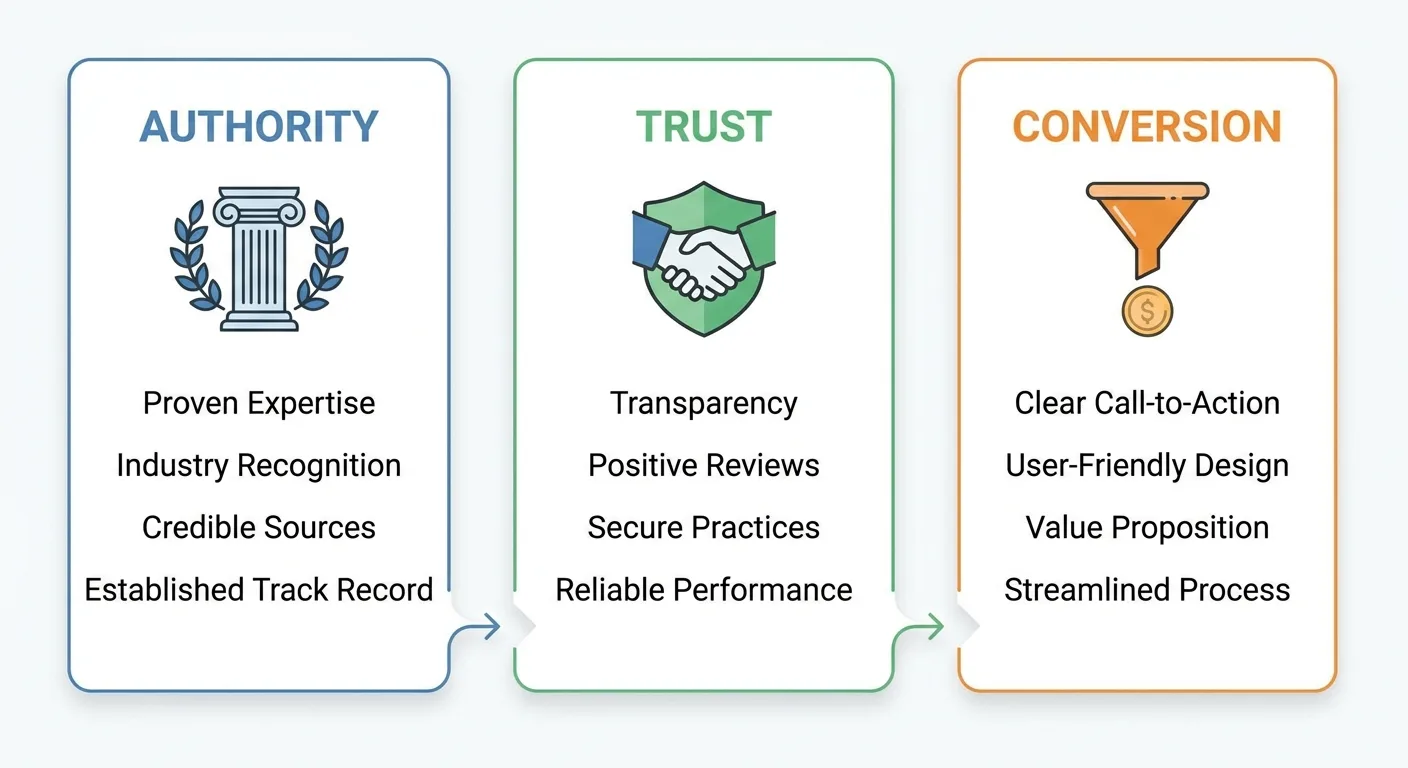
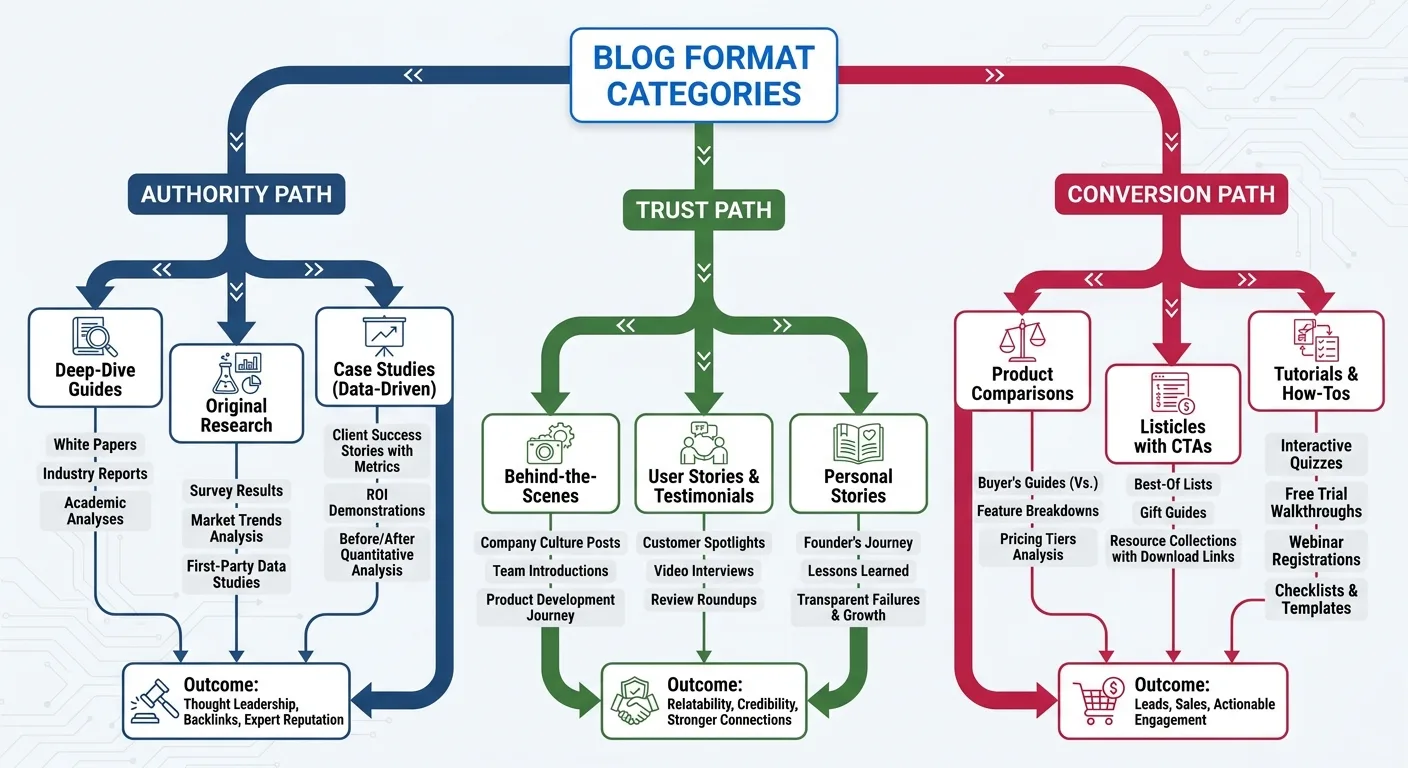
I’ve organized 17 formats into three categories based on what they do: build authority, build trust, or drive conversions. Some formats do all three. Most do one thing well. The trick is knowing which job you’re hiring the blog post to do.
Table of Contents
- The “First Draft Wins” Launch Post
- The Transparent Pricing Breakdown
- The Customer Interview as Case Study
- The Keyword-First SEO Tutorial
- The Product Development Progress Update
- The Contrarian Take on Industry Gospel
- The Side-by-Side Feature Comparison
- The “We Built This, Here’s How” Technical Walkthrough
- The Curated Resource List with Commentary
- The Problem-Centric Framework Explainer
- The Revenue Dashboard Transparency Report
- The “Here’s What We Got Wrong” Post-Mortem
- The Industry Data Analysis with Original Insights
- The “What We Use and Why” Tools Roundup
- The Live Event Recap with Takeaways
- The Process Documentation Series
- The Micro-Niche Expert Tutorial
TL;DR
Examples of a blog post matter less than understanding which formats drive specific business outcomes. Educational posts work when they solve immediate problems. Behind-the-scenes posts build trust. Process documentation generates long-term organic value.
Templates help beginners get started, but adaptability wins.
Copy the structure, not the content. Students need simpler frameworks. Businesses need conversion-focused approaches. Personal bloggers thrive on authentic narrative.
Most sample blog post examples focus on academic writing. These examples prioritize real-world application across beginners, marketers, and content teams.
Why Most Blog Post Examples Miss the Point Entirely
Most examples of blog post you’ll find online showcase great writing but skip the strategic layer. They don’t explain why this format works for this audience at this moment. You end up collecting templates without understanding the job each format performs.
The overlooked angle: match blog format to business stage and conversion intent, not just topic.
A startup launching needs different content than an established brand defending market position. A consultant building authority needs different formats than an e-commerce site driving transactions.
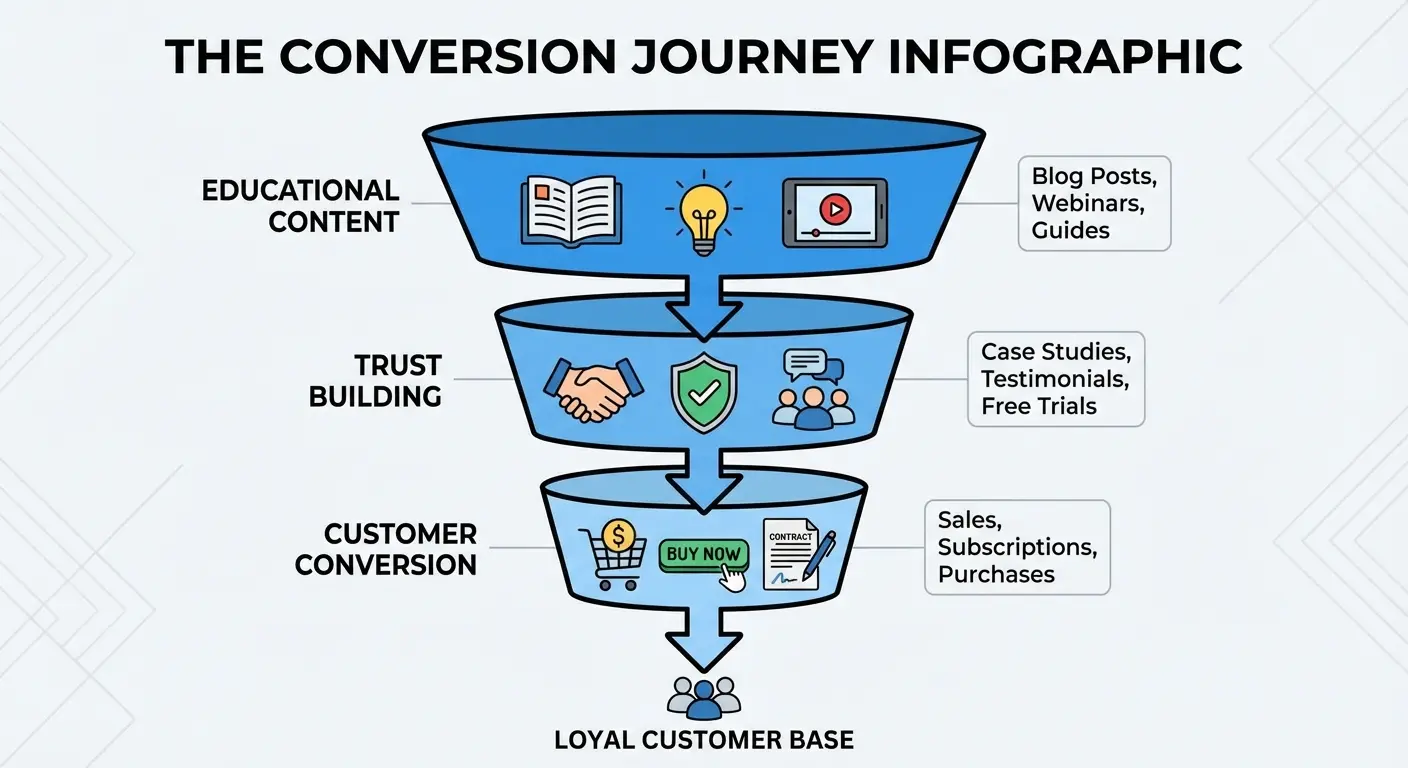
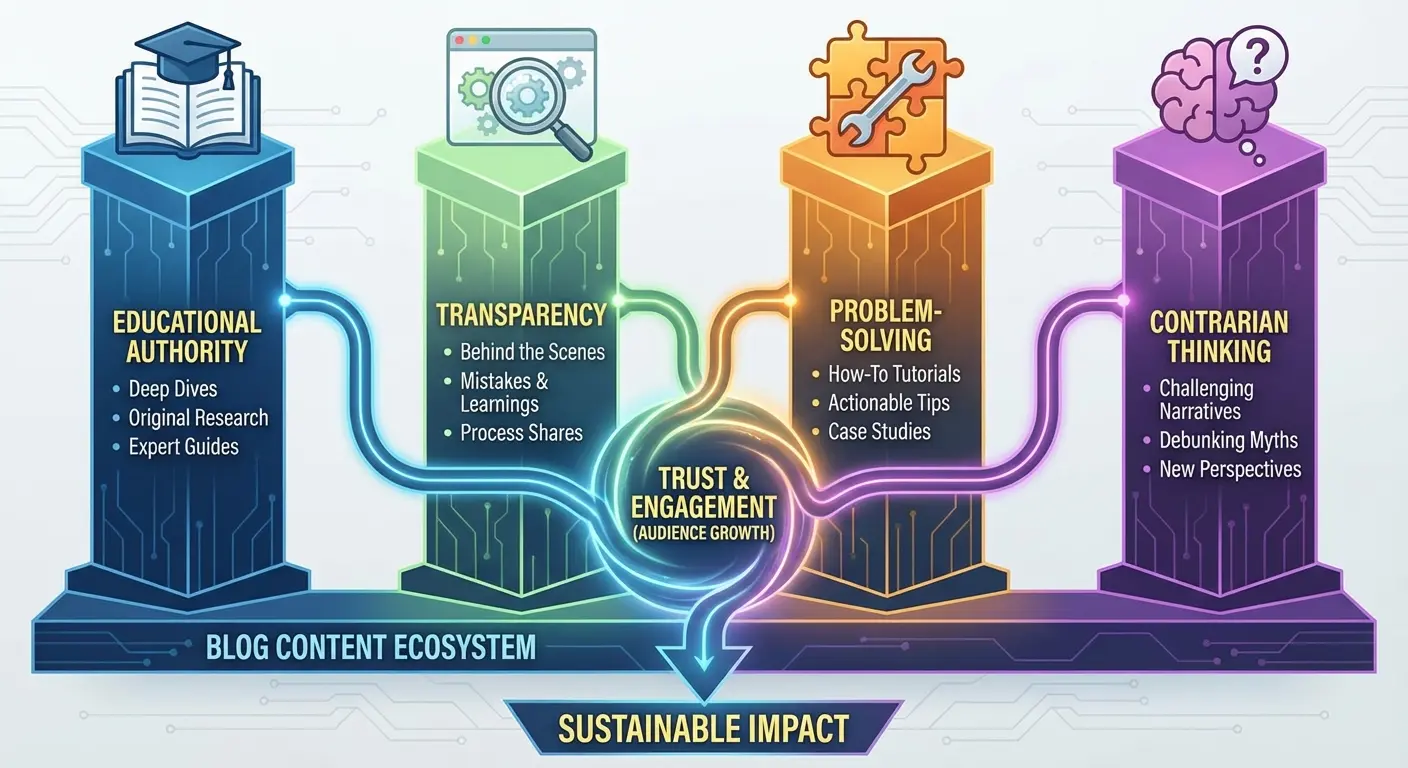
I organize blog formats into three categories aligned with outcomes: authority-building formats establish expertise and generate organic discovery, trust-building formats reveal process and build credibility, and conversion-driving formats remove friction from buying decisions. Learning how to write a blog post that converts requires choosing the right format first, then executing it well.
Blog examples for students differ from commercial content in tone and academic rigor, but they share structural principles. Clear thesis, supporting evidence, logical progression. The execution layer changes based on audience and intent, but the basic structure remains consistent.
Posts That Build Authority (Without Sounding Like Everyone Else)
Here’s what actually builds authority: answering questions nobody else bothered to answer completely.
These aren’t disposable posts people skim and forget. They’re reference material. The kind readers bookmark and return to six months later when they actually need to implement something.
This section introduces five blog post examples that demonstrate how depth, data, and utility create lasting value. 68% of online experiences begin on a search engine, making educational blogs discoverable when potential clients search for relevant topics. 66% of bloggers use SEO optimization strategies to drive traffic to their websites, demonstrating the strategic layer behind successful content. According to Orbit Media’s 2024 survey, bloggers who spend at least six hours crafting their articles report better results, validating the investment in comprehensive coverage.
Authority isn’t built by claiming expertise but by delivering answers that warrant a bookmark.
These formats work for SaaS, B2B, education, and professional services. The unifying trait: they answer questions comprehensively enough that readers don’t need to search elsewhere.
1. The “First Draft Wins” Launch Post

Most people waste their first post on an introduction nobody cares about.
“Hi, I’m Sarah. I’m starting this blog to share my journey in digital marketing. I’ve been in the industry for five years and I’m excited to share what I’ve learned. Stay tuned for weekly posts!”
Zero value. Zero reason to come back. Zero evidence you know anything.
Better approach: Solve a problem in your first post. Share a contrarian opinion. Publish a case study. Give people a reason to subscribe before asking them to subscribe.
When I launched our agency blog, the first post was “Why Your Content Marketing RFP Process Is Killing Good Vendors.” Pissed off half our prospects. Attracted exactly the right half.
That’s the filter you want. Your first post should repel bad-fit readers and attract the right ones.
I’ve seen companies waste three months on “who we are” posts before publishing anything useful. I’ve also seen blogs succeed by leading with a framework or analysis that immediately proved they knew their stuff. One asks for patience. The other commands attention.
Lead with value. Add credentials later.
Or skip the credentials entirely and let the value speak for itself.
2. The Transparent Pricing Breakdown
Most companies bury pricing behind contact forms and sales calls. Smart ones explain it publicly and reap the benefits.
Walk through what each tier includes, why it costs what it does, and who it’s designed for. Buffer’s pricing blog posts explain feature allocation and infrastructure costs, demystifying why certain capabilities live at different price points. This format works for agencies, SaaS platforms, and service businesses.
Transparent pricing pre-qualifies leads by filtering out bad-fit prospects before they consume sales resources. It reduces support burden by answering “How much does this cost?” before the conversation starts. Readers appreciate the respect for their time.
The risk: competitors see your pricing.
The reward: qualified prospects arrive informed and ready to evaluate fit rather than negotiate from zero context.
3. The Customer Interview as Case Study
Case studies written by marketers sound like advertisements. Interviews sound like conversations, and that authenticity matters.
Structure the post around the customer voice: the problem they faced, why they chose your solution, results they saw, and what surprised them during implementation. Quote liberally. Let the customer perspective dominate the narrative.
Groove’s early blog featured customer stories that detailed struggles and wins without the polish of traditional case studies. The raw honesty built trust because readers recognized their own challenges in the stories.
This format works for B2B companies, SaaS platforms, agencies, and consultants who need proof without sounding promotional. The credibility comes from letting someone else tell the success story. Your role is documenting their experience, not narrating your victory.
4. The Keyword-First SEO Tutorial
How to write a blog post examples often ignore the search intent mapping that makes educational content discoverable. Intro blog post examples frequently bury the answer under context and setup, frustrating readers who arrived with a specific question.
Start with the exact question people type into search engines, answer it directly in the first 100 words, then expand with context, examples, and edge cases.
Moz’s Beginner’s Guide to SEO covers fundamentals in depth and ranks for hundreds of related terms because it matches user intent at every level.
Include step-by-step instructions, screenshots, and examples that let readers implement immediately. Avoid preamble. Blog post introduction examples that delay value delivery lose readers before demonstrating expertise.
These posts generate compounding traffic over years. One comprehensive tutorial can drive more qualified leads than dozens of shallow posts because it becomes the reference resource for that topic.
5. The Product Development Progress Update
ConvertKit’s product development blog documented features before launch, creating anticipation and inviting feedback from their audience before code was final.
Share what you’re building, why it matters, and what’s taking longer than expected. Readers appreciate honesty about tradeoffs and technical challenges. This transparency humanizes your brand and differentiates you from competitors who only share polished outcomes.
Works for product companies developing new features, agencies building proprietary tools, and consultants creating frameworks or methodologies.
The in-progress documentation creates narrative momentum and invites early adopters into the development process.
The posts don’t need to be technical deep dives unless your audience demands that. Focus on the reasoning: why this feature, why this approach, what alternatives you considered and rejected.
Posts That Build Trust (By Showing the Work Behind the Results)
Now for the scary formats, the ones that require sharing what you’d rather hide.
Behind-the-scenes blogs break the fourth wall. They show process, mistakes, and reasoning instead of just outcomes. These formats work because they answer the skeptic’s question: “How do I know this is real?”
Transparency creates credibility in ways polished marketing can’t replicate. This category includes five blog post examples that reveal what most companies hide, from revenue dashboards to failed experiments. These posts require courage but generate loyalty and word-of-mouth.
Trust blogs succeed by revealing what competitors keep private. They work for startups, agencies, and personal brands. The unifying trait: they pull back the curtain on process, decisions, or outcomes.
6. The Revenue Dashboard Transparency Report

Buffer and Baremetrics made this format famous by publishing their revenue, expenses, churn rate, and growth metrics every month.
Sounds terrifying. It kind of is.
Share your monthly recurring revenue, burn rate, what’s working, what’s failing. Build trust with customers who value honesty over hype. Attract investors and partners who like that you’re not full of nonsense.
But here’s what nobody tells you: this only works if transparency is already part of your brand.
I watched a B2B SaaS company try revenue transparency in 2021. They published three months of dashboards, got modest engagement, then a competitor used their declining MRR numbers in a sales process. They killed the experiment.
Meanwhile, Buffer’s been doing it since 2013 and it’s central to their brand identity.
The difference? Buffer built transparency into their DNA from day one. The other company bolted it on as a marketing tactic.
If you’re considering this format, ask yourself: Are we actually transparent as a company, or are we just trying to look transparent?
One-off transparency posts feel like stunts. Ongoing disclosure demonstrates commitment. Go all-in or don’t go at all.
Not appropriate for every business, especially if you’re in a competitive market where financial disclosure creates strategic risk. But if your brand values align with radical honesty, this differentiates powerfully.
7. The “Here’s What We Got Wrong” Post-Mortem
Most companies hide failures in retrospective meetings and private documents. Smart ones dissect them publicly and turn mistakes into educational content.
Structure: what we tried, why we thought it would work, what actually happened, and what we learned.
Groove documented failed marketing experiments that cost them time and money, providing readers with insights that saved similar mistakes.
Readers value this content because it’s rare. Most blogs only share success stories, creating survivorship bias and hiding the messy reality of business experimentation. Documenting failures builds authority by showing intellectual honesty.
I tried the revenue transparency thing. It got us zero new customers and gave our competitor ammunition in a sales process. Unless you’re Buffer, skip it.
Works for agencies testing new client strategies, SaaS companies trying growth tactics, consultants experimenting with methodologies, and content creators exploring new formats. The vulnerability creates connection.
8. The “We Built This, Here’s How” Technical Walkthrough
Technical walkthroughs work for software companies, agencies, and developers who need to establish deep expertise with sophisticated audiences.
Document the problem, your solution approach, code or process snippets, and outcomes. Shopify Engineering Blog shares how they solve scaling challenges, attracting engineers who appreciate technical rigor while demonstrating capability to potential enterprise clients.
Include enough detail that a technical reader can learn and implement, but frame it with business context so non-technical stakeholders understand why it matters. The balance makes these posts valuable across roles.
These posts rank well for long-tail technical searches and attract high-intent readers who appreciate depth. They filter audiences effectively: casual readers bounce, but qualified prospects who need that level of expertise engage deeply.
9. The Curated Resource List with Commentary
Resource lists fail when they’re just aggregated links. They succeed when each entry includes why it matters, how you use it, and who should care.
This is where blog post layout examples become important: clear organization helps readers scan and find relevant tools quickly.
Backlinko’s tool lists explain what each tool does best, who should use it, and what limitations to expect. The commentary transforms a list into a decision framework.
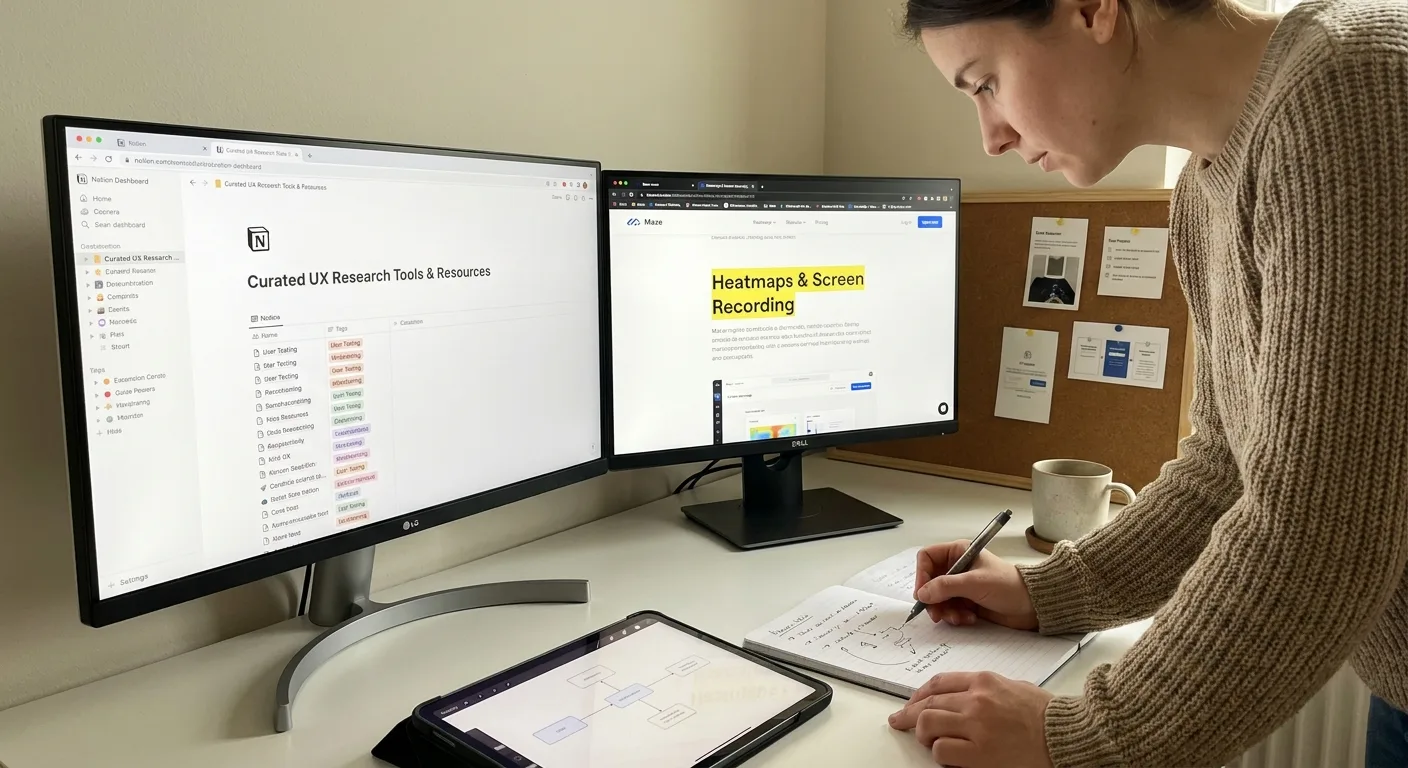
Add personal experience, use cases, and warnings. Works for software roundups, consulting resource guides, educational reading lists, and personal blogs sharing discovery. Updates well over time: refresh annually, add new entries, remove outdated options, and republish.
Readers bookmark these posts because they save research time. The value isn’t the links themselves but the curation intelligence and perspective you apply.
10. The Process Documentation Series
Document how you do repeatable work: onboarding clients, running campaigns, conducting research, managing projects. Break it into a series where each post covers one phase.
Help Scout’s customer service playbooks document support processes in exhaustive detail, becoming reference material for their industry. Each post stands alone but links to others in the series, creating internal linking structure and recurring traffic.
Readers learning how to start a blog benefit from serialized formats that reduce overwhelm by breaking complex topics into manageable pieces. The series structure builds anticipation and encourages readers to return for subsequent installments.
Positions you as the authority on that specific process.
Competitors can copy your tactics, but comprehensive process documentation demonstrates depth of expertise that builds trust beyond individual tips.
Posts That Drive Conversions (By Solving Immediate Problems)
These formats exist for one reason: move readers from “maybe” to “yes.”
They’re not subtle. They’re not soft-touch thought leadership. They’re problem-solution engines that map directly to revenue.
A November 2025 analysis from Typeface found that different blog formats serve different funnel stages: how-to posts educate, listicles engage, case studies build trust, opinion pieces raise awareness, and trend analysis keeps brands current.
This section covers seven blog post examples designed to generate leads, trials, or sales.
Each format solves a different stage of the buyer journey, from initial research to final evaluation. Conversion blogs succeed when they remove friction from a buying decision. They work for B2B companies, SaaS platforms, ecommerce, and agencies. The unifying trait: they answer “Should I buy this?” with evidence and frameworks.
11. The Problem-Centric Framework Explainer
Framework posts work because they help readers diagnose their own problems before you pitch a solution. Drift’s conversational marketing framework explains why real-time engagement matters before mentioning their product.
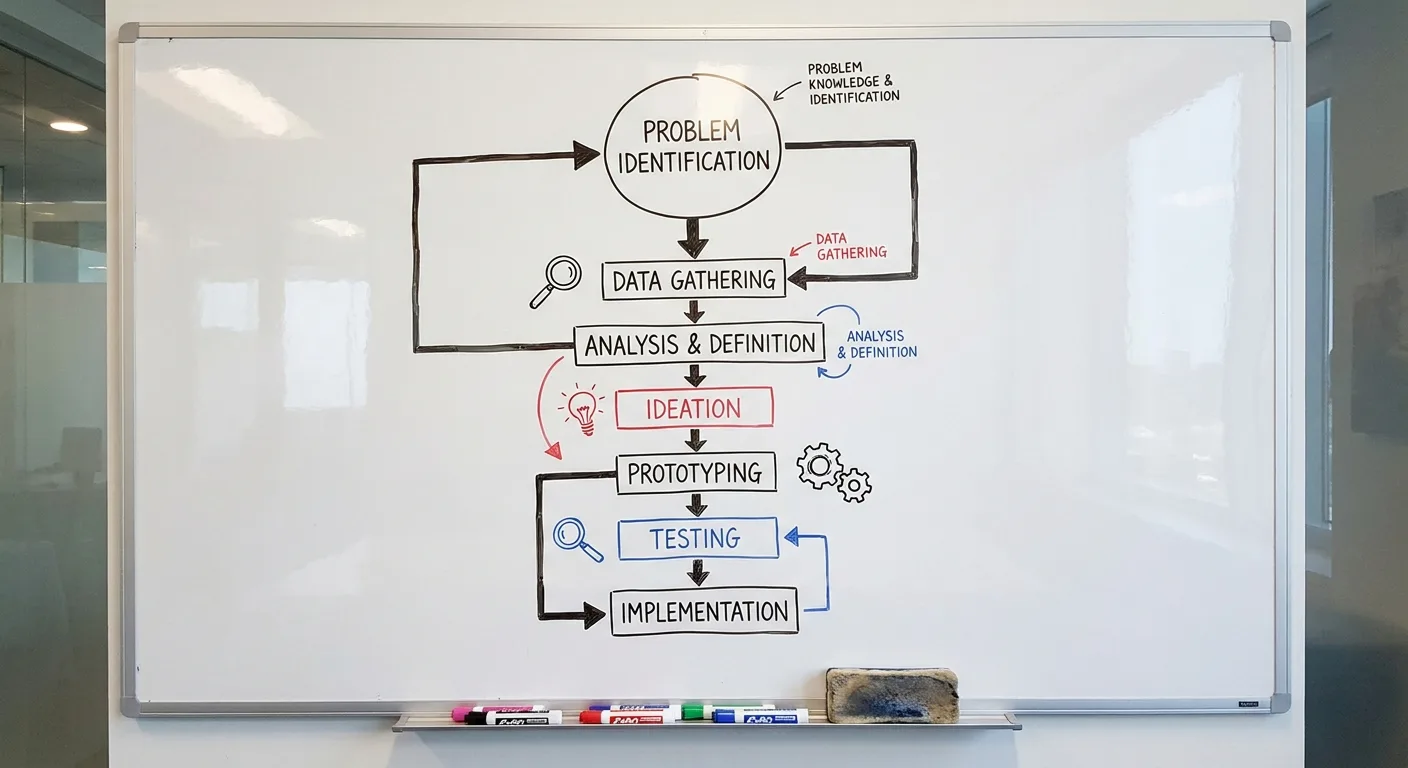
Structure: define the problem, explain why current approaches fail, introduce your framework, show how to apply it. Your product becomes the natural implementation tool rather than a forced pitch.
Works for consultants positioning methodologies, SaaS companies introducing new categories, and agencies demonstrating strategic thinking. Generates qualified leads because readers self-identify their need through the diagnostic framework.
The framework itself becomes intellectual property that differentiates your approach. Readers remember and share frameworks more readily than product features.
12. The Side-by-Side Feature Comparison

Comparison posts rank for “[your product] vs [competitor]” searches, capturing readers at decision stage when they’re actively evaluating options. This is a critical blog post format examples category because it intercepts high-intent traffic.
Be honest about where competitors excel. Build trust by acknowledging tradeoffs rather than claiming superiority across every dimension.
Ahrefs writes detailed comparisons against SEMrush, Moz, and other SEO tools, fairly assessing strengths and ideal use cases for each.
Include pricing transparency, use cases, feature tables, and recommendations for who each option suits best. If you’re genuinely better for certain use cases, that honesty converts better than blanket claims of superiority.
| Format Component | Purpose | Conversion Impact |
|---|---|---|
| Honest competitor strengths | Builds credibility | Increases trust in your assessment |
| Use-case matching | Helps readers self-identify fit | Pre-qualifies leads |
| Pricing transparency | Removes decision friction | Shortens sales cycle |
| Feature comparison table | Visual decision aid | Captures high-intent traffic |
13. The Contrarian Take on Industry Gospel
Contrarian posts work when you genuinely disagree with industry norms and can prove why the conventional wisdom fails. Basecamp’s anti-growth posts challenge startup culture and attract founders who share that skepticism. These can serve as compelling persuasive blog post examples when executed with evidence.
Structure: state the conventional wisdom, explain why it fails in practice, present your alternative approach, back it with evidence and examples.
This format attracts readers tired of hearing recycled advice.
Works for consultants differentiating methodologies, SaaS companies introducing category shifts, and thought leaders building personal brands. Creates brand differentiation through perspective rather than features.
The risk: contrarian content repels as many people as it attracts.
The opportunity: the people it attracts are more aligned with your values and approach, making them better long-term customers.
14. The Micro-Niche Expert Tutorial
Broad tutorials compete with everyone. Micro-niche tutorials dominate small, valuable search spaces where intent is precisely matched to your offering.
Zapier’s automation workflow tutorials solve specific use cases: “how to sync Typeform responses to Google Sheets” or “how to post Slack messages to Airtable automatically.” Each post targets one exact query with a complete answer.
Works for SaaS platforms documenting integrations, agencies demonstrating specialized expertise, and service providers showcasing narrow capabilities.
Generates lower traffic per post but higher conversion rates because readers arrive with precise intent.
The cumulative effect of dozens of micro-niche tutorials creates comprehensive coverage that positions you as the authority across an entire problem space.
15. The Industry Data Analysis with Original Insights
Data posts work when you analyze information nobody else has compiled or when you extract insights others missed. HubSpot’s marketing statistics database aggregates data from multiple sources and gets cited across the industry. These function as valuable scientific blog post examples and academic blog post examples when proper methodology is documented.
Structure: introduce the question or hypothesis, present the data and methodology, analyze what it means, offer actionable takeaways.
Generates backlinks from journalists and other bloggers who need data to support their own arguments.
Works for any business with access to proprietary data or the resources to compile public data into new frameworks. Establishes you as the authority on that dataset, making you the source journalists and researchers cite.
Requires rigor: methodology transparency, source attribution, and honest limitations. Sloppy data analysis damages credibility faster than it builds authority.
16. The “What We Use and Why” Tools Roundup
Tools posts work when they explain not just what you use but why you chose it, what alternatives you considered, and what didn’t work. Include what you switched from and honest limitations of your current stack.
Close shares their sales stack and explains their reasoning: why they chose each tool, what problems it solved, what tradeoffs they accepted. The transparency builds trust because it acknowledges that perfect solutions don’t exist.
Works for agencies demonstrating operational excellence, SaaS companies showing their own tool usage, consultants documenting processes, and personal brands building authority.
Can generate affiliate revenue if you include referral links, but disclosure matters.
Readers trust recommendations that acknowledge tradeoffs more than those that claim everything is perfect.
17. The Live Event Recap with Takeaways

Event recaps fail when they’re just chronological summaries. They succeed when they distill frameworks, quotes, and action items that provide lasting value. These can also serve as effective holiday blog post examples when recapping seasonal industry events or consumer-facing blog post examples when documenting public conferences.
Structure: identify key themes that emerged across sessions, highlight best presentations with specific takeaways, extract tactical action items, compile resources mentioned by speakers.
Works for conferences, webinars, workshops, and industry meetups.
Captures searches for “[event name] recap” and “[event name] takeaways,” driving traffic both during and after the event. Serves attendees who want to remember what they learned and attracts people researching whether to attend future editions.
Provides value to both audiences: attendees get organized notes, non-attendees get curated insights that help them evaluate participation.
Turning These Blog Post Examples Into FormatsYou’ll Actually Use
Templates help, but blind copying fails because voice and context matter more than structure. I’ve seen too many blogs that adopted the form of successful examples while missing the substance that made them work.
Identify which category matches your business goal: authority-building, trust-building, or conversion-driving. Choose 2-3 formats to test before expanding your content mix. Trying to execute all 17 formats simultaneously dilutes focus and quality.
Adapt structure, not content.
Your examples, data, voice, and audience context must be original. A blog post template provides scaffolding, but you need to supply the materials. Free resources exist in multiple formats: blog post template Word documents, blog post template Google Docs versions, blog post template free downloads, and blog post template PDF guides.
Blog examples for students differ in tone and academic rigor but share foundational formats with commercial content. Sample blog examples for students prioritize clarity and educational value, skills that translate directly to business contexts. Students benefit from blog post examples for students that demonstrate structure while allowing voice development.
Blog post examples for students PDF resources and short blog post examples for students focus on concise structure, but these same principles scale to longer commercial content. The difference is depth and commercial intent, not basic framework.
For those exploring personal blog ideas, these same formats work when adapted for narrative and authentic voice. Blog examples for beginners should start with simpler formats like curated resource lists or process documentation before attempting complex frameworks or data analysis.
| Format Type | Primary Business Goal | Ideal Use Case |
|---|---|---|
| Keyword-First SEO Tutorial | Authority + Traffic | When you need sustained organic discovery |
| Transparent Pricing Breakdown | Trust + Lead Qualification | When you want to filter prospects early |
| Customer Interview Case Study | Trust + Social Proof | When your product requires proof of results |
| Framework Explainer | Conversion + Education | When buyers need help diagnosing their problem |
| Side-by-Side Comparison | Conversion + Decision Support | When prospects are evaluating alternatives |
| Revenue Dashboard Report | Trust + Differentiation | When transparency aligns with brand values |
| Post-Mortem Analysis | Authority + Trust | When lessons from failure provide unique value |
Sample blog post examples succeed when they solve problems your specific audience faces. Test, measure, adapt. The format that works for a SaaS company won’t necessarily work for a consultant, and that’s the point. Strategic fit matters more than aesthetic appeal.
A SaaS client tried the contrarian format last year. Their “Why your CRM is lying to you” post got 300 shares and 40 qualified leads. Their safe “How to choose a CRM” post got 12 visits.
When Your Blog Exists But Nothing Converts
Most blogs fail not because of bad writing but because of strategic misalignment. Traffic without conversion signals a disconnect between content and business goals.
You might be writing authority content when you need conversion content, or vice versa.
A blog generating 10,000 monthly visits but zero sales calls indicates format mismatch, not execution failure. The readers arriving don’t match the readers you need, or the content doesn’t guide them toward a commercial decision.
The fix requires auditing existing content against business objectives, search intent, and buyer journey stages. Which posts drive traffic? Which build trust? Which convert? Most blogs accidentally optimize for one outcome while hoping for another.
Introduction blog post examples and introductory blog post examples often focus on brand story rather than reader value, creating the wrong first impression. About me blog post examples work for personal blogs but rarely convert in commercial contexts. Personal blog examples prioritize narrative authenticity, which builds different outcomes than business content optimized for lead generation.
Get this wrong and you’ll spend six months writing posts that get 20 visits each. Get it right and one post can drive 50 qualified leads.
The Marketing Agency audits existing content against conversion goals and maps blog formats to specific outcomes. We identify which posts drive traffic, which build trust, and which convert, then architect a strategy that balances all three. Our content marketing approach starts with understanding what success looks like for your business, then selects formats that produce those specific results.
If your blog analytics show visits but your sales pipeline stays empty, we can help you diagnose where the disconnect happens and which blog formats will actually move your numbers. We don’t write content that looks impressive in a portfolio. We build content systems that generate measurable business outcomes.
Final Thoughts
You don’t need to master all 17 formats. You need to identify which 2-3 align with your current business goal.
Authority, trust, or conversion.
Pick the category that matches where your business needs the most movement. If nobody knows you exist, build authority through educational tutorials and data analysis. If prospects don’t trust you enough to buy, share transparency and process. If qualified prospects arrive but don’t convert, deploy frameworks and comparisons that remove decision friction.
Test one format for 4-6 posts before evaluating performance. One post rarely proves or disproves a format’s effectiveness. You need enough repetition to refine execution and accumulate data.
I only use five of these formats regularly. The rest are here because clients keep asking about them.
Writing a blog post examples help you see what’s possible, but your execution determines what converts. Blog post writing examples provide structure, not shortcuts.
The best blog you can write is the one that solves a problem for someone who might become a customer. Everything else is just practice.
Start with the format that feels most natural, then expand once you’ve built momentum. Confidence comes from shipping work and seeing results, not from studying more examples.
Frequently Asked Questions
What makes a good blog post example for beginners?
I’d rather read a 600-word post that teaches me exactly how to export HubSpot contacts to a CSV than a 2,000-word post that vaguely discusses “data management best practices.”
Beginners overthink this. Pick a problem you solved last week. Document how you solved it. Publish it. That’s the format.
These accessible formats build confidence while teaching fundamental skills: research, organization, clarity. Master the basics before attempting advanced formats that demand proprietary data or contrarian positioning.
How do blog post templates help with content creation?
Blog post template resources provide structure that prevents blank-page paralysis and establishes consistency across posts. They work best when you preserve the framework but customize content, voice, and examples to match your audience and goals. Available formats include blog post template Word documents, blog post template Google Docs versions, free downloads, and PDF guides. The limitation: templates can’t replace strategic thinking about which format matches your business objective.
Templates reduce decision fatigue by handling structural questions, letting you focus energy on substance and perspective. Use them as scaffolding, not scripts.
A dentist in Austin used the customer interview format and booked 23 new patients from one post. She used a template for structure but filled it with specific patient stories and local context.
What’s the difference between student blog examples and business blog content?
Blog post examples for students typically emphasize academic structure, citations, and educational clarity. Business blogs prioritize conversion, authority-building, and audience engagement. Sample blog examples for students focus on demonstrating research and argumentation skills, while commercial content aims to solve reader problems that lead to business outcomes. Both require clear structure, evidence-based claims, and reader-focused value, but the intended outcomes differ significantly.
Blog examples for beginners can translate to business contexts when adapted for commercial goals. The shared foundation (clarity, structure, evidence) transfers across contexts even as tone and intent shift.
Short blog post examples for students teach conciseness, which translates directly to conversion-focused business writing where every word needs to earn its place.
Which blog format should I start with if I’ve never published before?
Start with a curated resource list with commentary or a process documentation post. Both formats leverage knowledge you already possess without requiring proprietary data, technical depth, or contrarian positioning. Resource lists let you add value through curation and perspective. Process posts document work you’re already doing. Both build authority without demanding expertise you haven’t yet developed through consistent publishing.
First blog post examples that solve immediate problems outperform introduction posts. Your audience cares about their needs, not your credentials. Lead with value.
Welcome blog post examples follow predictable patterns that signal inexperience. Skip the “Hi, I’m starting this blog” intro entirely and publish something useful on day one.
How long should I test a blog format before deciding if it works?
Test one format for 4-6 posts before evaluating performance. One post rarely proves or disproves effectiveness because you’re still learning the format’s nuances and your execution improves with repetition. Track both leading indicators (time on page, scroll depth, social shares) and lagging indicators (conversions, qualified leads, revenue attribution). Give yourself enough data to separate format failure from execution gaps before pivoting.
Patience matters, but so does honest assessment. If six posts show zero traction, the format may not match your audience or business model. Adapt or abandon, but give it a fair test first.
I’ve written 47 of these “framework” posts and about 40 of them were too complex for anyone to actually use. The format wasn’t wrong; my execution was. It took eight attempts before I figured out how to simplify complex ideas without dumbing them down.