



Hiring the right partner can feel like a gamble when everyone is promising you the moon. You need a way to filter out the noise and find the signal. We’re cutting through the sales fluff to focus on the hard metrics, technical standards, and financial logic that actually matter. We’re going to walk through exactly how to evaluate a digital marketing agency so your budget fuels growth, not just their overhead.

You have to be careful. It’s an open secret that account managers often juggle massive portfolios—sometimes 50+ accounts at once. That means “that you may be investing thousands of dollars in exchange for as little as 45 minutes per week in actual work” according to Qualified Leads. That lack of attention is exactly why you need a solid process for vetting digital marketing agencies.
Table of Contents
Here is the roadmap. We’ll start with the money, move into the tech stack, look at strategy depth, and finish with operational transparency.
-
Stop Paying for Hours and Start Investing in Outcomes
-
Is Your Agency Building for Yesterday or Tomorrow?
-
Generalists vs. Specialists: The Depth of Expertise
-
Demanding Radical Transparency
-
The Final Verdict
TL;DR
Time is money. If you want the cheat sheet on how to evaluate a digital marketing agency before diving into the weeds, here are the non-negotiables to look for.

When you’re comparing that list of top digital marketing agencies, make sure the price tag makes sense for the work being done. Use this digital marketing agency checklist to keep them honest:
-
Price reflects scope: Cheap retainers usually mean automated software on autopilot. Higher fees should buy you advanced creative work and complex segmentation.
-
Attribution is everything: Demand proof of value. Don’t accept “last-click” data that tries to take credit for organic wins you would have gotten anyway.
-
Future-proofing is mandatory: Your agency needs to be optimizing for LLMs (like ChatGPT) and using structured data, not just stuffing traditional SEO keywords.
-
Code quality impacts revenue: Bloated sites kill conversions. Make sure they build with clean code and put mobile performance first.
-
Specialization beats generalization: Complex industries need specific technical integrations (like IDX for real estate) that generalist agencies usually miss.
-
Transparency builds trust: You should always know the “why” behind a strategy and exactly where every dollar is going.
Stop Paying for Hours and Start Investing in Outcomes
Most businesses look at the bottom line of a proposal and stop there. That’s a mistake. You have to look at the logic behind the billing. A rock-bottom price usually signals a lack of strategy. A high investment is fine, but only if it comes with sophisticated modeling and a clear scope. You need to figure out if you’re paying for time spent or goals achieved when hiring a digital marketing agency.

|
Billing Model |
Pros |
Cons |
Best For |
|---|---|---|---|
|
Hourly Rate |
You pay only for time used. |
Incentivizes inefficiency; slow work = more profit. |
Small, ad-hoc maintenance tasks. |
|
Flat Retainer |
Predictable monthly costs. |
Agency might coast once the contract is signed (“set and forget”). |
Ongoing content or SEO management. |
|
Performance/Hybrid |
Aligns agency incentives with your revenue. |
Can be pricier if campaigns crush it; requires strict attribution. |
High-growth e-commerce or lead gen. |
Decoding the Price Tag: What You Should Actually Pay
Agencies break down costs based on how intense the channel is and the expertise required. You need to benchmark quotes against industry standards to spot the outliers. If a quote looks too good to be true, it probably is. Utilize a marketing budget calculator to double-check if the numbers align with your revenue goals.
When budgeting, keep in mind that “monthly retainers vary between $1,000 to $20,000+” depending on the scope and agency size, as noted by Vocal Media.
The Real Cost of PPC Management
PPC services usually rely on a management fee or a percentage of spend. Professional management typically lands between $750 and $5,000 per month. If you see quotes way lower than that, it usually means they’re using software to manage your ads with zero human oversight. Higher quotes are fine, but ask for proof of advanced optimization, not just simple account monitoring.
Why Email Marketing Quotes Vary Wildly
Inbound and email marketing take a lot of actual labor—both creative and technical. Inbound retainers generally sit between $500 and $3,000 per month. But robust email strategies designed to drive high ROI from existing users range from $1,200 to $10,000 per month. Ask the agency to explain the gap. They need to articulate why a campaign costs $10k (complex segmentation, custom design) versus $1.2k.
Proving It Worked: Beyond the Vanity Metrics
The most important question isn’t “How much?” It’s “Does it work?” Smart agencies never rely on a single data point. They use attribution modeling to prove the investment actually yielded a return.

Run the agency’s reported numbers through a marketing ROI calculator to verify their claims yourself. You want results like Caliber Collision, who saw a “323% improvement in return on ad spend” by utilizing data-driven strategies, according to Influencer Marketing Hub.
Escaping the Last-Click Trap
Steer clear of agencies that rely on “last-click” attribution. This model takes credit for traffic that likely would have converted anyway. Look for partners who dig deeper. They should be comparing first-touch, multi-touch, and time-decay models to really understand where to put your money.
The Scientific Method in Marketing
Marketing is a science. Your partner needs to show a cycle of hypothesis, test, and validation. Ask to see a past report where a hypothesis failed. Then ask how they adjusted the budget based on that data. If they claim a perfect track record, they’re lying.
The “Landing Page” Hypothesis
-
Hypothesis: Short-form copy will convert mobile traffic 20% better than long-form.
-
Test: A/B test running 50% of mobile ad traffic to Variant A (Short) and Variant B (Long).
-
Validation: After 1,000 clicks, Variant A converted at 3.5% vs Variant B at 1.2%.
-
Action: Budget shifted entirely to Variant A for mobile; Variant B kept for Desktop testing.
Aligning Strategy with Your Bank Account
Make sure the agency cares about your business goals, not just vanity metrics. Short-term traction needs PPC. Maximizing value from current users requires a pivot to Email Marketing. Strategy proposals should change based on your financial objectives, not just their service menu.
The “Show Me the Money” Audit Checklist:
-
[ ] Does the report show Cost Per Lead (CPL) or just “Total Clicks”?
-
[ ] Can they track a lead from the first ad click all the way to the CRM sale?
-
[ ] Do they report on Return on Ad Spend (ROAS) or just Impressions?
-
[ ] Is there a clear breakdown of “Management Fee” vs. “Ad Spend”?
Is Your Agency Building for Yesterday or Tomorrow?
The internet moves fast. An agency evaluating your business today needs to be ready for the internet of tomorrow. You need to check their stance on AI, Large Language Models, and web performance standards. Look for a balance of machine precision and human creativity.

Agencies in major hubs are already pivoting to this new reality. For instance, in Chicago, “innovation thrives, agencies must offer more than just basic marketing services; they need to bring unique, measurable value” reports Influencer Marketing Hub.
Optimizing for Answers, Not Just Keywords
Search is evolving from keywords to answers. Agencies now have to optimize for discovery engines like ChatGPT, Gemini, and Claude. This is a totally different skill set from traditional SEO. Modern agencies must prioritize answer engine optimization to ensure your brand gets cited by AI search tools.
Speaking the Language of AI
Check if the agency understands how to structure content and metadata so it is AI-readable. This ensures your brand appears in AI-generated search answers and summaries. This is quickly becoming the main way users discover businesses.
Standard SEO vs. LLM Optimization
-
Standard SEO: Stuffing the phrase “Best Plumber in Dallas” into H1 tags and meta descriptions.
-
LLM Optimization: Creating a structured FAQ schema that explicitly answers “How much does a plumber cost in Dallas?” with data-backed pricing tables that a bot like ChatGPT can easily read and cite as a source.
Code Quality Is a Marketing Asset
If a marketing agency ignores the technical foundation of your website, they’re setting you up to fail. You have to look at their technical competence regarding code quality and site architecture.

The Hidden Cost of Heavy Templates
Too many agencies rely on heavy templates and excessive plugins. This causes sites to crash on mobile or take 10+ seconds to load. Look for a partner who prioritizes clean, scalable code. Ask them point blank: do they build bloated sites, or do they optimize for speed and conversion from the first line of code?
Mobile-First Isn’t Just a Buzzword
Desktop-first design is obsolete. The agency should demonstrate a mobile-first audit process. They must ensure the site performs flawlessly on every screen size before they even look at the desktop version.
The Hybrid Model: Automation with Soul
Tech is vital, but total automation is a red flag. The ideal agency uses AI to amplify their strategists, not replace them.

Where Humans Must Draw the Line
Ask specifically what tasks are handled by AI and which are handled by humans. Code generation and QA automation are great for speed. But strategy, emotional resonance in copy, and logic need to stay 100% human.
|
Task Category |
AI Role (Velocity) |
Human Role (Quality) |
|---|---|---|
|
Content Writing |
Generating outlines, brainstorming titles, checking grammar. |
Injecting empathy, storytelling, interviewing SMEs, final tone check. |
|
Data Analysis |
Processing millions of data points, spotting anomalies. |
Interpreting why the anomaly happened and deciding the strategic pivot. |
|
Coding/Dev |
Writing boilerplate code, debugging syntax. |
Architectural planning, security auditing, UX logic. |
Keeping the Robot Out of the Creative
Ask about their stance on content generation. Using AI to churn out generic blog posts destroys trust with your audience. They should use AI for research and structure, but rely on human creativity to make sure campaigns feel authentic.
Speed of Action Matters
Look for proprietary systems that analyze campaign data in real-time. The ability to adjust ad spend and targeting parameters instantly is a key differentiator. Waiting for a monthly report just doesn’t cut it anymore.
Compliance and Accessibility Checks
Competent agencies use AI tools to run accessibility audits and performance modeling. This ensures your digital presence is legally compliant and accessible to everyone. It protects your brand reputation. This focus on compliance is a major differentiator. Recently, “Digital.Marketing has been named the top cybersecurity digital marketing agency” largely because of their “compliance-aware strategy” and understanding of “regulatory considerations” according to The Manila Times.
Generalists vs. Specialists: The Depth of Expertise
Think about the complexity of your industry. Highly regulated or technical fields often require specialized knowledge. A generalist agency might try to apply cookie-cutter tactics that completely miss industry-specific buyer journeys or technical integrations.

Case Study: The Complexity of Real Estate Marketing
Real Estate is the perfect example of why vertical expertise matters. Treating it like standard e-commerce is a recipe for disaster. You need to evaluate their ability to handle hyper-local nuance and technical integrations. Ask the agency to provide recent marketing case study examples that prove they understand the unique challenges of your specific vertical.
Zip Codes Over Generic Keywords
Generic keyword stuffing fails for location-based businesses. Check if the agency understands searcher intent specific to neighborhoods and cities. Real estate requires optimizing for specific zip codes and community names rather than just “homes for sale.”
The Hyper-Local Pivot
A generalist agency targets “Miami Condos.” A specialist agency targets “Brickell Miami 2-bed condos under $600k.” The specialist campaign yields 40% less traffic, but the conversion rate is 5x higher because the intent matches the specific inventory available.
Making the Website Talk to Sales
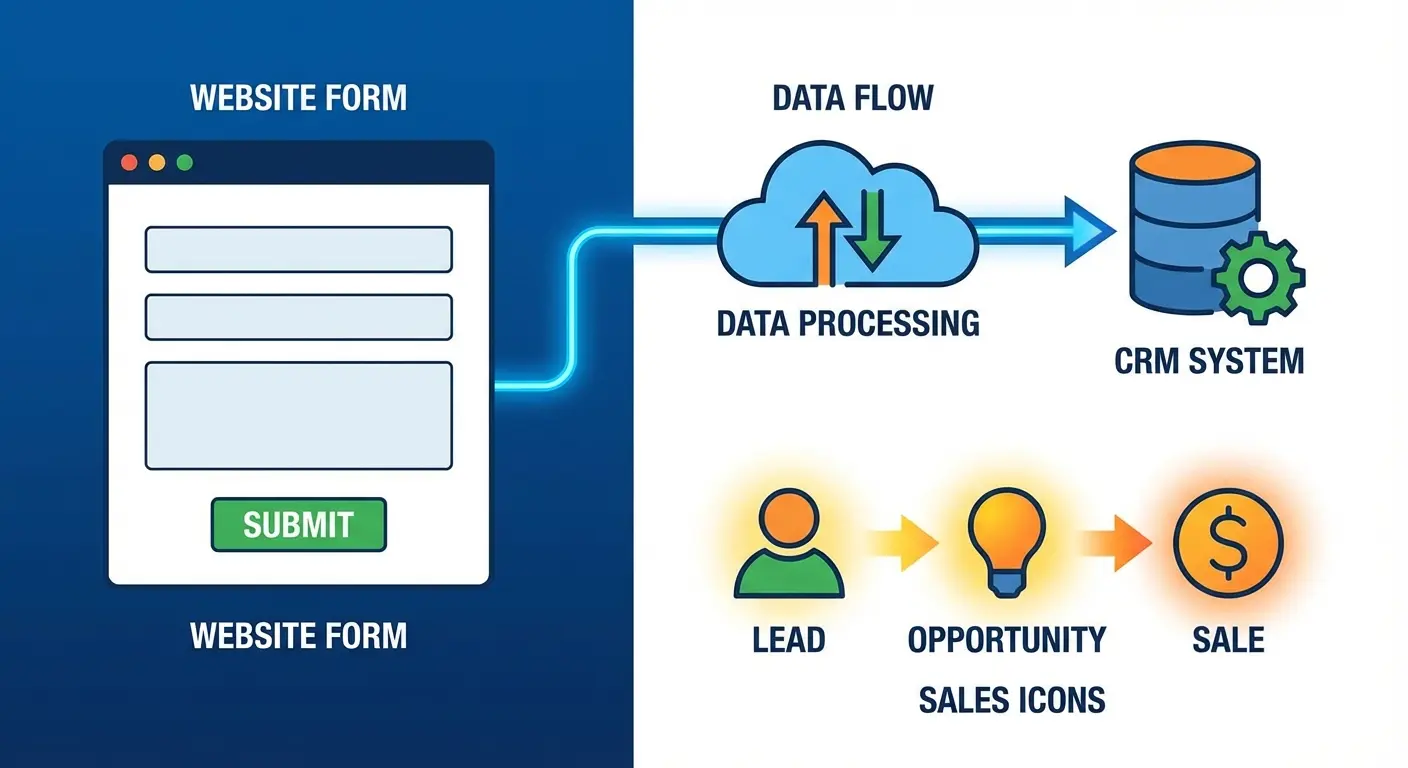
Your website has to talk to your sales tools. Real estate demands integration with IDX feeds and CRMs like HubSpot or Follow Up Boss. Ask the agency if they have experience connecting these specific dots to ensure seamless lead flow.
Handling Dynamic Listings
Listings change daily. An agency must know how to handle technical SEO for dynamic content to prevent broken links and ensure crawlability. If they don’t know about schema markup or structured data for listings, they lack technical depth.
Demanding Radical Transparency
The final layer of evaluation is cultural. You’re entering a partnership. This requires transparency in how they work, how they report, and how they view your growth.

The “Why” Behind the Strategy
Transparency cures anxiety. Make sure the agency is willing to explain the reasoning behind their actions rather than hiding behind buzzwords.
Knowing Exactly What You Bought
Avoid agencies promising vague optimization. Look for clear definitions of scope. You need specific deliverables for content, technical fixes, or ad creatives. You should know exactly where your budget is going.
How We Do Things at The Marketing Agency
We built our entire operation around these exact standards. You deserve a partner who combines financial clarity with technical foresight. We provide transparent pricing tiers so you understand the investment. Our team is already optimizing for LLMs to keep you visible in the future of search. We reject bloated code in favor of high-performance builds. Our proprietary systems analyze data in real-time to ensure your budget always targets the highest-performing narratives.
If you want a partner who uses machine precision and human creativity to boost your bottom line, The Marketing Agency is ready to work.
[CTA Button: Get Your Free Audit]
The Final Verdict
Evaluating an agency is about more than liking their pitch deck. It requires digging into their financial logic, analyzing marketing agency performance metrics, testing their technical chops, and ensuring they understand your specific industry. You have the framework now. Use it to ask the hard questions. Your business growth depends on the answers.
Knowing how to evaluate a digital marketing agency is the first step toward profitable growth.

Agency Vetting Scorecard Template
Use this simple scoring system (1-5) to compare potential partners.
|
Criteria |
Agency A Score |
Agency B Score |
Notes |
|---|---|---|---|
|
Financial Logic (Transparent pricing, ROI focus) |
|
|
|
|
Attribution Model (Multi-touch vs. Last-click) |
|
|
|
|
Technical Depth (Code quality, Mobile-first) |
|
|
|
|
Future Proofing (AI/LLM Strategy) |
|
|
|
|
Vertical Expertise (Industry specific knowledge) |
|
|
|
|
Cultural Fit (Transparency, Communication) |
|
|
|
|
TOTAL SCORE |
/30 |
/30 |
|