


I just watched a brand spend $47,000 on a TikTok campaign that got 2.3 million views and exactly zero sales.
When I asked their CMO what went wrong, she said, “But it went viral!”
Yeah, so did Gangnam Style, and that didn’t sell your product either.
Here’s what nobody wants to hear: virality without conversions is just burning money for likes. The viral trends that matter aren’t the ones getting the most views. They’re the ones creating measurable business outcomes while everyone else is distracted by vanity metrics.
This breakdown focuses on the mechanics behind viral content that moves metrics. You’ll find patterns you can systematize, psychological triggers you can replicate, and distribution hacks that work whether you’re selling SaaS or sneakers.
According to Hootsuite’s 2025 Social Trends Report, nearly one in three consumers skip Google altogether, instead starting their search journey on networks like TikTok, Instagram or YouTube. This number rises to more than half for Gen Z, fundamentally changing where brands need to show up. The platforms where these viral trends live aren’t just entertainment channels anymore. They’re the new search engines driving purchase decisions.

Fair warning: this list is heavy on Instagram and TikTok because that’s where I see the most viral-to-conversion action. If you’re crushing it on Pinterest or YouTube Shorts, some of this might not apply. Test anyway.
I’ve organized these into three layers: performance (direct conversion impact), engagement (retention and community building), and distribution (reach amplification). But honestly? Most trends do all three if you execute them right.
The Performance Layer: Trends That Convert
1. Deinfluencing Builds Trust Before the Pitch
Deinfluencing is backwards product promotion. You tell audiences what NOT to buy.
I’m probably going to get roasted for this, but deinfluencing is just influencing with extra steps. That said, the numbers back it up.
Brands using this approach build credibility before making their pitch. Here’s why this works: when you show restraint about what doesn’t work, your recommendations actually mean something. We’re seeing higher conversion rates on subsequent product launches because the audience trust is already there.
The play here isn’t to trash your competitors (that’s lazy as hell and everyone sees through it). Instead, genuinely educate your audience about common purchasing mistakes in your category. You become the authority who prioritizes their outcome over your commission. This trust-building approach mirrors successful TikTok case study strategies where authenticity drives conversion metrics.
|
Deinfluencing Content Type |
Trust-Building Mechanism |
Conversion Application |
|---|---|---|
|
“What NOT to buy” guides |
Demonstrates restraint and objectivity |
Positions your alternative as the educated choice |
|
Common mistake breakdowns |
Shows deep category expertise |
Qualifies leads who recognize their own errors |
|
Overpriced product callouts |
Proves you prioritize customer outcomes |
Creates price anchoring for your offering |
|
Feature comparison honesty |
Acknowledges limitations transparently |
Builds credibility for subsequent recommendations |
2. Sound-Off Videos Are the Default Now
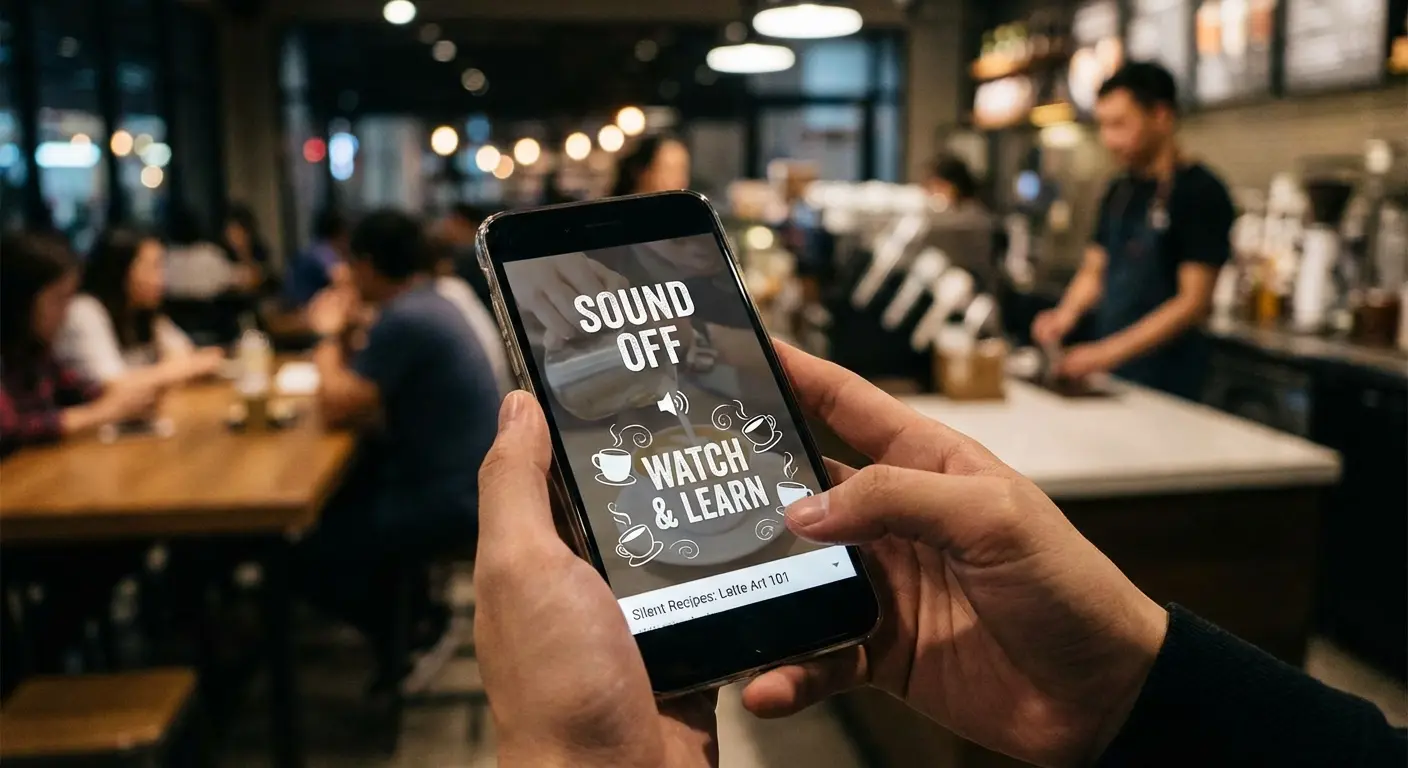
Most people scroll with sound off, yet brands still optimize for sound-on experiences.
Why?
Because nobody actually watches their own content the way real people do. They watch it at their desk, with sound on, nodding along to their own clever voiceover. Meanwhile, 85% of their audience is scrolling on the toilet with the volume off (probably higher if we’re being honest).
Text overlays aren’t subtitles anymore. They’re the primary communication vehicle. Successful executions use kinetic typography, visual metaphors, and rapid scene changes to maintain attention. The conversion advantage? Your message reaches everyone who scrolls without sound, and you force yourself to clarify your value proposition to its most essential form.
If you can’t explain your offer in visual shorthand, you probably don’t understand it well enough yourself.
3. AI Avatars: Use Them for Testing, Not Brand Face
AI-generated spokespersons are everywhere now. Most are creepy. Some work.
The viral ones work because they lean into the uncanny valley rather than trying to hide it. They acknowledge the artificiality while delivering genuine value.
Here’s the play: AI avatars let you test messaging variations at scale without video production costs. You can run 50 different script variations with the same “face” and let performance data tell you which value propositions resonate.
Last month a client asked me to make their CEO into an AI avatar. I asked why. They said “because it’s trending.” I asked what problem it solved. Silence. We didn’t make the avatar.
The personality debt comes from overuse without substance. I’ve seen brands pump out 50 AI avatar videos in a week and wonder why engagement tanked. Volume without value equals noise. An AI avatar delivering generic advice is just annoying. One delivering proprietary frameworks becomes a brand asset.
According to Sprout Social’s Q3 2025 Pulse Survey, 46% of social media users aren’t comfortable with brands using AI influencers, highlighting the critical importance of balancing automation with authenticity. The same research found that more than half (52%) of social users are concerned about brands posting AI-generated social content without disclosing it. Transparency isn’t optional here.
4. The 3-Second Product Reveal
Attention spans aren’t shrinking. They’re just more selective.
The viral product reveal format shows the end result in the first three seconds, then uses the rest of the video to explain how you got there. This inverts the traditional narrative structure where you build tension toward a payoff.
The conversion impact is measurable: you’ve qualified the viewer’s interest immediately. Everyone still watching after the reveal actually gives a damn about your solution, not just the outcome.
This format works particularly well for before/after transformations, complex product assemblies, or any offering where the end state is more compelling than the process. You’re running a qualification filter at the top of your content funnel.
5. Spotify Wrapped Mechanics for Every Brand
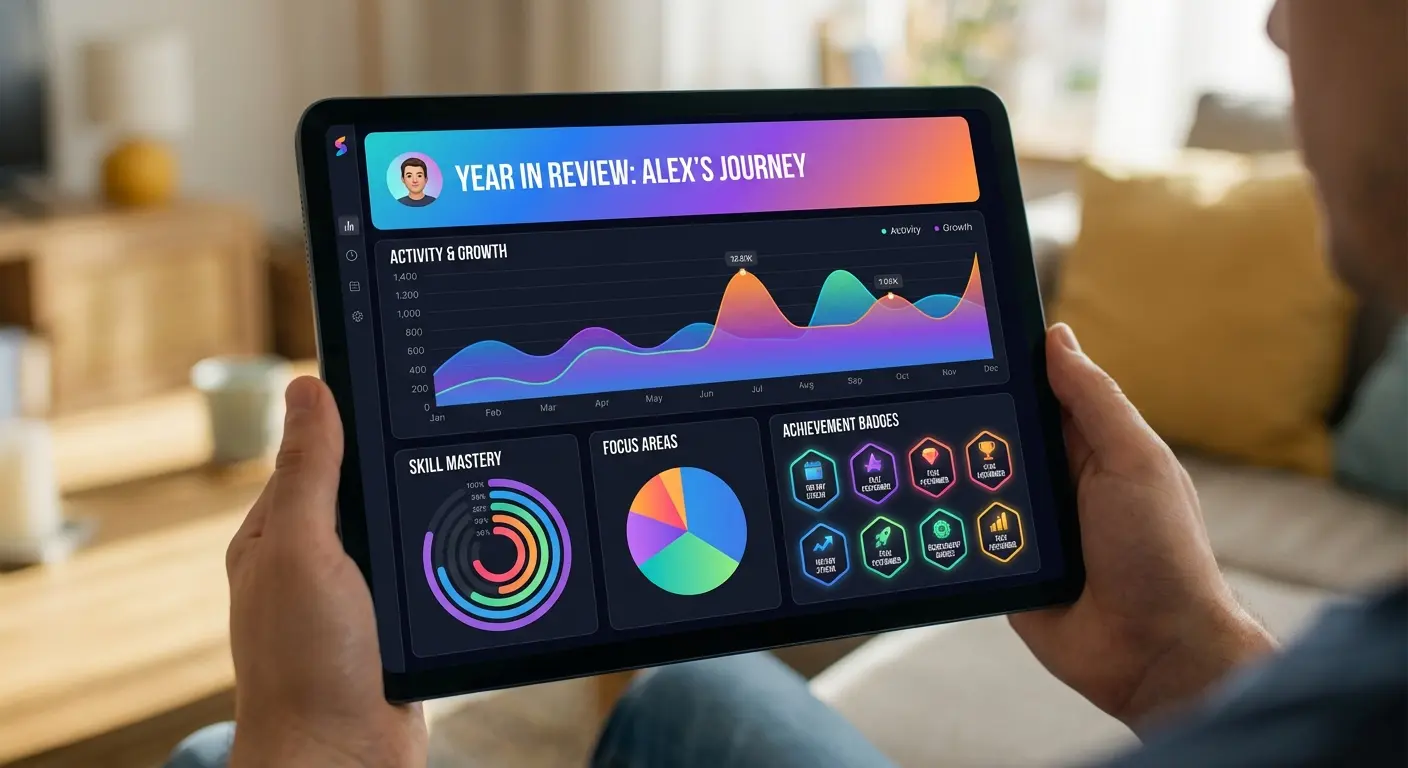
Personalized year-in-review content went mainstream when Spotify turned listening data into shareable social content. Now brands across categories are adapting this mechanic to their customer data.
Strava’s Year in Sport shows you exactly how many hours you spent suffering on a bike. Duolingo guilt-trips you with your streak data. Notion is probably tracking how many times you reorganized your workspace instead of doing actual work.
The viral coefficient is built in because the content is simultaneously personal (users want to share their own stats) and aspirational (viewers see what’s possible).
The marketing value extends beyond the social shares. You’re re-engaging dormant users by showing them their investment in your platform, creating a psychological anchor that improves retention. The data visualization also becomes a conversion tool for prospects who see the depth of insights your platform provides.
6. Search Bar Confessionals Intercept High-Intent Behavior
This format screenshots search queries to reveal customer intent in its rawest form. “How to tell if my marketing agency is underperforming” or “best alternative to [competitor name]” become content hooks that address unspoken concerns.
The virality stems from vulnerability. Everyone’s searched embarrassing or anxious queries. This format validates those concerns in a public forum.
How to use this: you’re creating content that intercepts high-intent search behavior and providing immediate answers. Each search bar confessional becomes a landing page opportunity optimized for the exact question your audience is asking. You’re not guessing at pain points. You’re literally screenshotting them from keyword research (which you should be doing anyway) and building content around documented search volume.
The Engagement Layer: Trends That Stick
7. POV Content That Drops You In
Point-of-view content traditionally required context-setting to orient the viewer. The viral evolution eliminates that preamble entirely.
“POV: You just realized your ad spend is going to bot traffic” followed immediately by the solution framework. The disorientation is intentional and effective. Viewers stop scrolling to figure out what’s happening, and by the time they’ve oriented themselves, they’re invested.
For brands, this format compresses the awareness-to-consideration journey into seconds. You’re not gradually introducing a problem. You’re assuming the viewer already has it and jumping straight to your expertise.
This works best when you’re targeting audiences with established pain points who don’t need education, just solutions.
8. Green Screen Testimonials Show the Seams
User-generated content meets social proof in this format where customers record testimonials against green screens, then brands add visual context in post-production.
You’re watching real people, but the production value signals that the brand takes customer feedback seriously enough to invest in presentation. This solves the authenticity-versus-polish tension that plagues most testimonial content.
The green screen makes it clear this was coordinated with the brand (no sketchy fake reviews here), while the unscripted customer reaction maintains credibility. The setup cost is minimal: send customers a green screen backdrop and basic recording instructions.
9. Duet Chains Create Self-Perpetuating Momentum
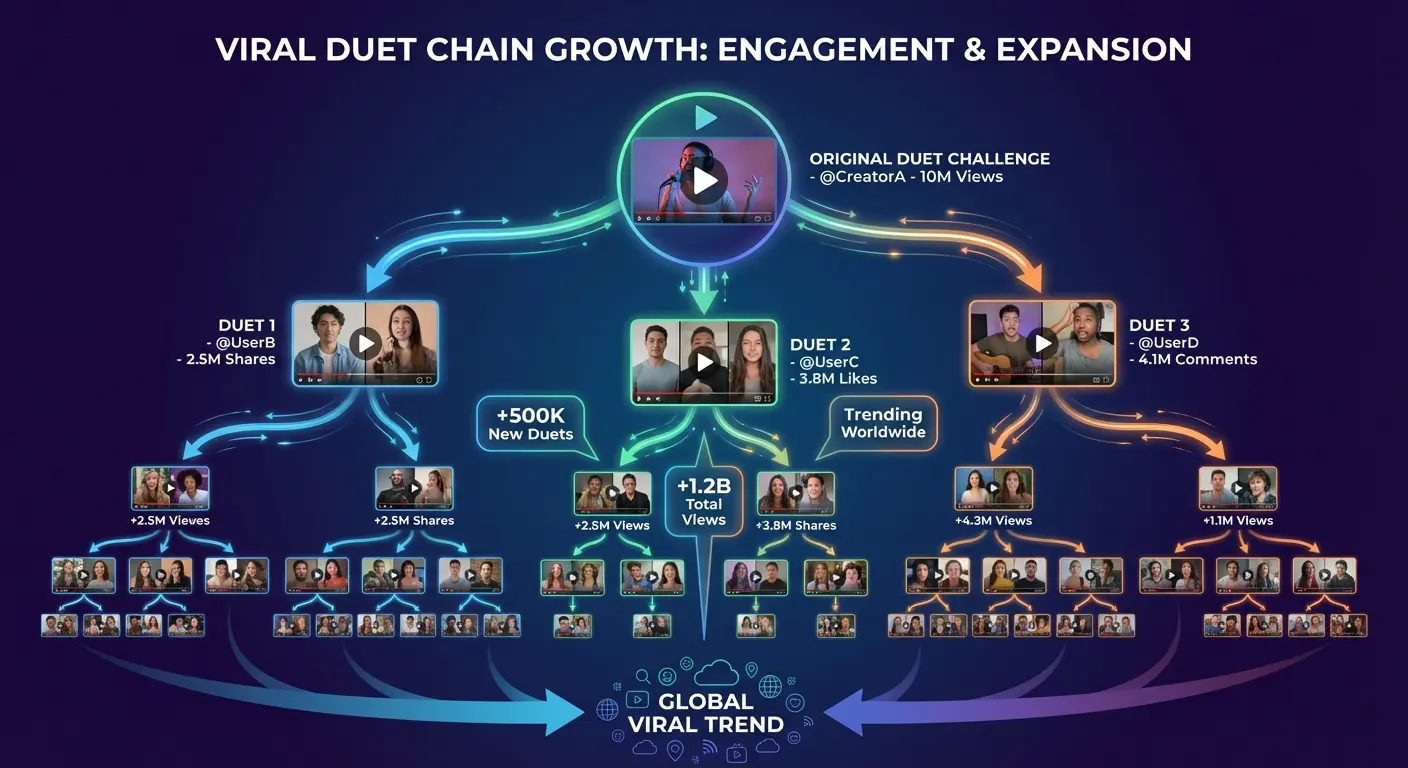
Platform features that enable response videos (duets, stitches, replies) create self-perpetuating content chains when used strategically. The viral mechanism isn’t your original video. It’s the cascade of responses it generates.
Brands are engineering this by creating intentionally incomplete content, provocative statements, or challenges that demand a response. Each duet exposes your original content to a new audience while adding social proof through participation volume.
You’re not just reaching one creator’s audience. You’re reaching everyone who follows anyone who participated.
Design content with response hooks built in. Ask questions with no single right answer, present controversial frameworks, or create templates others can personalize.
10. Niche Edits Build Micro-Communities
Fan edit culture has migrated from entertainment fandoms into brand communities. Customers are creating stylized video compilations of product usage, unboxing moments, or brand interactions set to trending audio.
These aren’t polished ads. They’re genuine expressions of brand affinity using the visual language of stan culture (is “stan culture” still a thing or am I aging myself here?).
This deepens existing customer relationships rather than acquiring new ones, which improves lifetime value metrics. You’re not creating content for a broad audience. You’re creating cultural artifacts for true fans.
Brands can encourage this by providing high-quality source material (product photography, video clips, branded assets) and featuring the best edits on official channels. You’re crowdsourcing your content production while strengthening community bonds.
11. “Wrong Answers Only” Teaches Through Humor
This interactive format invites intentionally bad advice, which paradoxically surfaces genuine expertise through humor.
“Wrong answers only: How should I allocate my marketing budget?” generates responses ranging from “Spend it all on billboards in rural Montana” to “Just boost every post and hope for the best.”
The engagement comes from the low barrier to participation. Everyone can be funny. The implicit education happening in the joke responses is the real value. Viewers learn what NOT to do while being entertained.
For brands, this accomplishes two goals: you’re generating comment volume (algorithmic boost) while educating your audience about common mistakes in your category. The wrong answers become teaching moments without the preachy tone of traditional educational content (which, let’s be honest, nobody reads anyway).
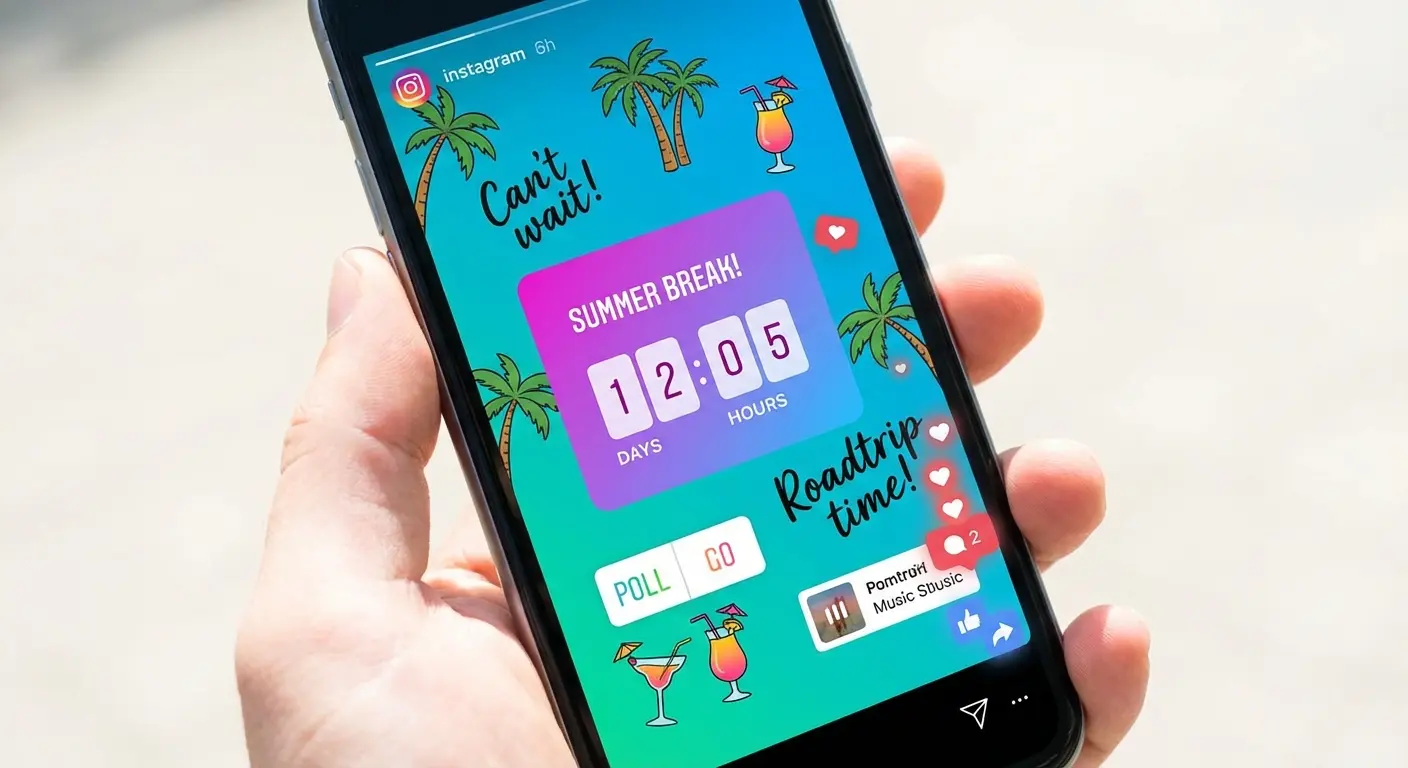
12. Countdown Stickers Create Artificial Urgency
Instagram’s countdown sticker transformed from a feature into a marketing tactic when brands realized it creates urgency while building anticipation.
The viral application extends beyond product launches into content releases, webinar registrations, or any event with a specific timeframe. Users who add the countdown to their own stories become distribution partners, and the sticker’s notification system re-engages them when the event occurs.
Here’s what actually happens when you use this: when someone adds your countdown to their story, they’ve made a micro-commitment that increases follow-through likelihood. The conversion impact shows up in higher attendance rates and launch day engagement because you’ve built momentum rather than dropping news cold.
Quick sidebar: I’m seeing countdown stickers everywhere now, including a pet grooming brand that used one to build hype for “Fluffy Friday.” It got 4x their normal engagement. I don’t understand it either, but the data is the data.
13. Reddit Screenshots Are Unfiltered Social Proof
Brands are mining Reddit threads for authentic customer discussions, screenshotting the most compelling exchanges, and repurposing them as social content.
The virality comes from Reddit’s reputation for unfiltered honesty. If someone’s recommending your product on Reddit, it carries way more credibility than a thousand Instagram testimonials.
This approach to leveraging authentic marketing case study insights from Reddit discussions creates powerful social proof. You’re showing prospective customers real conversations about your brand, demonstrating transparency by sharing unscripted feedback, and often surfacing use cases or benefits you hadn’t emphasized in official marketing.
You need to respect the community norms of the platforms you’re pulling from, which usually means crediting usernames and linking back to original threads.
14. Before/After Loops Without Transitions
Traditional before/after content includes the transformation process. The viral evolution eliminates the middle entirely, creating jarring loops that jump between states with no explanation.
This works because the cognitive dissonance demands attention. Your brain tries to fill in the missing information, which keeps you watching through multiple loops.
For brands with visual transformation products (design services, home improvement, photo editing, fitness), this format maximizes impact per second of content. You’re showing results density rather than process.
The missing methodology becomes a curiosity gap that drives comment questions and DM inquiries, moving engaged viewers into direct conversation.
15. Comment Section Storytelling Increases Time-on-Post
Some creators are using comment sections as narrative space, posting multi-part stories across sequential comments that viewers need to read in order.
This transforms passive content consumption into active engagement as users scroll through comments to find the continuation. Brands are adapting this for product education, customer success stories, or behind-the-scenes content that’s too detailed for the main post.
The engagement metric impact is obvious (comment count), but here’s the real value: time-on-post. The longer someone spends with your content, the more algorithmic weight it receives.
You’re also creating a choose-your-own-adventure dynamic where different comment threads can explore different aspects of your offering, letting users self-select into the information most relevant to them.
|
Comment Storytelling Format |
Engagement Benefit |
Best Use Case |
|---|---|---|
|
Sequential numbered threads |
Increases time-on-post and comment count |
Multi-step tutorials or processes |
|
“Part 1 in replies” hooks |
Creates curiosity gap driving comment exploration |
Customer success stories |
|
Choose-your-own-path branches |
Personalizes content experience |
Product feature education |
|
Hidden easter eggs in comments |
Rewards engaged followers |
Brand lore and community building |
16. Reaction Videos to Your Own Content
The meta-content trend of reacting to your own previous posts creates a self-referential loop that rewards longtime followers while remaining accessible to new viewers.
You’re providing director’s commentary on your own work, sharing what was happening behind the scenes, or updating predictions you made previously. I resisted this trend for months because it felt too meta, but the numbers changed my mind.
For brands, this format humanizes corporate content and provides low-effort content production. You’re literally just talking over existing videos.
This works best when you’re addressing how your thinking has evolved, admitting mistakes, or revealing the research behind controversial positions. The engagement mechanism builds parasocial relationships by pulling back the curtain on your content creation process. Viewers feel like insiders with access to the “real” you behind the polished posts.
The Distribution Layer: Trends That Spread
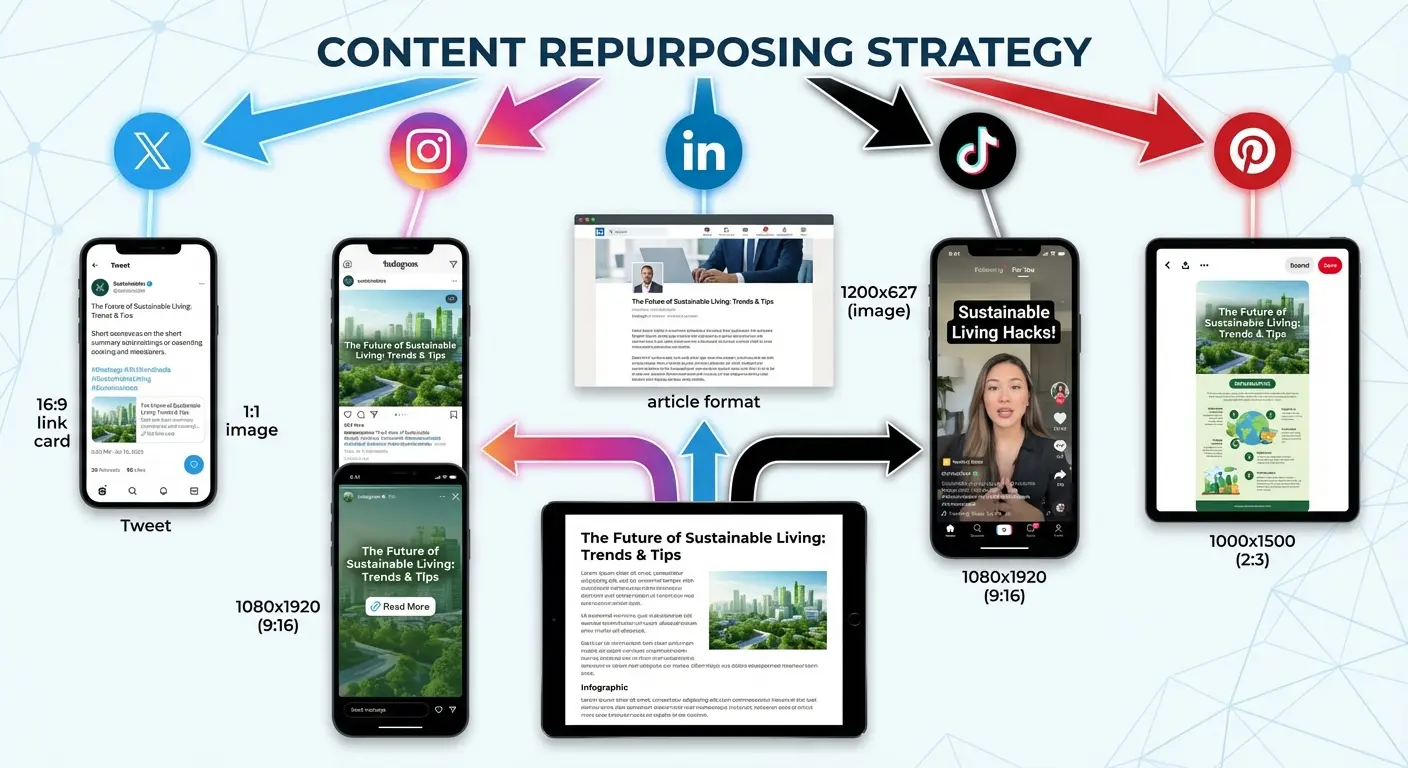
17. Cross-Platform Remixing Extends Content Lifespan
The viral content that achieves true scale isn’t optimized for one platform. It’s deliberately designed for transformation across multiple platforms.
A TikTok video becomes a YouTube Short becomes an Instagram Reel becomes a LinkedIn post becomes a Twitter thread. Each iteration isn’t just a repost. It’s a remix that speaks the native language of that platform.
You’re creating once and distributing infinitely, but only if you build platform-specific hooks into your original content. This requires planning your content architecture around modular components that can be rearranged.
A 60-second video might yield a 15-second teaser (Twitter), a 45-second highlight (Instagram), the full version (TikTok), and a text summary with embedded video (LinkedIn).
18. Algorithmic Bait That Actually Educates
Certain content patterns reliably trigger algorithmic distribution: lists, how-tos, myth-busting, and controversy. The viral approach combines these algorithm-friendly formats with genuine educational value rather than empty engagement farming.
“5 marketing metrics you’re tracking wrong” gets algorithmic preference because of the list format and contrarian angle, but it delivers actual strategic value. Understanding how to leverage Instagram case study insights helps identify which algorithmic patterns drive the most educational value.
The benefit is getting your best content in front of cold audiences who haven’t opted into your content yet. You’re using the algorithm’s preferences as a distribution vehicle for your expertise.
You have to know each platform’s specific algorithmic triggers. Instagram favors face-to-camera content and strong hooks in the first second. LinkedIn amplifies personal stories with professional insights. TikTok rewards watch-through rate above all else.
19. Fake Out Hooks (Use Carefully)
This controversial format opens with a provocative statement that seems to contradict the brand’s position, then pivots to the actual message.
“AI is ruining marketing” (three-second pause) “…is what people who don’t understand AI keep saying.”
The fake out creates a pattern interrupt that stops scrolling while setting up a reframe. You’ve triggered a response (agreement or outrage) in the first seconds, which creates investment in seeing where the content goes. By the time you’ve pivoted, the viewer is committed.
For brands, this format works when you’re addressing common objections or misconceptions in your space. You’re not being deceptive. You’re acknowledging the counterargument before dismantling it.
The risk is alienating viewers who don’t watch long enough for the pivot. I’ve killed campaigns because the fake-out was too aggressive and we lost trust we couldn’t rebuild. This works best with audiences already familiar with your perspective.
20. The Scroll-Stop Thumbnail
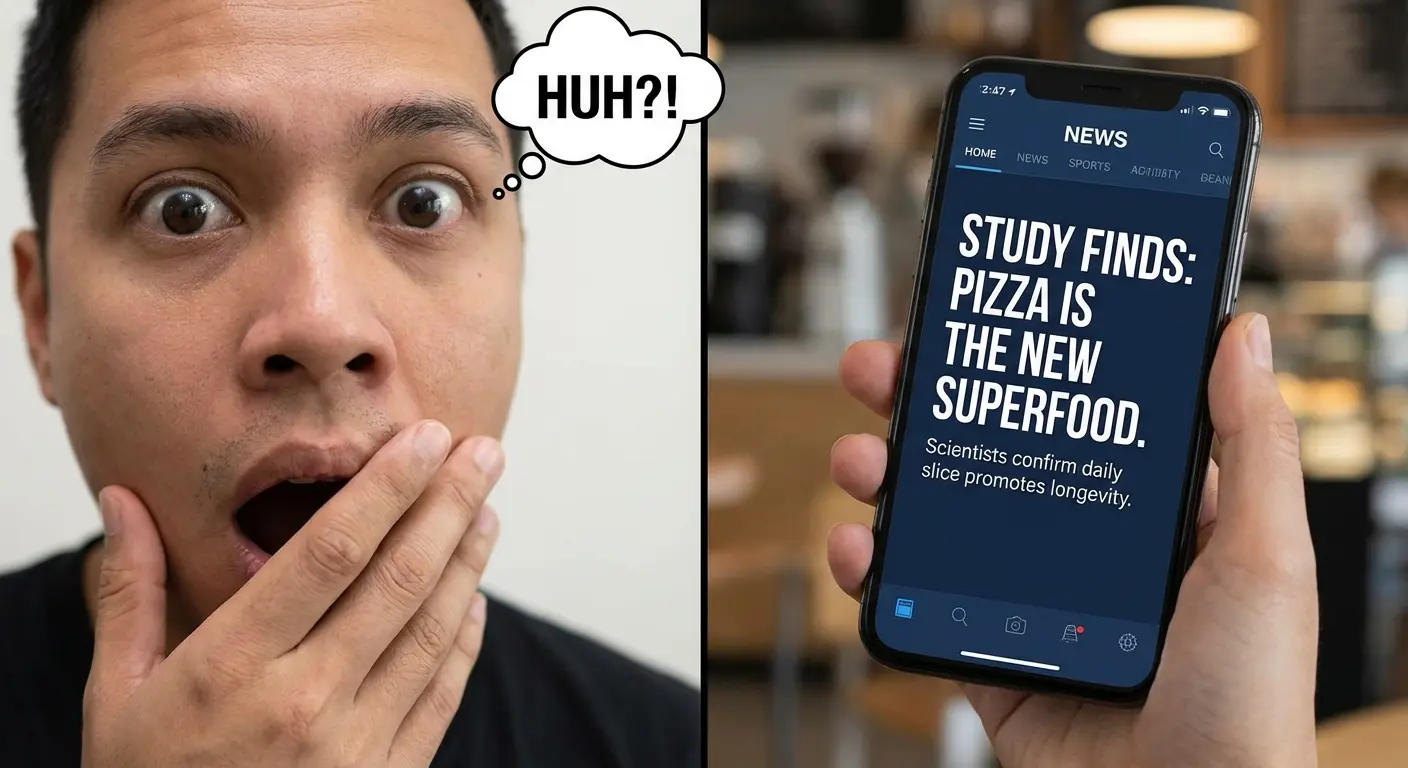
Video thumbnails have evolved beyond static title cards into psychological triggers designed to exploit pattern recognition.
The viral trend thumbnails use unexpected visual contrasts, incomplete information, or images that create cognitive dissonance with the title. A serious topic paired with a seemingly unrelated image forces the brain to reconcile the mismatch, which requires clicking through.
The distribution impact is measurable in click-through rates, which directly influence how aggressively platforms distribute your content. Higher CTR signals quality to the algorithm, creating a virtuous cycle of increased reach.
You need to A/B test thumbnail variations against each other and analyze which visual patterns perform best with your specific audience. Faces with direct eye contact consistently outperform landscapes. Images with one element circled or highlighted outperform clean compositions. Thumbnails that look slightly “wrong” outperform polished graphics.
The psychology of visual disruption extends beyond social platforms. Interior designers are now endorsing the viral mirror wall trend (AOL) precisely because mirrors create unexpected visual depth and cognitive interest. The same principle driving scroll-stop thumbnails. When something visually disrupts our expectations, whether it’s a thumbnail or a wall of antique mirrors, our brains demand resolution through engagement.
21. Series Tagging Builds Content IP
Creators are branding recurring content formats with consistent series names and hashtags, transforming individual posts into episodic intellectual property.
“Marketing Myths Monday” or “Agency Audit Fridays” become anticipated content franchises rather than one-off posts. Each new episode promotes the entire back catalog. New viewers who discover episode seven will often scroll back to watch previous installments, dramatically increasing your content’s effective lifespan.
For brands, this approach creates content scaffolding that simplifies production planning while building audience expectations. You’re not starting from zero with every post. You’re adding to an established property.
Choose series concepts with enough depth to sustain multiple episodes but focused enough to maintain consistent audience interest.

22. Voice Memos as Thought Leadership
Honestly, this one’s hit or miss. If you’re not naturally articulate in unscripted audio, skip it. Bad voice memos are worse than no voice memos.
That said, the polished podcast is being disrupted by raw voice memo content that prioritizes immediacy over production quality. Experts are recording unedited reactions to industry news, sharing real-time strategic thinking, or explaining complex concepts in single-take audio clips.
The viral element is authenticity. These sound like private voice memos you’re being allowed to overhear rather than produced content.
The benefit comes from reduced production friction. You can publish thought leadership within minutes of having the thought, which matters when responding to breaking industry developments. For brands, this format positions your team as dynamic thinkers rather than scripted spokespeople. The rough edges become proof of genuine expertise rather than memorized talking points.
Platform-wise, this works across Twitter Spaces, Instagram voice posts, LinkedIn audio, and even TikTok with static visuals.
23. Platform-Native Subtitles Signal You Understand the Culture
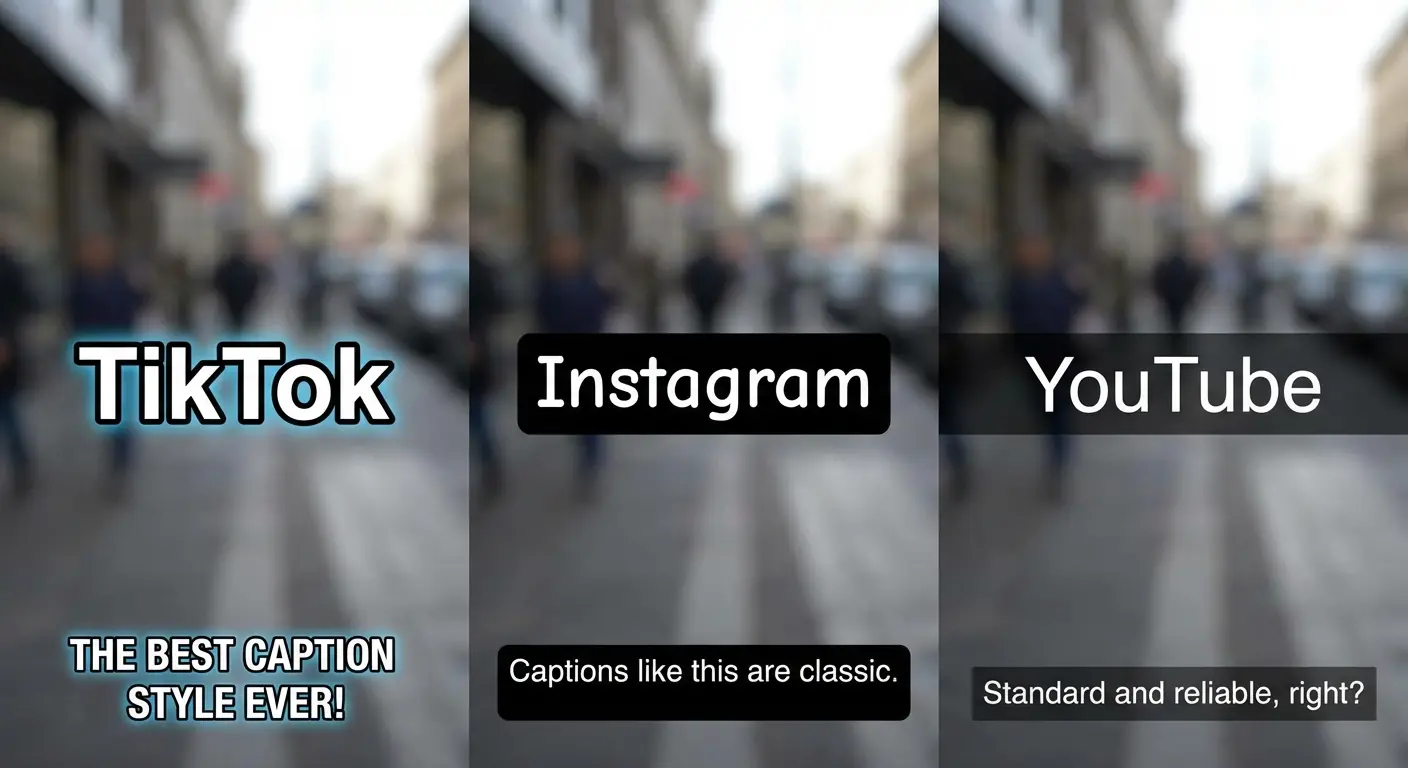
Auto-generated captions are standard now, but viral content uses platform-specific subtitle styling as a creative element rather than an accessibility afterthought.
TikTok’s distinctive caption style has become a visual signature that signals “this is viral content” even when viewed on other platforms. Brands are intentionally using these recognizable subtitle formats to borrow credibility from the platforms where they originated.
Content that looks native to a platform receives preferential algorithmic treatment over content that appears imported or generic. Using Instagram’s caption styling on Instagram, LinkedIn’s text overlay format on LinkedIn, and TikTok’s auto-caption aesthetic on TikTok signals to both algorithms and audiences that you understand each platform’s culture.
You need to create separate caption styles for each distribution channel rather than using one universal format.
24. The Strategic Repost
Some people will call this lazy. They’re not wrong. Do it anyway if the content still performs.
The final distribution trend inverts conventional wisdom about original content. Strategic reposting of your highest-performing content at calculated intervals extends its lifespan and reaches audiences who missed the original.
Your current followers have only seen a fraction of your content library, and new followers have seen none of it. Reposting isn’t lazy. It’s efficient distribution of proven assets.
The key is timing and light reformatting. A post that performed well six months ago can be updated with current data, a new hook, or a fresh visual treatment and reintroduced as essentially new content.
For brands managing content calendars, this means your best posts should be treated as evergreen assets that get periodic redistribution rather than one-time publications. The ROI on content creation compounds when you’re extracting value from the same piece across multiple distribution cycles.
Turning Viral Mechanics Into Marketing Systems
You’ve just absorbed 24 trend breakdowns, but here’s the question that matters: which ones move your specific metrics?
The answer requires testing infrastructure most brands don’t have. You need the ability to rapidly deploy trend variations, measure performance across multiple attribution models, and scale what works while killing what doesn’t. That’s not a content problem. It’s a systems problem.
We built The Marketing Agency around this exact challenge. Our clients come to us when they’re tired of agencies that chase viral trends without connecting them to revenue. We use AI-driven analytics to test trend applications at scale, then apply human strategy to the patterns that emerge. You get the speed of trend adoption without the risk of budget waste on viral experiments that don’t convert.
Look, if you read this whole thing and you’re thinking “cool, but which of these should I actually do?” that’s the conversation we have with clients every week. Book 20 minutes and we’ll tell you which 3 trends will actually move your numbers. No pitch deck, just pattern recognition from doing this 200+ times.
Final Thoughts
Here’s what nobody wants to hear: you probably don’t need 24 viral trends. You need 3 that you execute well.
Most brands would 10x their results by doing less, not more.
Viral trends aren’t magic, and they’re not luck. They’re repeatable psychological and algorithmic patterns that you can systematize once you understand the mechanics beneath the entertainment. The brands winning with viral content aren’t the ones with the biggest production budgets or the most creative teams. They’re the ones who recognize that virality is a distribution solution, not a creative flex.
They reverse-engineer what’s working, adapt it to their audience’s existing behavior patterns, and measure everything.
For brands seeking comprehensive support in implementing these strategies, understanding how to evaluate a digital marketing agency ensures you partner with teams who can execute.
Most importantly, they understand that viral content without conversion infrastructure is just burning money for likes. The viral trends that matter are the ones that move people from scrolling to clicking to buying. Everything else is just noise with good engagement metrics.
Stop reading. Pick three trends from this list. Make one piece of content for each. Post them this week. Track what happens.
That’s it.
Analysis paralysis doesn’t get you ROI. Testing does. The gap between trending and converting isn’t creativity. It’s discipline. And maybe a better analytics stack. Mostly discipline.