



Table of Contents
-
Why We’re Still Treating Regional Tech Events Like Copycat Conferences
-
The Invisible Infrastructure That Makes or Breaks a Summit
-
What Attendees Actually Want (and Why Organizers Keep Missing It)
-
The ROI Problem Nobody Wants to Talk About
-
How Web Summit Qatar Could Rewrite the Playbook
-
Final Thoughts
TL;DR
-
Most regional tech conferences are expensive cosplay of Silicon Valley events
-
The real value isn’t in keynotes. It’s in follow-up systems nobody builds
-
We measure conference success by everything except what actually matters: deals closed
Why We’re Still Treating Regional Tech Events Like Copycat Conferences
Most regional tech conferences are glorified imports. Pretending otherwise wastes time.
Web Summit Qatar is a perfect example. The brand is bringing a proven European format to a market with fundamentally different business dynamics. Attendance has doubled over the past two years, reflecting rising interest from entrepreneurs, investors, and policymakers seeking partnerships and opportunities in the region. Growth looks impressive on paper.
But rapid expansion doesn’t automatically translate to meaningful adaptation.
The problem isn’t content quality or speaker lineup. It’s assuming what works in Lisbon works in Doha.
The tech conference industry defaults to template-based thinking because templates are safe, scalable, and photograph well for social media coverage. But something gets lost when you drop a Western event format into the Gulf region without adaptation. We’re creating surface-level networking instead of business development that actually goes somewhere.
The Template Problem
You know the playbook. Big keynote. Pitch competition. $9 coffee. Panel where five people spend 45 minutes agreeing with each other.
This format dominates because it works (in Europe). Web Summit built its reputation on this model, and there’s no denying the brand’s global success. But here’s what most coverage won’t tell you: the format that made Web Summit a household name in Europe doesn’t account for how business gets done in Qatar or the broader MENA region.
If you’re going to Web Summit Qatar 2025, this matters.
The lessons learned here can inform strategies for other regional expansions, including Web Summit Vancouver, where similar cultural considerations apply in different contexts.
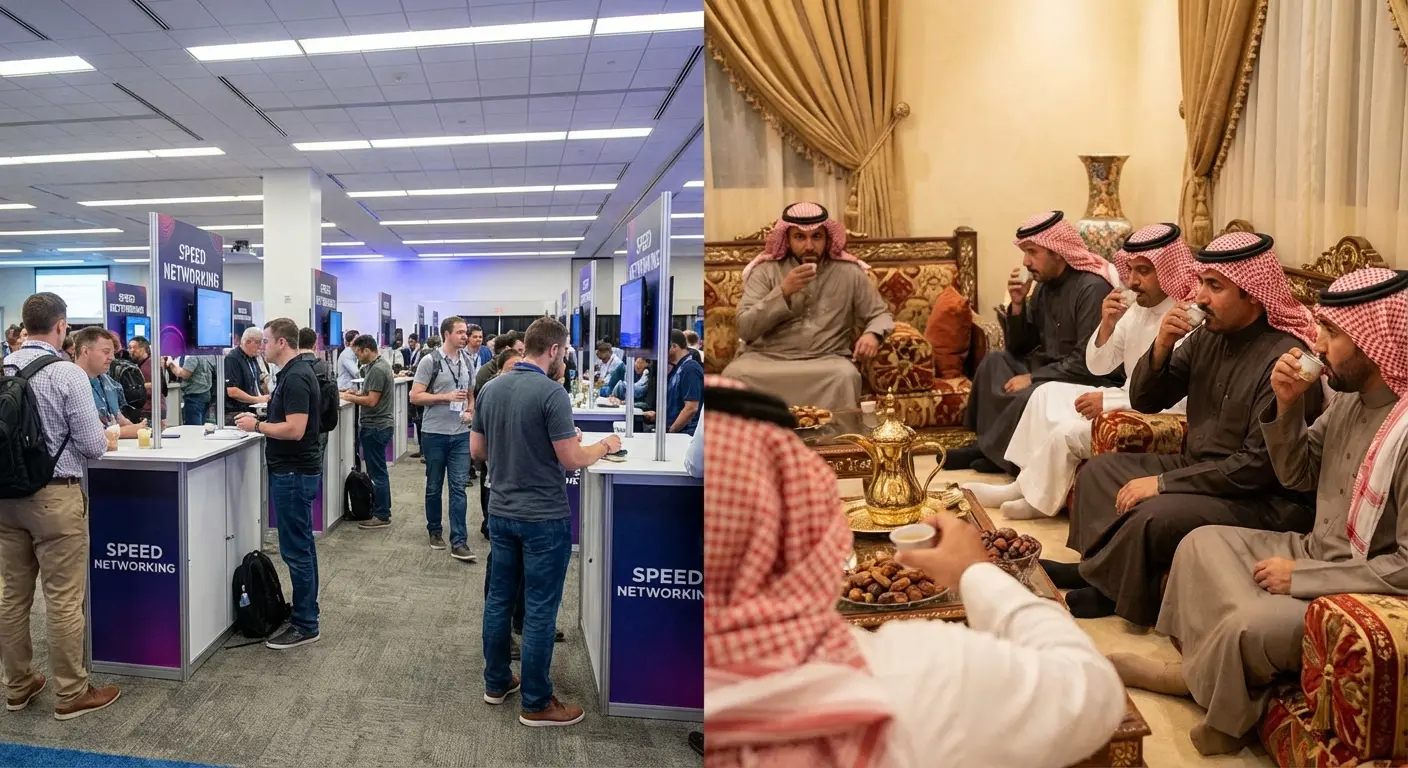
Gulf business culture prioritizes relationship depth over relationship volume. The Western conference model optimizes for maximum connections in minimum time. You collect business cards (or LinkedIn connections, same difference), attend back-to-back sessions, and leave with a CRM full of contacts you’ll probably never follow up with meaningfully.
Middle Eastern business protocols prioritize trust-building through repeated interactions and proper introductions. Cold networking, the bread and butter of Western tech conferences, often falls flat because it skips the relationship foundation Gulf business culture requires.
|
Western Conference Model |
Gulf Business Culture Requirements |
|---|---|
|
Maximum connections in minimum time |
Relationship depth over relationship volume |
|
Cold networking and direct introductions |
Trust-building through intermediaries and proper introductions |
|
Immediate value extraction |
Long-term relationship cultivation |
|
Transactional meeting structure |
Relationship-first business development |
|
Fast decision-making emphasis |
Deliberate evaluation through repeated interactions |
What Gets Lost in Translation
A German SaaS founder shows up with 15 back-to-back meetings scheduled. Pitch, exchange cards, next meeting. Maximum efficiency.
Meanwhile, a local Qatari investor they briefly met expected a follow-up coffee meeting the next day to continue the conversation with a mutual connection present. Standard protocol they assumed was understood. The founder, already committed to another packed schedule, misses the signal entirely.
No deal happens. Not because the product wasn’t relevant, but because the relationship development process was incompatible with the founder’s conference strategy.
This isn’t about one approach being better than another. It’s about recognizing that a conference format designed for Silicon Valley’s “move fast and break things” mentality needs adjustment for a market where business relationships develop through different channels and timelines.

The question isn’t whether the event will attract attendees or feature impressive speakers. It will. The question is whether the event structure will facilitate the kind of relationship development that leads to partnerships, investments, and business outcomes in this specific market. These considerations become even more critical as the Web Summit brand expands globally, with Vancouver facing similar localization challenges in the North American market.
The Invisible Infrastructure That Makes or Breaks a Summit
Nobody talks about matchmaking algorithms in conference marketing. But that’s what actually determines if you waste three days or close a deal.
We’re talking about matchmaking algorithms that connect investors with relevant startups, follow-up systems that prevent connections from evaporating after the event, and pre-conference vetting that ensures people aren’t wasting time with irrelevant meetings.
The 2026 edition attracted a record 30,274 participants from 127 countries, an 18% increase compared to last year, alongside close to 1,000 investors, and 1,637 startups. With numbers approaching these levels, the matchmaking infrastructure becomes even more critical.
And more complex.
Most conference coverage focuses on content and speakers. The real differentiator between a good event and a great one lives in these systems. Web Summit Qatar needs to build (or adapt from its European counterpart) infrastructure serving a market where business relationships require different cultivation approaches.
Technology can support rather than replace the relationship-building protocols Gulf business culture values. That’s the balance worth getting right.
Matchmaking That Actually Matches
Web Summit’s app-based matchmaking system works well for quick connections. You input your interests, the algorithm suggests relevant people, you schedule a 20-minute coffee chat. Efficient, scalable, data-driven.
But efficiency isn’t always effectiveness.
The Gulf business community often relies on trusted intermediaries for introductions. A mutual connection vouching for both parties carries more weight than an algorithm suggesting you have overlapping interests.
Smart conference infrastructure would layer both approaches. Use technology to identify potential matches, but facilitate introductions through regional partners, industry associations, or advisory board members who can provide context and credibility. This hybrid model respects local business protocols while maintaining the scale advantages of digital matchmaking.
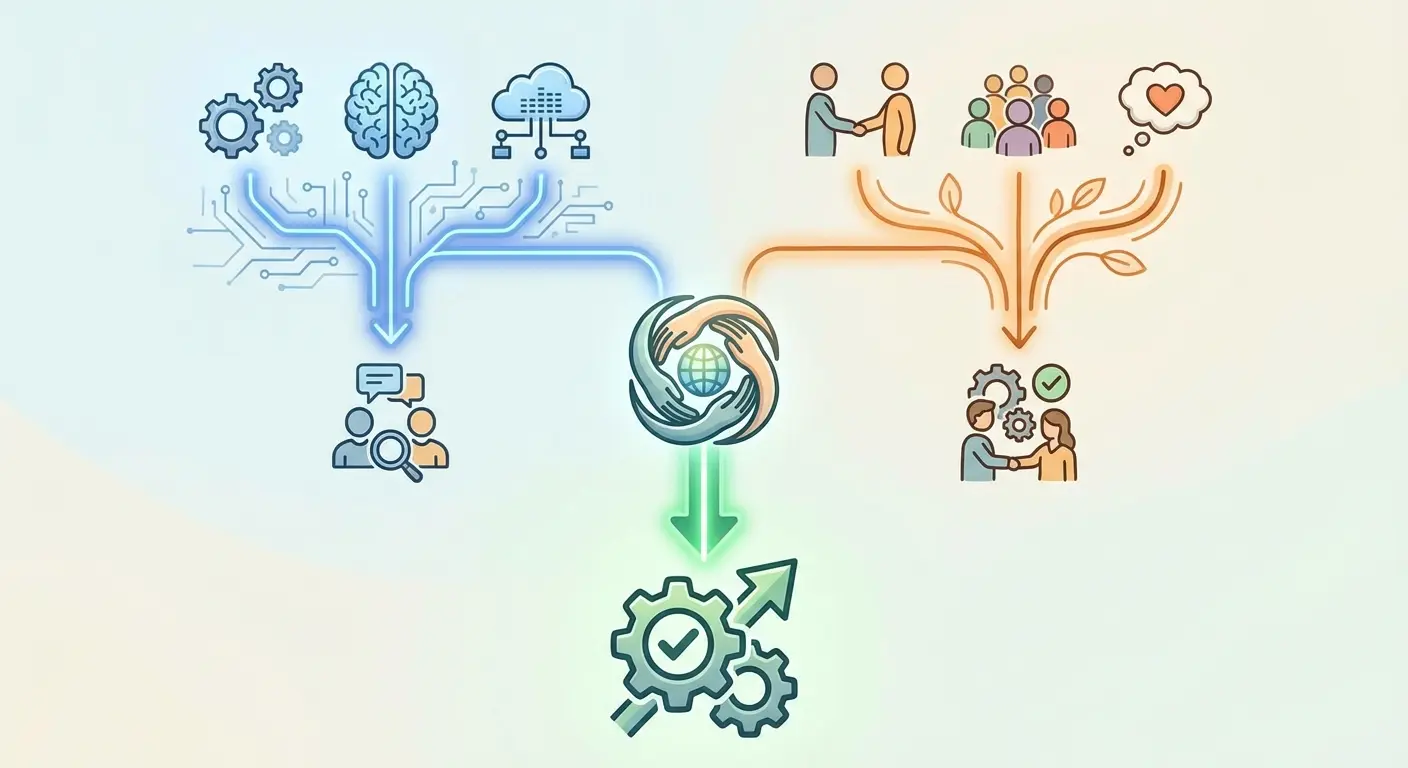
For companies looking to maximize their 2025 or 2026 experience, this means preparing both your digital profile and your network of regional connections before the event. The same principles apply whether you’re preparing for Qatar or planning your strategy for Vancouver, where understanding local business ecosystems determines networking success.
The Follow-Up Gap
Here’s where most conferences completely drop the ball.
You meet interesting people, exchange contact information, maybe even have a promising conversation about potential collaboration. Then you both return to your regular workload, and that promising connection becomes another name in your contact list that you vaguely remember meeting somewhere.
The best conference infrastructure doesn’t end when the event does.
A fintech startup founder meets a potential corporate partner on day two. They have a substantive 30-minute conversation about integrating the startup’s payment solution into the corporate’s e-commerce platform. Both parties express genuine interest.
The founder sends a follow-up email three days after the conference, but it gets buried in the partner’s inbox during a product launch week. Two months later, the corporate partner is ready to explore the integration but can’t remember the startup’s name. Just that they met “someone at that conference in Doha.”
Without structured follow-up infrastructure from the conference organizers (searchable meeting history, automated check-in prompts, or facilitated re-introductions), a promising partnership dies in the follow-up gap.
Web Summit Qatar could differentiate itself by building post-event relationship infrastructure specifically designed for how Gulf business relationships develop. That might mean quarterly virtual meetups for attendees, curated small-group dinners in the months following the main event, or facilitated introductions to local ecosystem players who can help international attendees understand market nuances. These relationship-building systems could then be adapted for Vancouver and other regional editions, creating a consistent yet culturally responsive approach across the Web Summit ecosystem.

Pre-Event Vetting Nobody Wants to Do
Quality control is unglamorous work. It’s easier to maximize ticket sales than to carefully curate who attends.
But attendee quality determines event value more than speaker lineup ever will.
You know what kills conference ROI? Spending 30 minutes in a meeting with someone who has zero idea what your company actually does or what you’re looking for. It happens constantly because conference matchmaking prioritizes volume over relevance.
Effective pre-event vetting means asking detailed questions during registration, manually reviewing applications for key attendee categories (investors, major corporates, high-potential startups), and being willing to turn away people who don’t fit the event’s focus.
This approach doesn’t scale as easily. But it dramatically improves outcomes for everyone who does attend.
What Attendees Actually Want (and The ROI Problem Nobody Wants to Talk About)
Let’s talk about what people actually want versus what conferences give them.
There’s a persistent disconnect between how conferences measure success (attendance numbers, social media impressions, session ratings) and how attendees measure success (deals closed, partnerships formed, problems solved). This gap exists and persists across the conference industry for a reason: measuring vanity metrics is easier than tracking business outcomes.
Specific pain points keep surfacing. The difficulty of identifying which sessions are worth attending. The challenge of balancing scheduled meetings with spontaneous networking. The frustration of investing significant time and money without clear business outcomes.
Web Summit Qatar 2025 could address these pain points through format innovations prioritizing attendee outcomes over impressive-looking event metrics.
But that requires acknowledging the problems first.
Information Overload vs. Actionable Insight
Conferences love to pack schedules with sessions. More content equals more value, right?
Not quite.
Most attendees leave with notebooks full of ideas they’ll never implement and slides they’ll never review. What people want is specific, actionable guidance on problems they’re currently facing.
Not “the future of AI in marketing” (too broad, too theoretical), but “how to integrate AI tools into your existing marketing workflow without overwhelming your team” (specific, practical, immediately applicable).
Web Summit Qatar has an opportunity to pioneer a different content approach. Instead of 40-minute sessions covering broad topics, what about 90-minute working sessions where attendees bring business challenges and leave with implementation roadmaps? Or small-group problem-solving sessions where people with similar challenges collaborate on solutions?
For companies entering new markets, this practical approach mirrors what we’ve seen work in successful go-to-market strategies where tactical execution trumps theoretical frameworks.
|
What Organizers Optimize For |
What Attendees Need |
|---|---|
|
Number of sessions offered |
Depth and applicability of content |
|
Speaker name recognition |
Speaker’s ability to provide actionable frameworks |
|
Broad topic coverage |
Specific solutions to current challenges |
|
Attendance per session |
Implementation rate post-conference |
|
Social media moments |
Business outcomes 6-12 months later |
|
Impressive stage production |
Intimate problem-solving environments |
The Spontaneity vs. Structure Dilemma
You’ve experienced this tension. (Maybe just once, but probably more.)
You’ve scheduled back-to-back meetings to maximize your conference time, but then you overhear a fascinating conversation at lunch that you can’t join because you’re rushing to your next appointment. Or you’ve left your schedule open for spontaneous networking, but then spent half the day wandering aimlessly while everyone else is in pre-scheduled meetings.
Neither approach is wrong, but most conferences force you to choose one or the other.
Better event design would accommodate both. That might mean protecting certain time blocks specifically for unstructured networking (and enforcing them by not scheduling competing sessions), or creating designated spaces for different networking styles. Quiet areas for deep conversations. High-energy spaces for quick introductions. Topic-specific lounges for industry discussions.

Conference organizers are beginning to recognize the value of structured spontaneity. FX2 Group held over 50 meetings at Web Summit Qatar, demonstrating how strategic pre-planning combined with on-site flexibility can maximize relationship-building opportunities.
Their approach (identifying key targets before the event while remaining open to serendipitous connections) offers a model for attendees trying to balance structure with spontaneity. This strategic flexibility becomes even more valuable as attendees navigate multiple editions, where different market dynamics require adaptable networking approaches.
Why Nobody Can Agree on What Success Looks Like
Ask ten people how to measure conference ROI, and you’ll get ten different answers.
Number of meetings scheduled? Quality of conversations? Deals closed within six months? Brand awareness increase? Learning and professional development?
The lack of consensus exists because different stakeholders have different goals. A startup founder might measure success by securing investor meetings. An investor might measure success by seeing high-quality deal flow. A corporate innovation team might measure success by understanding emerging technologies relevant to their industry.
None of these metrics are wrong. But the variability makes it nearly impossible to objectively evaluate whether conference attendance delivers value. And that ambiguity lets both organizers and attendees avoid hard questions about whether the time and money invested pay off.
The Attribution Nightmare
Here’s a scenario you’ll recognize
You meet someone at a conference. You have a good conversation but no immediate business reason to work together. You connect on LinkedIn and occasionally engage with each other’s content. Six months later, they refer a client to you.
Does that count as conference ROI?
Business relationships rarely develop on conference timelines, similar to the long-term perspective required in B2B marketing automation strategies where relationship nurturing spans months or years. The person you meet on day two might become a crucial partner three years later. How do you attribute that value back to the original event?
This attribution challenge doesn’t mean conferences lack value. Conferences have value. We’re just measuring it wrong.
Maybe stop measuring conference ROI like a direct marketing campaign. You’re not trying to close deals at the event (though it’s great when it happens). You’re building a network of relationships that might pay off in unpredictable ways over time.

The Pressure to Justify the Trip
Your company sends you to Web Summit Qatar. You spend three days attending sessions, taking meetings, and networking. When you return, your manager asks what you got out of it.
What do you say?
This pressure to justify conference attendance with immediate, tangible results often leads to exaggerated claims or vague statements about “valuable connections” and “important insights.” It’s not dishonest exactly, but it’s not rigorous either.
Organizations need better frameworks for evaluating conference value that account for long-term relationship development while still maintaining some accountability.
That might mean setting specific pre-event goals (identify three potential partners in X space, understand regulatory changes affecting Y market, meet with five potential hires for Z role) and evaluating conference success based on progress toward those goals rather than generic networking metrics.
How Web Summit Qatar Could Rewrite the Playbook
Okay, what could actually work?
The 2026 summit saw tangible business outcomes, with more than 77 MoUs signed between Qatari entities and major global technology companies, supporting innovation and entrepreneurship across the country. This demonstrates that when infrastructure supports business development, conferences can deliver measurable results.
Specific format innovations could differentiate the event by addressing the problems we’ve identified throughout this piece. We’re talking about concrete changes rather than vague aspirations.
How could the event blend global tech conference best practices with Gulf business culture protocols? How could it create infrastructure supporting long-term relationship development rather than just facilitating quick connections? How could it pioneer new approaches to measuring and delivering attendee value?
This isn’t about what Web Summit Qatar 2026 will do (we don’t have inside information), but about what it could do if it took seriously the challenge of creating a regional tech conference serving its specific market rather than simply importing a successful Western format.
Hybrid Formats That Respect Local Context
The most interesting opportunity is creating a format honoring both global tech culture and regional business protocols.
That doesn’t mean compromising either. It means thoughtful integration.
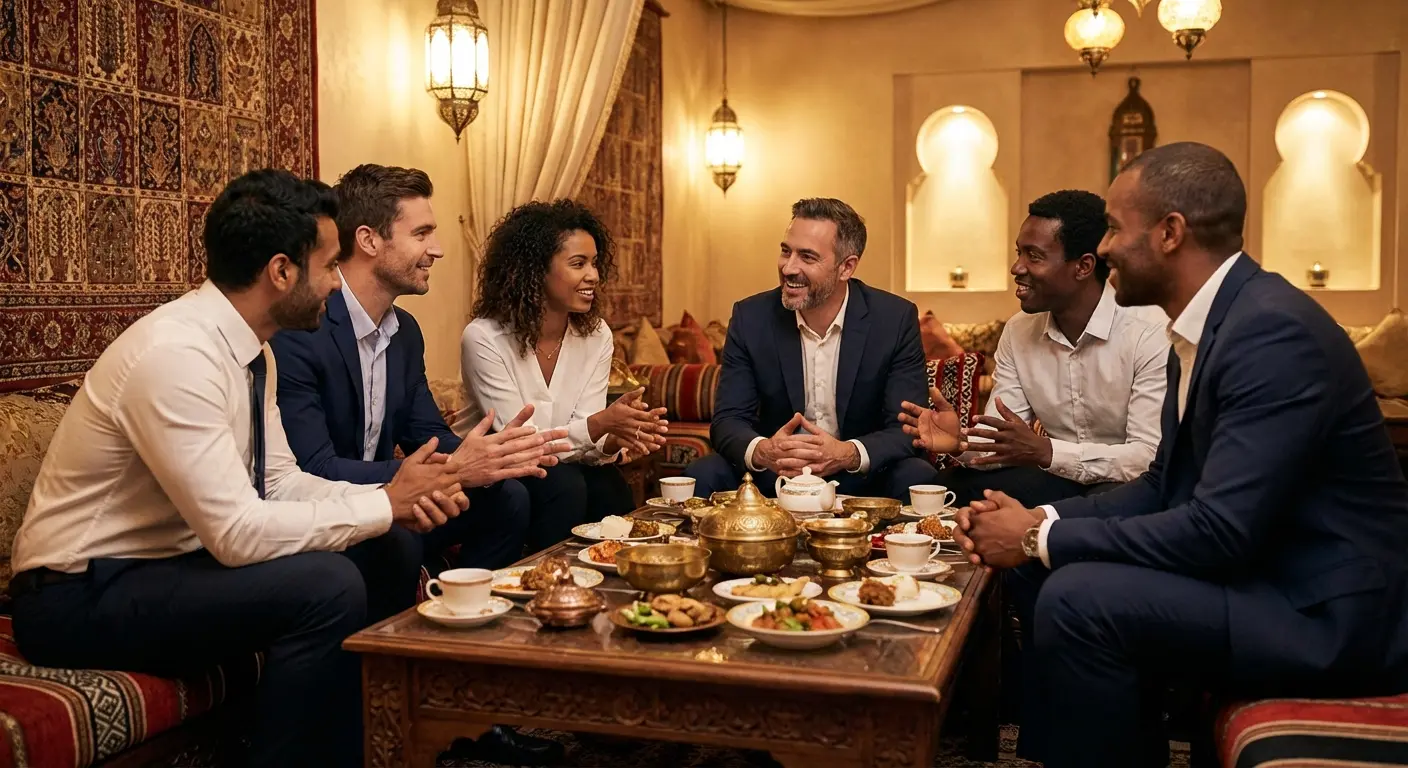
What might this look like in practice? Structured networking sessions that facilitate proper introductions through regional partners or advisory board members. Small-group dinners that allow for the deeper relationship building Gulf business culture values. Pre-event briefings for international attendees on local business protocols so they can engage effectively.
You could also flip the typical conference schedule. Instead of keynotes in large halls followed by networking breaks, what about starting with small-group relationship building and using larger sessions for topics where scale makes sense (policy updates, major product announcements, industry trend presentations)?
The conference is already experimenting with media integration. iHeartMedia was named the official podcast partner for the 2026 Web Summit Qatar, delivering extensive on-site programming including educational sessions, live podcast recordings, and Centre Stage content. This partnership included the launch of iHeartArabi, a new slate of Arabic-language podcasts, demonstrating how global platforms can adapt to regional language and content preferences while maintaining international appeal.
Here’s an idea: relationship incubator track. Twenty carefully matched pairs of attendees (investors and founders, corporates and startups, potential co-founders) commit to a structured relationship-building process over the three-day event.
Day one: facilitated introduction with a trusted intermediary providing context about both parties. Day two: working session where they explore specific collaboration opportunities with expert guidance. Day three: follow-up meeting to establish concrete next steps with accountability built in.
This approach sacrifices the volume of connections for depth, but creates dramatically higher conversion rates from connection to business outcome.
Post-Event Infrastructure That Matters
Most conferences treat the event as the product.
Web Summit Qatar could treat the event as the beginning of an ongoing relationship platform.
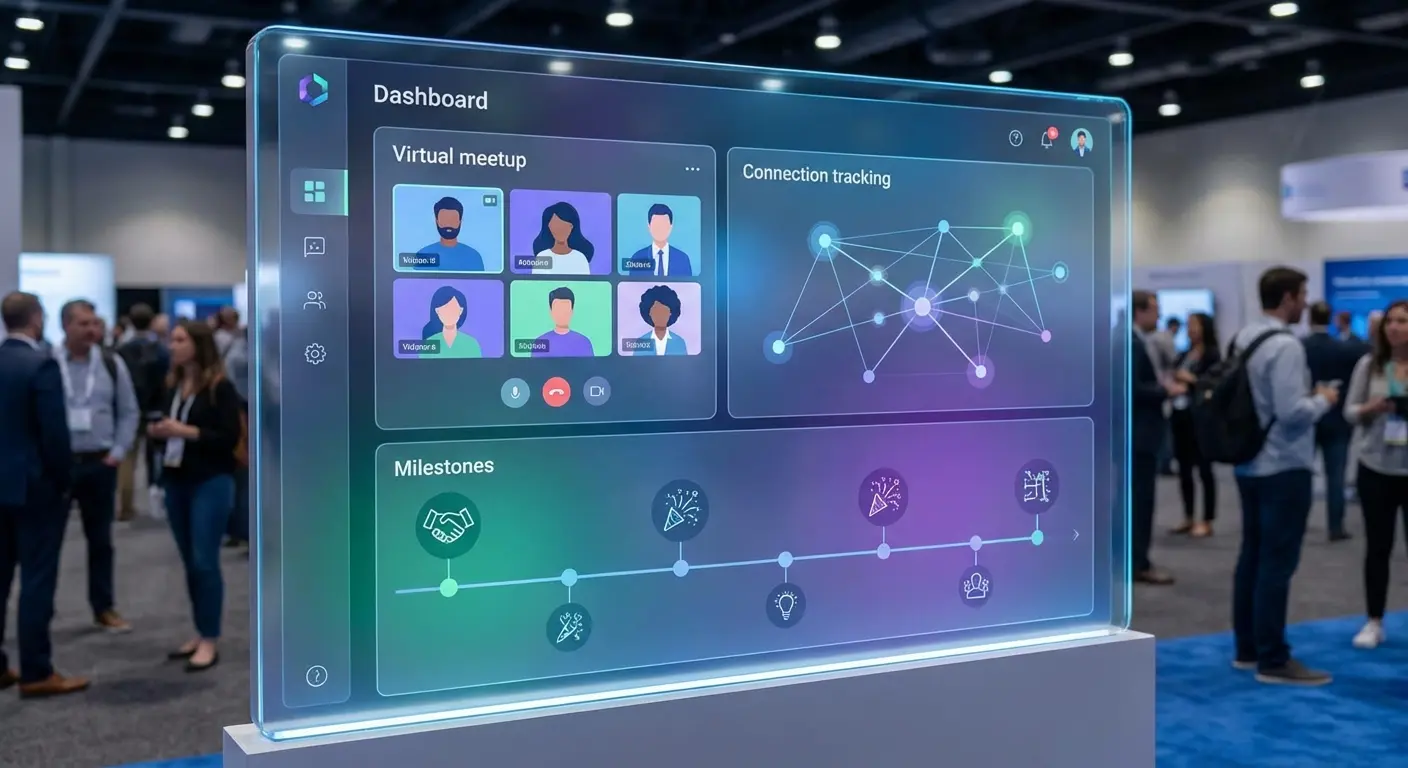
That might mean quarterly virtual meetups organized by industry vertical or business challenge. Curated introductions in the months following the event when you identify potential synergies between attendees. Regional chapter meetings in major cities where attendees can continue building relationships started at the main event.
The expansion to Vancouver demonstrates the brand’s global reach, and a connected ecosystem across these regional hubs could multiply relationship-building opportunities beyond any single event. Attendees at one location could be connected with relevant contacts from another, creating a truly global network that transcends individual conference locations.
This approach requires more resources than running a three-day event and calling it done. But it would fundamentally change the value proposition. You’re not buying a conference ticket. You’re buying access to an ongoing community and relationship development platform that happens to include a major annual gathering.
Transparent Outcome Tracking
What if Web Summit Qatar pioneered radical transparency around attendee outcomes?
Regular surveys tracking which connections turned into partnerships, which meetings led to funding, which insights attendees implemented.
Publishing this data (in aggregate, protecting individual privacy) would help potential attendees make informed decisions about whether the event is worth their investment. It would also create accountability for the organizers to continuously improve the elements driving real business outcomes rather than just impressive-looking event metrics.
You might worry that honest outcome tracking would reveal disappointing results. Maybe initially. But it would also create a feedback loop driving genuine improvement.
When you measure what matters, you start optimizing for what matters.
Skills Development Beyond Information Transfer
Conferences excel at information transfer. You can learn about new technologies, hear about industry trends, and understand market dynamics.
What conferences typically don’t offer is skill development.
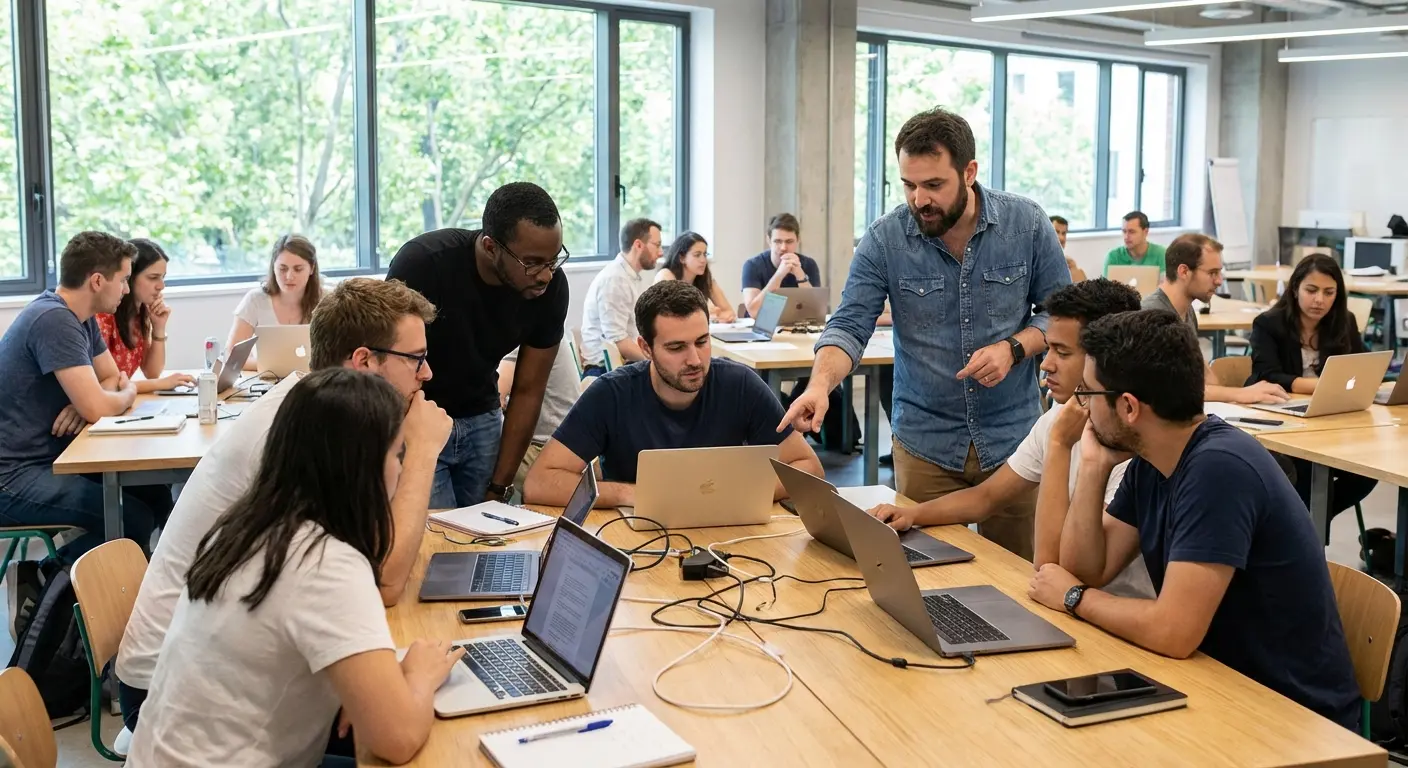
Web Summit Qatar 2025 could differentiate by including hands-on workshops where you practice new skills rather than just hearing about them. Want to understand AI implementation? Don’t just attend a session about it. Bring your laptop and spend two hours working through a practical implementation with guidance from experts.
This approach doesn’t scale as easily as lecture-style sessions, but it delivers dramatically more value for attendees who participate. As the brand expands to Vancouver and other markets, these skill-building formats could become the signature differentiator setting the entire Web Summit ecosystem apart from traditional tech conferences. The lessons learned from implementing skills-based programming at one location could inform how other editions structure their educational content, creating consistency while respecting regional learning preferences.
Final Thoughts
I’ll know Web Summit Qatar figured it out when I see fewer people frantically collecting business cards and more people having second coffee meetings with the same person. When the post-event LinkedIn messages say “following up on our conversation about [specific thing]” instead of “great to meet you!”
If you’re planning to attend (or evaluating whether it’s worth the investment), the framework we’ve explored here gives you a different lens for assessment.
Don’t just look at the speaker lineup or session topics. Ask about the matchmaking infrastructure. Understand what post-event support exists. Set specific, measurable goals before you go so you can honestly evaluate whether the event delivered value.
The challenges we’ve discussed throughout this piece aren’t unique to Web Summit Qatar. They’re industry-wide problems that most conferences struggle with. But regional events in emerging tech ecosystems have an opportunity to pioneer new approaches precisely because they can’t just copy-paste what works in Silicon Valley or Europe.
For companies trying to build presence in the Gulf tech ecosystem, these events matter. The question is whether they matter enough to justify the investment of time, money, and attention. That calculation depends on whether organizers build infrastructure supporting real business outcomes rather than just facilitating surface-level networking. Similar considerations apply when evaluating international market entry strategies where cultural adaptation determines success.
We work with companies navigating this exact problem. We’ve seen countless businesses attend conferences hoping to build regional presence, only to struggle with follow-up and relationship development because they don’t understand local business protocols or have infrastructure to nurture connections after the event ends.
The companies that succeed treat conferences as one touchpoint in a longer-term market strategy, not as standalone relationship-building exercises.
If you’re evaluating Web Summit Qatar or Vancouver as part of a broader market strategy, we can help you build the infrastructure turning conference connections into business relationships. That means pre-event research to identify the right people to meet, cultural briefings so you engage appropriately, and post-event follow-up systems that prevent promising conversations from disappearing into your CRM void. These principles apply whether you’re attending in 2025 or 2026, or planning your strategy for other global tech conferences where understanding local business ecosystems determines networking success. Book a consultation to discuss how we can support your market entry approach.
Web Summit Qatar represents something bigger than just another tech conference coming to the region. It’s a test case for whether the global conference industry can adapt to markets with different business cultures, or whether we’re stuck in a cycle of importing formats that don’t quite fit.
The opportunity here isn’t to choose between global tech conference best practices and regional business protocols. It’s to integrate both thoughtfully.
That requires organizers willing to invest in infrastructure beyond the three-day event itself. It requires attendees willing to engage with different networking approaches instead of defaulting to what feels familiar. And it requires honest evaluation of outcomes rather than hiding behind vanity metrics that make everyone feel good but don’t drive business results.
We don’t know yet whether the event will seize this opportunity or follow the safer path of replicating proven formats with minimal adaptation. But the questions we’ve explored here give you a framework for evaluation regardless of which direction the event takes. These insights gained from one location will shape how future editions evolve, and how other regional conferences approach their own market-specific challenges.